Your Personal Shooting Training Program – Finding the Right Balance Between Focus and Recovery

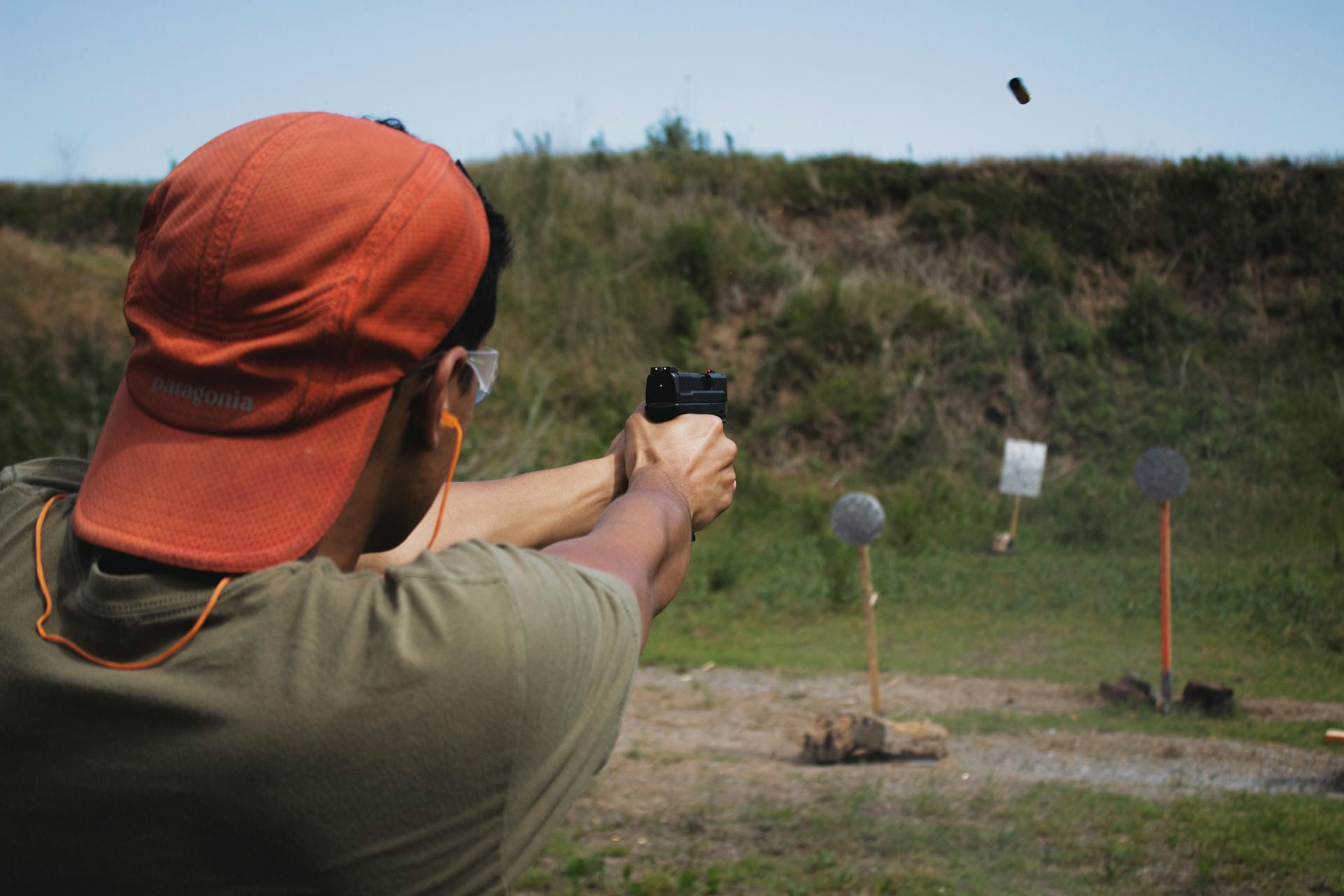
Train smarter, shoot sharper – balance practice intensity with essential recovery
Shooting
Shooting
7 min
Discover how to design a personal shooting training program that enhances precision, focus, and endurance. Learn to structure your sessions, strengthen your mental and physical stability, and find the right rhythm between focused practice and recovery for lasting progress.
Elijah Scott
Elijah
Scott

Your Personal Shooting Training Program – Finding the Right Balance Between Focus and Recovery

Train smarter, shoot sharper – balance practice intensity with essential recovery
Shooting
Shooting
7 min
Discover how to design a personal shooting training program that enhances precision, focus, and endurance. Learn to structure your sessions, strengthen your mental and physical stability, and find the right rhythm between focused practice and recovery for lasting progress.
Elijah Scott
Elijah
Scott

Becoming a skilled shooter is about much more than hitting the bullseye. It’s a combination of technical precision, mental discipline, and physical stability — but also the ability to rest, recover, and maintain focus over time. Whether you’re into rifle shooting, pistol marksmanship, or competitive clay shooting, a personalized training program can help you progress systematically while avoiding burnout. Here’s how to find the right balance between focused practice and proper recovery, so you can shoot better — and enjoy the process more.

Know Your Starting Point

Before you design your training plan, take a moment to assess where you are right now. Ask yourself:

  • How often do you train, and with what purpose?
  • What technical challenges do you face most often?
  • How do you respond mentally when the pressure is on?

Keeping a training journal can be a powerful tool. Record how each session feels, what results you achieve, and how your concentration fluctuates. Over time, this gives you a realistic picture of your strengths, weaknesses, and where to focus your efforts.

Build Your Training in Phases

A well-structured shooting program develops both your technical and mental skills through distinct phases.

  1. Foundation Training – Work on the basics: stance, breathing, trigger control, and sight alignment. These fundamentals are the backbone of accuracy.
  2. Technical Refinement – Once your foundation is solid, fine-tune details like grip, balance, and timing. Small adjustments can make a big difference.
  3. Competition Preparation – Simulate real-world conditions. Practice under time pressure or with distractions to build resilience and adaptability.
  4. Recovery and Reflection – After periods of intense training, give your body and mind time to rest. This is when learning truly takes hold.

By cycling through these phases, you’ll avoid stagnation and build consistent, sustainable progress.

Mental Training: Staying Focused Under Pressure

Shooting is as much a mental sport as a physical one. Even minor lapses in concentration can affect your performance. That’s why mental training should be a regular part of your program.

  • Visualization: Picture the perfect shot before you take it. Imagine your stance, breathing, and trigger pull in detail.
  • Breathing Control: Use your breath to calm your body. Deep, steady breathing lowers your heart rate and sharpens focus.
  • Pre-Shot Routine: Develop consistent rituals before each shot. Familiar routines help your mind settle and prepare for precision.

Many shooters find that mental training not only improves performance but also makes practice more rewarding and enjoyable.

Physical Conditioning and Stability

While shooting doesn’t demand extreme physical endurance, your body still plays a crucial role. A strong, stable body supports better control and reduces fatigue during long sessions.

Focus on:

  • Core Strength: Exercises like planks, crunches, and back extensions improve stability.
  • Balance and Coordination: Activities such as yoga, Pilates, or light strength training enhance body awareness.
  • Endurance: Walking, cycling, or swimming can boost energy and help you maintain focus for longer periods.

Remember, physical training should complement — not replace — your shooting practice.

Recovery: The Hidden Key to Progress

Many shooters underestimate the power of rest. Recovery isn’t wasted time — it’s when your body and mind process what you’ve learned. Without enough rest, concentration and precision suffer.

Schedule regular rest days and make sure you get adequate sleep. Light activities like stretching, meditation, or a quiet walk can help you unwind. If you notice fatigue, irritability, or declining performance, it’s a sign you may need a break.

Adjust and Evaluate Regularly

Your training plan should evolve as you do. Every few weeks, take time to evaluate your progress. Are you meeting your goals? Does your training still feel motivating? Are there areas where you’ve plateaued?

Small adjustments — changing intensity, varying drills, or adding new mental techniques — can reignite progress. The key is to keep your program flexible and aligned with your personal goals.

Enjoy the Process

Shooting isn’t just about results; it’s about focus, calm, and self-awareness. When you learn to balance effort with recovery, your training becomes not only more effective but also more meaningful. You’ll discover that precision comes not only from technique but from presence — being fully engaged in each moment.

A personal shooting training program is therefore not a fixed formula, but a journey toward deeper understanding — of both the sport and yourself as a shooter.

Ten mistakes you must avoid as a new athlete
As a newbie to sports, it can be easy to make mistakes, but you can avoid them. This e-book gives you insight into common pitfalls and how you can train smarter and injury-free.
Download the e-book
Fine-Tune Your Shot: Small Adjustments That Make a Big Difference in Accuracy
Master the art of precision with simple yet powerful shooting techniques
Shooting
Shooting
Shooting
Accuracy
Technique
Training
Precision
7 min
Discover how small adjustments in stance, grip, breathing, and focus can dramatically improve your shooting accuracy. Whether you’re a beginner or an experienced marksman, these practical tips will help you fine-tune your shot and hit your target with confidence.
Christopher Roberts
Christopher
Roberts
Your Personal Shooting Training Program – Finding the Right Balance Between Focus and Recovery
Train smarter, shoot sharper – balance practice intensity with essential recovery
Shooting
Shooting
Shooting Training
Marksmanship
Sports Performance
Mental Focus
Recovery
7 min
Discover how to design a personal shooting training program that enhances precision, focus, and endurance. Learn to structure your sessions, strengthen your mental and physical stability, and find the right rhythm between focused practice and recovery for lasting progress.
Elijah Scott
Elijah
Scott
Dry-Fire Training for Shooters: Practice Safe Gun Handling Without Firing a Shot
Improve your shooting skills and safety with focused, ammo-free practice
Shooting
Shooting
Shooting
Firearms Training
Gun Safety
Skill Development
Practice Techniques
4 min
Discover how dry-fire training can sharpen your accuracy, build muscle memory, and reinforce safe gun handling—all without firing a single shot. Learn the essential techniques, tools, and routines to make this effective training method part of your regular practice.
Giovanni King
Giovanni
King
Range Safety: How to Help Ensure a Safe and Well-Run Match
Safety is everyone’s responsibility—learn how to make every match secure and enjoyable
Shooting
Shooting
Range Safety
Shooting Sports
Competition
Firearms Training
Event Management
2 min
Whether you’re competing, volunteering, or watching from the sidelines, range safety is the foundation of a successful shooting event. Discover practical steps and good habits that help ensure every match runs smoothly, safely, and with respect for all participants.
Ivy Davis
Ivy
Davis
Biathlon Analysis: How to Find the Balance Between Speed and Accuracy
Discover how elite biathletes master the art of combining endurance and precision
Shooting
Shooting
Biathlon
Winter Sports
Performance
Training
Sports Science
2 min
In biathlon, every heartbeat counts. This article explores how athletes balance the explosive speed of cross-country skiing with the steady focus of marksmanship, revealing the strategies, technology, and mental control that define success in this demanding winter sport.
Lucas Young
Lucas
Young
Different yoga mats explained in a simple way
Find the yoga mat that best suits your practice and your needs
Wellbeing
Wellbeing
Yoga
Yoga mat
Training equipment
Well-being
Buying guide
3 min
Get a clear understanding of the difference between yoga mats, and find the type that suits your practice. The article guides you through materials, thicknesses and brands, so you can choose the mat that provides the best support and grip.
Christopher Roberts
Christopher
Roberts
Different types of shuttlecocks – nylon, feather and hybrid
Find the shuttlecock that best suits your game and level
Wellbeing
Wellbeing
Badminton
Equipment
Training
Sport
Buying guide
5 min
Shuttlecocks come in many varieties – from durable nylon shuttles to precise feather shuttles and versatile hybrid models. Get an overview of the differences, and find the type of shuttlecock that best suits your game and level.
Elijah Scott
Elijah
Scott
Table tennis bats – compare models from different manufacturers
Find the bat that suits your playing style and improves your game
Wellbeing
Wellbeing
Table tennis
Training equipment
Sport
Equipment guide
Men’s box
5 min
A good table tennis bat can significantly improve your game. Get an overview of different types, materials and manufacturers and find the bat that best suits your playing style – whether you play for fun or in competition.
Giovanni King
Giovanni
King
Gymnastic rings – see the many types and designs
Train strength, balance and flexibility with a simple and versatile tool
Wellbeing
Wellbeing
Gymnastic rings
Training
Home training
Strength training
Fitness equipment
2 min
Gymnastic rings provide effective strength and stability training with minimal space. In the article, you get an overview of materials, types and brands, so you can find the gymnastic rings that best suit your training and level.
Ivy Davis
Ivy
Davis