Range Safety: How to Help Ensure a Safe and Well-Run Match

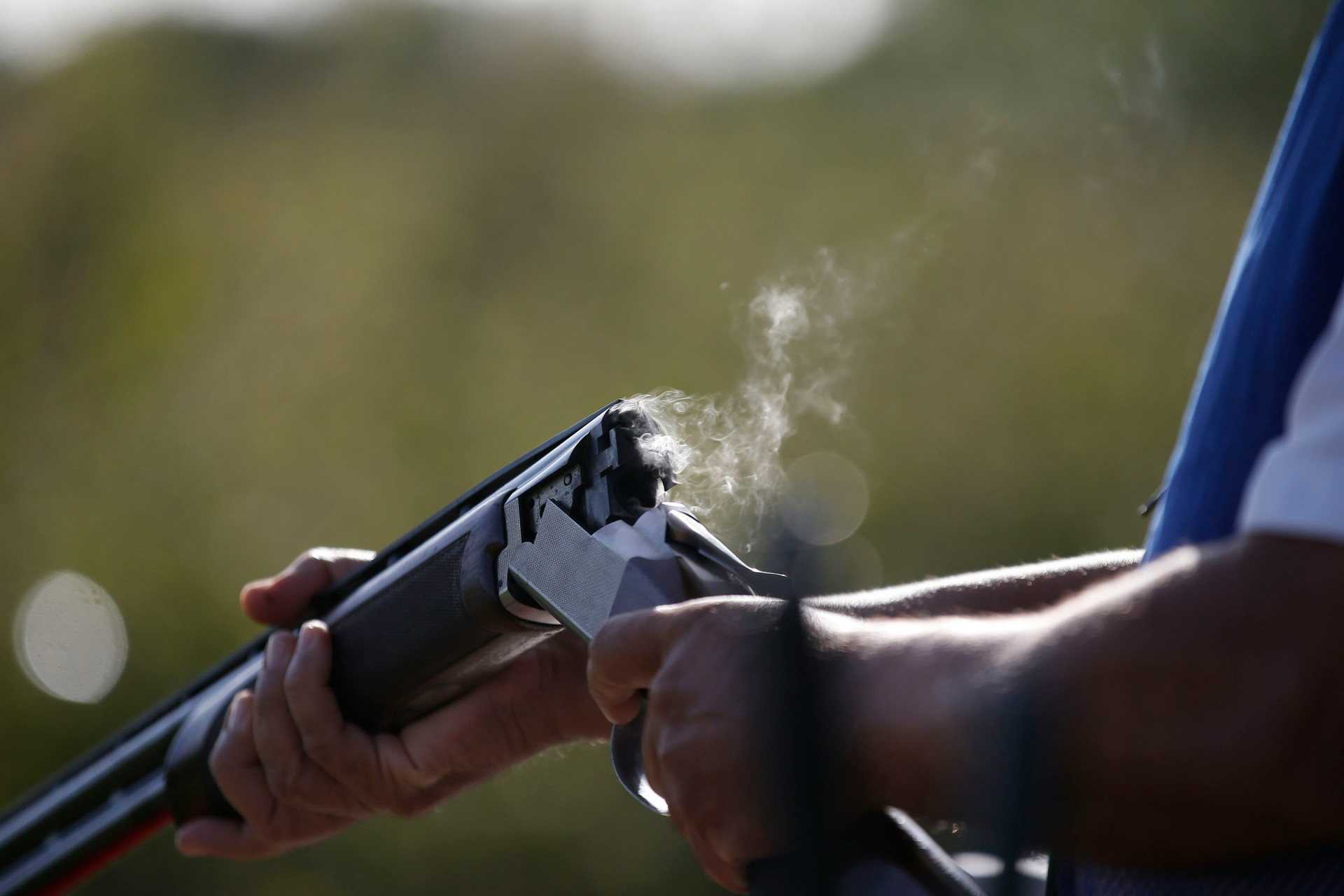
Safety is everyone’s responsibility—learn how to make every match secure and enjoyable
Shooting
Shooting
2 min
Whether you’re competing, volunteering, or watching from the sidelines, range safety is the foundation of a successful shooting event. Discover practical steps and good habits that help ensure every match runs smoothly, safely, and with respect for all participants.
Ivy Davis
Ivy
Davis

Range Safety: How to Help Ensure a Safe and Well-Run Match

Safety is everyone’s responsibility—learn how to make every match secure and enjoyable
Shooting
Shooting
2 min
Whether you’re competing, volunteering, or watching from the sidelines, range safety is the foundation of a successful shooting event. Discover practical steps and good habits that help ensure every match runs smoothly, safely, and with respect for all participants.
Ivy Davis
Ivy
Davis

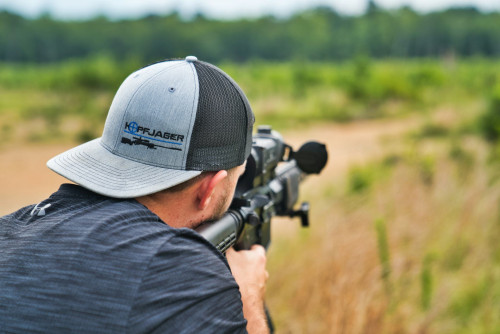
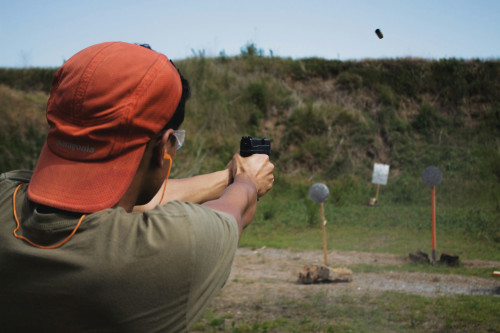
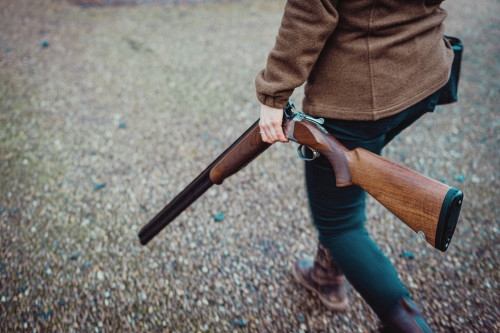
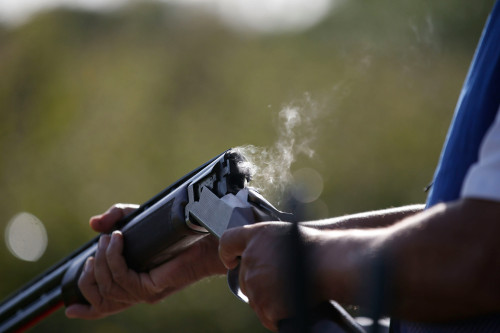
A shooting match is a day where skill, focus, and sportsmanship come together. But no matter whether you’re a competitor, volunteer, or spectator, one priority always stands above the rest: safety. A well-run range is built on clear rules, mutual respect, and a shared understanding that safety is everyone’s responsibility. Here’s a guide to how you can help make your next match safe, smooth, and enjoyable—from preparation at home to the final round of fire.

Know the Rules—and Follow Them Every Time

Safety starts with knowledge. Before you arrive at the range, make sure you understand the match’s safety rules and the range’s standard operating procedures. Most competitions in the U.S. follow guidelines from organizations such as the NRA, USPSA, or CMP, which include core principles like:

  • Always keep the gun pointed in a safe direction.
  • Keep your finger off the trigger until you’re ready to shoot.
  • Keep the firearm unloaded until you’re on the firing line and instructed to load.
  • Always wear eye and ear protection when on or near the firing line.

Even experienced shooters benefit from reviewing these fundamentals regularly. Doing so shows professionalism and respect for the sport.

Prepare Before You Leave Home

A safe match begins long before you step onto the range. Check your equipment carefully: firearm, ammunition, magazines, holster, and any other gear you’ll need. Make sure everything is in good working order and complies with match rules. Bring any required documentation, such as your match registration or firearm permits if applicable.

It’s also wise to review the match schedule and stage descriptions ahead of time. Knowing what to expect helps reduce stress and confusion once the competition begins. A calm, prepared shooter is a safe shooter.

On the Range: Stay Alert and Respectful

When you arrive, pay close attention to the range officers and match staff. They are responsible for maintaining safety and order, and their commands must be followed immediately and without debate. If you’re unsure about an instruction, ask politely for clarification—never assume.

Observe all range markings and barriers, and never cross the firing line unless the range is declared clear. Keep your firearm holstered or bagged until you’re in a designated safe area or under direct supervision. If you’re a spectator, stay behind safety lines and follow posted signs.

Respect for others is also part of safety. Avoid loud conversations or sudden movements when others are shooting. A calm, focused environment helps everyone perform better and stay safe.

Look Out for Each Other

Safety is a shared responsibility. If you see something that doesn’t look right—an unsafe muzzle direction, a loaded gun in a safe area, or a distracted shooter—speak up respectfully. Most mistakes come from inattention, not bad intent, and a friendly reminder can prevent an accident.

If you’re helping run the match, make sure safety procedures are clear and consistent. Post signs where needed, communicate instructions clearly, and ensure that all participants know when the range is hot or cold. The more structured the event, the less room there is for confusion or error.

After the Shooting Stops

When the last shot is fired, safety doesn’t end. Unload and show clear before leaving the line, and have your firearm inspected if required by the range officer. Take your time packing up—many accidents happen when people rush or lose focus at the end of the day.

If you’re helping with cleanup or equipment transport, confirm that all firearms are unloaded and properly secured. Treat every gun with the same respect, whether it’s a .22 rifle or a high-powered pistol.

Building a Culture of Safety and Respect

A safe match isn’t just about following rules—it’s about building a culture of responsibility. When everyone takes safety seriously, helps others, and shows respect for the sport, the result is a positive environment where both new and seasoned shooters can enjoy the competition with confidence. That shared commitment is what keeps our ranges safe, our matches successful, and our shooting community strong.

Ten mistakes you must avoid as a new athlete
As a newbie to sports, it can be easy to make mistakes, but you can avoid them. This e-book gives you insight into common pitfalls and how you can train smarter and injury-free.
Download the e-book
Fine-Tune Your Shot: Small Adjustments That Make a Big Difference in Accuracy
Master the art of precision with simple yet powerful shooting techniques
Shooting
Shooting
Shooting
Accuracy
Technique
Training
Precision
7 min
Discover how small adjustments in stance, grip, breathing, and focus can dramatically improve your shooting accuracy. Whether you’re a beginner or an experienced marksman, these practical tips will help you fine-tune your shot and hit your target with confidence.
Christopher Roberts
Christopher
Roberts
Your Personal Shooting Training Program – Finding the Right Balance Between Focus and Recovery
Train smarter, shoot sharper – balance practice intensity with essential recovery
Shooting
Shooting
Shooting Training
Marksmanship
Sports Performance
Mental Focus
Recovery
7 min
Discover how to design a personal shooting training program that enhances precision, focus, and endurance. Learn to structure your sessions, strengthen your mental and physical stability, and find the right rhythm between focused practice and recovery for lasting progress.
Elijah Scott
Elijah
Scott
Dry-Fire Training for Shooters: Practice Safe Gun Handling Without Firing a Shot
Improve your shooting skills and safety with focused, ammo-free practice
Shooting
Shooting
Shooting
Firearms Training
Gun Safety
Skill Development
Practice Techniques
4 min
Discover how dry-fire training can sharpen your accuracy, build muscle memory, and reinforce safe gun handling—all without firing a single shot. Learn the essential techniques, tools, and routines to make this effective training method part of your regular practice.
Giovanni King
Giovanni
King
Range Safety: How to Help Ensure a Safe and Well-Run Match
Safety is everyone’s responsibility—learn how to make every match secure and enjoyable
Shooting
Shooting
Range Safety
Shooting Sports
Competition
Firearms Training
Event Management
2 min
Whether you’re competing, volunteering, or watching from the sidelines, range safety is the foundation of a successful shooting event. Discover practical steps and good habits that help ensure every match runs smoothly, safely, and with respect for all participants.
Ivy Davis
Ivy
Davis
Biathlon Analysis: How to Find the Balance Between Speed and Accuracy
Discover how elite biathletes master the art of combining endurance and precision
Shooting
Shooting
Biathlon
Winter Sports
Performance
Training
Sports Science
2 min
In biathlon, every heartbeat counts. This article explores how athletes balance the explosive speed of cross-country skiing with the steady focus of marksmanship, revealing the strategies, technology, and mental control that define success in this demanding winter sport.
Lucas Young
Lucas
Young
Different yoga mats explained in a simple way
Find the yoga mat that best suits your practice and your needs
Wellbeing
Wellbeing
Yoga
Yoga mat
Training equipment
Well-being
Buying guide
3 min
Get a clear understanding of the difference between yoga mats, and find the type that suits your practice. The article guides you through materials, thicknesses and brands, so you can choose the mat that provides the best support and grip.
Christopher Roberts
Christopher
Roberts
Different types of shuttlecocks – nylon, feather and hybrid
Find the shuttlecock that best suits your game and level
Wellbeing
Wellbeing
Badminton
Equipment
Training
Sport
Buying guide
5 min
Shuttlecocks come in many varieties – from durable nylon shuttles to precise feather shuttles and versatile hybrid models. Get an overview of the differences, and find the type of shuttlecock that best suits your game and level.
Elijah Scott
Elijah
Scott
Table tennis bats – compare models from different manufacturers
Find the bat that suits your playing style and improves your game
Wellbeing
Wellbeing
Table tennis
Training equipment
Sport
Equipment guide
Men’s box
5 min
A good table tennis bat can significantly improve your game. Get an overview of different types, materials and manufacturers and find the bat that best suits your playing style – whether you play for fun or in competition.
Giovanni King
Giovanni
King
Gymnastic rings – see the many types and designs
Train strength, balance and flexibility with a simple and versatile tool
Wellbeing
Wellbeing
Gymnastic rings
Training
Home training
Strength training
Fitness equipment
2 min
Gymnastic rings provide effective strength and stability training with minimal space. In the article, you get an overview of materials, types and brands, so you can find the gymnastic rings that best suit your training and level.
Ivy Davis
Ivy
Davis