Dry-Fire Training for Shooters: Practice Safe Gun Handling Without Firing a Shot

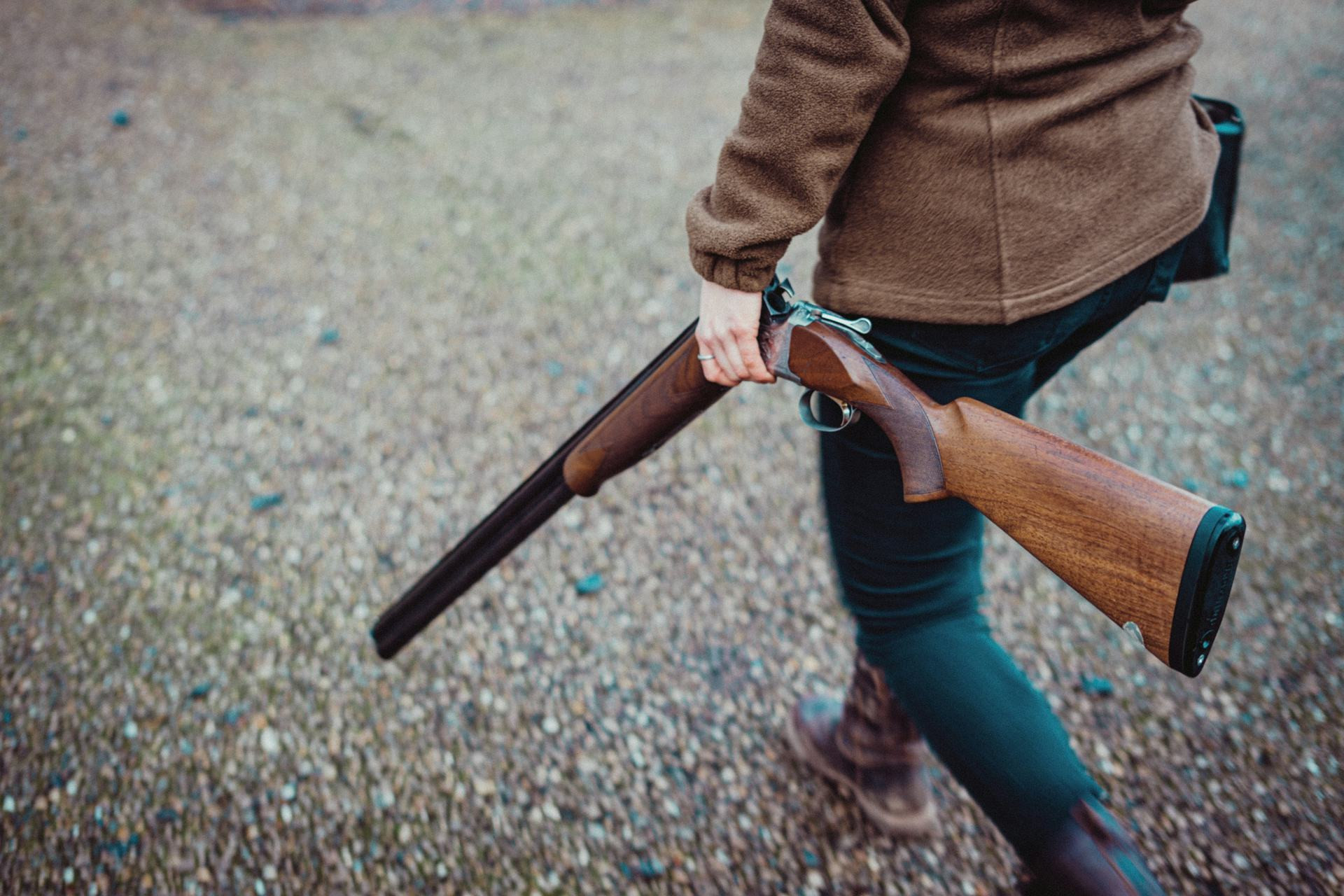
Improve your shooting skills and safety with focused, ammo-free practice
Shooting
Shooting
4 min
Discover how dry-fire training can sharpen your accuracy, build muscle memory, and reinforce safe gun handling—all without firing a single shot. Learn the essential techniques, tools, and routines to make this effective training method part of your regular practice.
Giovanni King
Giovanni
King

Dry-Fire Training for Shooters: Practice Safe Gun Handling Without Firing a Shot

Improve your shooting skills and safety with focused, ammo-free practice
Shooting
Shooting
4 min
Discover how dry-fire training can sharpen your accuracy, build muscle memory, and reinforce safe gun handling—all without firing a single shot. Learn the essential techniques, tools, and routines to make this effective training method part of your regular practice.
Giovanni King
Giovanni
King

For many shooters, dry-fire training is one of the most effective ways to improve technique, accuracy, and safety—without using a single round of ammunition. It doesn’t require a range or live ammo, but it does demand focus, discipline, and a solid understanding of safe gun handling. Here’s an introduction to how you can use dry-fire training as a safe and purposeful addition to your shooting routine.

What Is Dry-Fire Training?

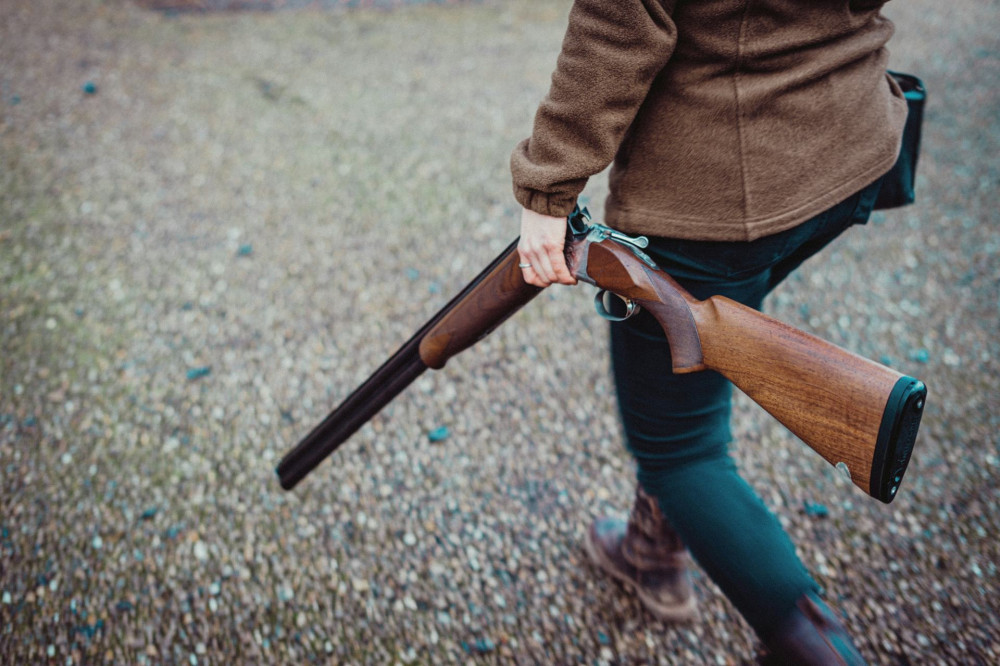
Dry-fire training simply means practicing with your firearm without firing a live round. It can include everything from working on your grip, sight picture, and trigger control to practicing reloads, draws, and movement. The goal is to build good habits and muscle memory so that your actions become second nature when you’re on the range or in a real-world situation.

Even though no shots are fired, dry-fire practice must always be taken seriously. You’re still handling a firearm, and safety must come first—every single time.

Safety First—Always

Before you begin any dry-fire session, make absolutely sure your firearm is unloaded. Remove the magazine, visually and physically inspect the chamber, and always keep the muzzle pointed in a safe direction. Consider using a snap cap (a dummy round with no primer or powder) to protect your firing pin during trigger pulls.

Establish a consistent routine: check your firearm before and after every session. This reduces the risk of mistakes and reinforces safe habits. Also, ensure that there is no live ammunition in the room where you’re training.

It’s a good idea to designate a specific area in your home for dry-fire practice—a quiet, distraction-free space where you can focus completely.

Techniques and Key Focus Areas

Dry-fire training can serve many purposes, depending on your shooting discipline. Here are some common areas to focus on:

  • Trigger Control: Practice a smooth, consistent trigger press without disturbing your sight alignment. You can balance a coin or small object on the front sight to check for movement.
  • Sight Alignment and Picture: Work on acquiring and maintaining a stable sight picture. This helps develop muscle memory and improves your ability to find your sights quickly.
  • Grip Technique: Experiment with hand placement and pressure to find the most stable and comfortable hold.
  • Reloads and Manipulations: Practice magazine changes, slide or bolt manipulations, and malfunction drills until they become fluid and efficient.
  • Shooting Positions: For rifle shooters, dry-fire practice can help refine prone, kneeling, or standing positions, improving balance and support.

Useful Training Tools

While dry-fire training can be done with no special equipment, there are tools that can make your sessions more effective:

  • Laser training systems and electronic feedback devices can track your movements and provide instant feedback on sight alignment and trigger control.
  • Snap caps protect your firearm and allow realistic manipulation drills.
  • Mirrors or cameras can help you analyze your stance, draw, and movement.
  • Dry-fire targets—paper or electronic—give you a visual point of focus.

Remember, the most important element isn’t the gear—it’s your consistency and concentration. Quality practice always beats quantity.

Plan Your Training

As with any skill, you’ll get the best results from dry-fire training if you do it regularly and with a clear purpose. Create a plan with short, focused sessions—10 to 15 minutes a few times a week is often ideal. That’s better than long, unfocused sessions where your attention starts to fade.

Set specific goals: do you want to improve your trigger control, reduce sight movement, or speed up your reloads? Knowing what you’re working on makes your training more targeted and your progress easier to measure.

The Benefits of Dry-Fire Training

Dry-fire training offers many advantages—both practical and financial:

  • You can train anytime, regardless of weather or range hours.
  • You save money on ammunition and range fees.
  • You can focus on technique without the distraction of recoil or noise.
  • You build confidence and safety through repetition and familiarity.

Many experienced shooters make dry-fire training a regular part of their routine—not as a replacement for live-fire practice, but as a powerful supplement.

Make It a Habit

Like any form of training, success comes from consistency. Dry-fire practice doesn’t require much time, but it does require regular effort. By making it a natural part of your weekly routine, you’ll quickly notice improvements in your technique, confidence, and overall performance.

And remember: safety, focus, and patience are key. When you master your movements without firing a shot, you become a safer, more precise shooter when it really counts.

Ten mistakes you must avoid as a new athlete
As a newbie to sports, it can be easy to make mistakes, but you can avoid them. This e-book gives you insight into common pitfalls and how you can train smarter and injury-free.
Download the e-book
Fine-Tune Your Shot: Small Adjustments That Make a Big Difference in Accuracy
Master the art of precision with simple yet powerful shooting techniques
Shooting
Shooting
Shooting
Accuracy
Technique
Training
Precision
7 min
Discover how small adjustments in stance, grip, breathing, and focus can dramatically improve your shooting accuracy. Whether you’re a beginner or an experienced marksman, these practical tips will help you fine-tune your shot and hit your target with confidence.
Christopher Roberts
Christopher
Roberts
Your Personal Shooting Training Program – Finding the Right Balance Between Focus and Recovery
Train smarter, shoot sharper – balance practice intensity with essential recovery
Shooting
Shooting
Shooting Training
Marksmanship
Sports Performance
Mental Focus
Recovery
7 min
Discover how to design a personal shooting training program that enhances precision, focus, and endurance. Learn to structure your sessions, strengthen your mental and physical stability, and find the right rhythm between focused practice and recovery for lasting progress.
Elijah Scott
Elijah
Scott
Dry-Fire Training for Shooters: Practice Safe Gun Handling Without Firing a Shot
Improve your shooting skills and safety with focused, ammo-free practice
Shooting
Shooting
Shooting
Firearms Training
Gun Safety
Skill Development
Practice Techniques
4 min
Discover how dry-fire training can sharpen your accuracy, build muscle memory, and reinforce safe gun handling—all without firing a single shot. Learn the essential techniques, tools, and routines to make this effective training method part of your regular practice.
Giovanni King
Giovanni
King
Range Safety: How to Help Ensure a Safe and Well-Run Match
Safety is everyone’s responsibility—learn how to make every match secure and enjoyable
Shooting
Shooting
Range Safety
Shooting Sports
Competition
Firearms Training
Event Management
2 min
Whether you’re competing, volunteering, or watching from the sidelines, range safety is the foundation of a successful shooting event. Discover practical steps and good habits that help ensure every match runs smoothly, safely, and with respect for all participants.
Ivy Davis
Ivy
Davis
Biathlon Analysis: How to Find the Balance Between Speed and Accuracy
Discover how elite biathletes master the art of combining endurance and precision
Shooting
Shooting
Biathlon
Winter Sports
Performance
Training
Sports Science
2 min
In biathlon, every heartbeat counts. This article explores how athletes balance the explosive speed of cross-country skiing with the steady focus of marksmanship, revealing the strategies, technology, and mental control that define success in this demanding winter sport.
Lucas Young
Lucas
Young
Different yoga mats explained in a simple way
Find the yoga mat that best suits your practice and your needs
Wellbeing
Wellbeing
Yoga
Yoga mat
Training equipment
Well-being
Buying guide
3 min
Get a clear understanding of the difference between yoga mats, and find the type that suits your practice. The article guides you through materials, thicknesses and brands, so you can choose the mat that provides the best support and grip.
Christopher Roberts
Christopher
Roberts
Different types of shuttlecocks – nylon, feather and hybrid
Find the shuttlecock that best suits your game and level
Wellbeing
Wellbeing
Badminton
Equipment
Training
Sport
Buying guide
5 min
Shuttlecocks come in many varieties – from durable nylon shuttles to precise feather shuttles and versatile hybrid models. Get an overview of the differences, and find the type of shuttlecock that best suits your game and level.
Elijah Scott
Elijah
Scott
Table tennis bats – compare models from different manufacturers
Find the bat that suits your playing style and improves your game
Wellbeing
Wellbeing
Table tennis
Training equipment
Sport
Equipment guide
Men’s box
5 min
A good table tennis bat can significantly improve your game. Get an overview of different types, materials and manufacturers and find the bat that best suits your playing style – whether you play for fun or in competition.
Giovanni King
Giovanni
King
Gymnastic rings – see the many types and designs
Train strength, balance and flexibility with a simple and versatile tool
Wellbeing
Wellbeing
Gymnastic rings
Training
Home training
Strength training
Fitness equipment
2 min
Gymnastic rings provide effective strength and stability training with minimal space. In the article, you get an overview of materials, types and brands, so you can find the gymnastic rings that best suit your training and level.
Ivy Davis
Ivy
Davis