Fine-Tune Your Shot: Small Adjustments That Make a Big Difference in Accuracy

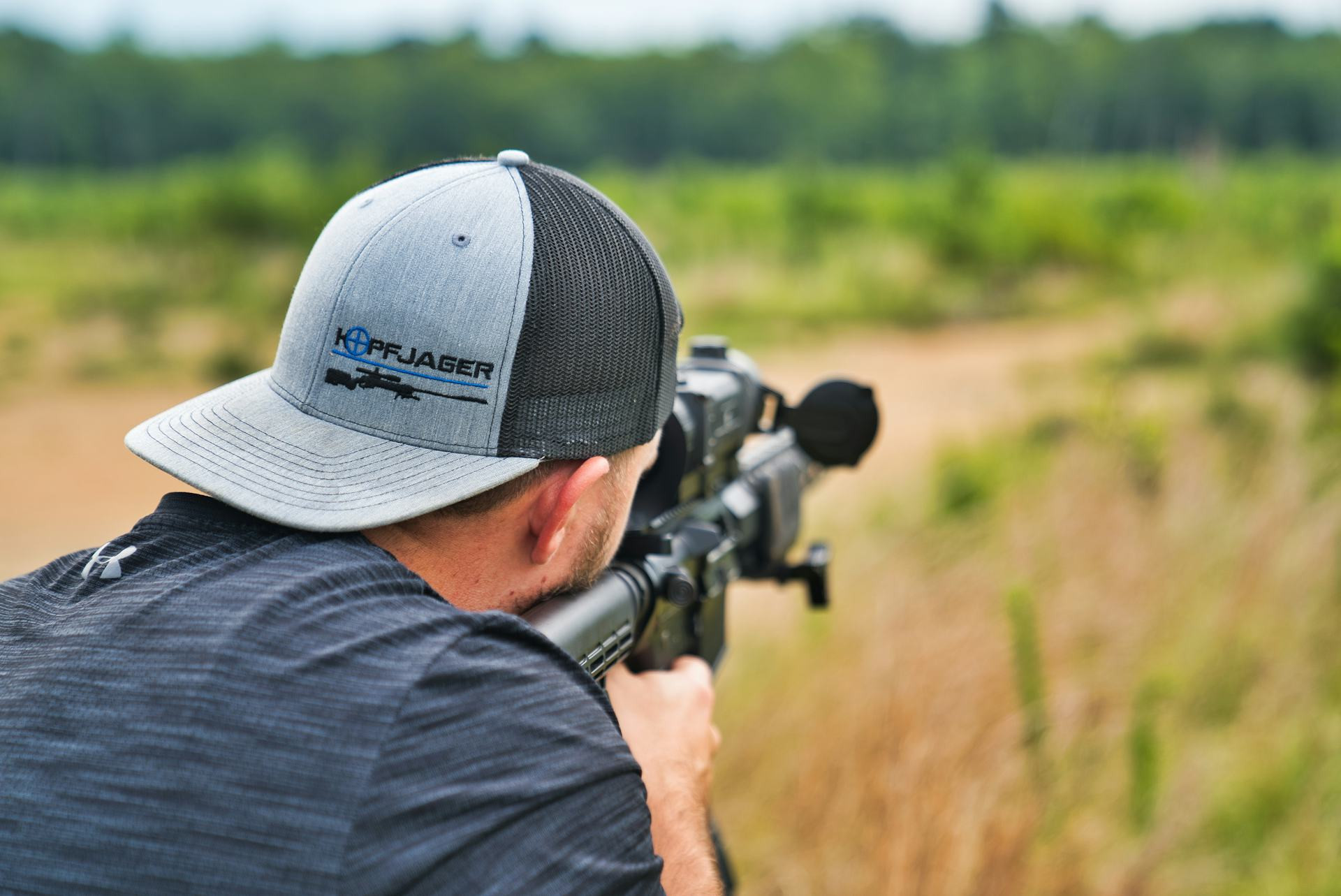
Fine-Tune Your Shot: Small Adjustments That Make a Big Difference in Accuracy
Hitting your mark isn’t just about talent or expensive gear—it’s about technique, focus, and the small adjustments that add up to big improvements. Whether you’re shooting a rifle, handgun, or bow, paying attention to the finer details can elevate your accuracy and consistency. Here’s how to fine-tune your shot and make every trigger pull count.
Body Balance – The Foundation of a Steady Shot
A precise shot starts with a stable stance. Many shooters underestimate how much posture affects accuracy. Stand with your feet shoulder-width apart, weight evenly distributed, and your body relaxed but controlled. Tension creates unwanted movement, while a loose stance makes it hard to repeat the same position.
Find your natural point of aim—the direction your body naturally points when you’re relaxed. Adjust your stance so your sights align with the target without forcing the gun into position. This reduces muscle strain and helps you shoot more consistently.
Læs også:
Grip and Trigger Control – Small Movements, Big Impact
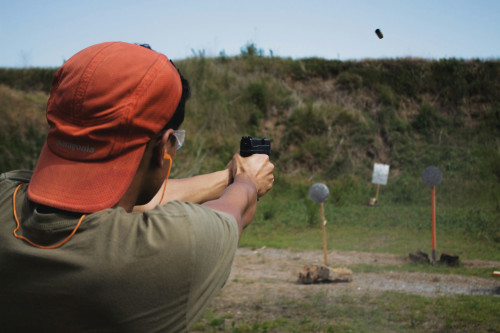
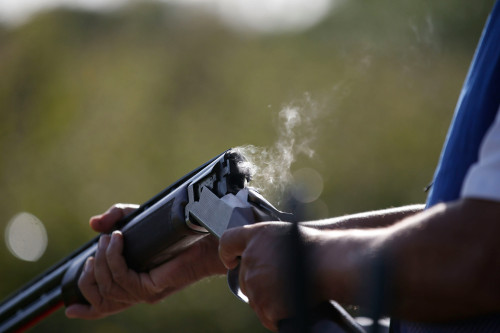
Even the slightest movement in your hand can shift your shot by inches. A proper grip means holding firmly but not tightly. The firearm should feel secure in your hand, but your fingers shouldn’t be tense. Practice finding that balance between control and relaxation.
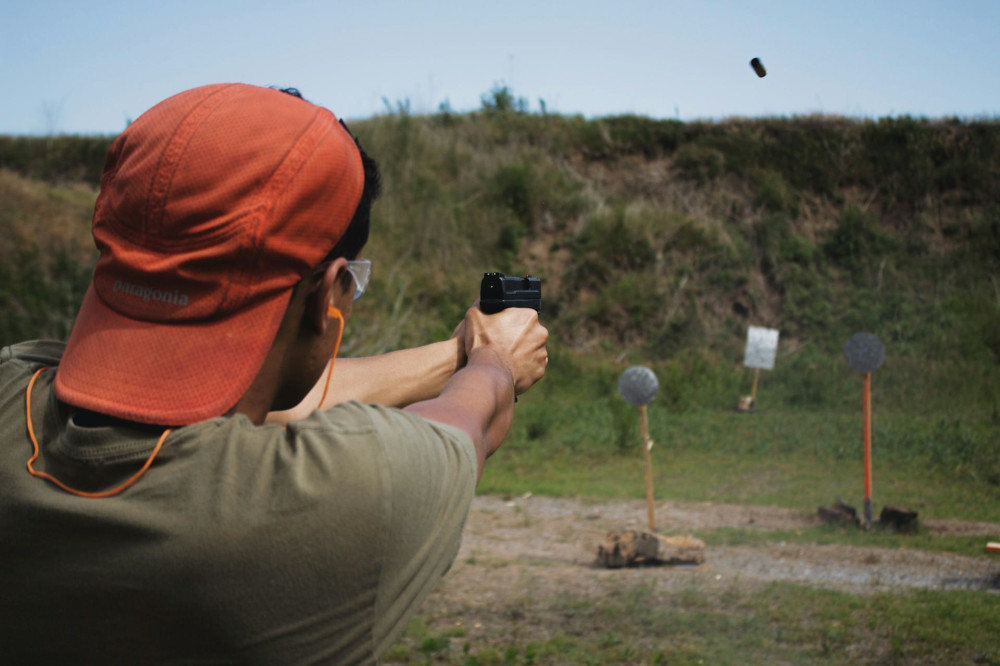
Trigger control is one of the most critical elements of accuracy. Apply steady, even pressure on the trigger—don’t jerk or slap it. The goal is a smooth press that surprises you when the shot breaks. This minimizes the chance of moving the gun at the crucial moment.
Breathing and Focus – Calm Body, Calm Shot
Your breathing affects your entire body, including your aim. Many shooters use a simple rhythm: take a deep breath, exhale, and fire during the brief pause before your next inhale. That’s when your body is most still. It takes practice, but once you find your rhythm, it becomes second nature.
Mental focus is just as important. A precise shot requires being fully present. Block out distractions and concentrate on the process, not the outcome. When you focus on the movement rather than the result, your shots become more controlled and repeatable.
Adjusting Your Sights – Understanding the Details
Even perfect technique can’t make up for poorly adjusted sights. Take time to zero your firearm and understand how small changes affect your point of impact. Most modern sights allow fine adjustments for elevation and windage—learn how to use them effectively.
Environmental factors matter too. Wind, light, and distance all influence your shot. A light crosswind can shift your bullet’s path, and changing light can alter how you perceive your sights. Keeping a shooting log that tracks conditions and results can help you learn how to compensate over time.
Repetition and Analysis – The Path to Consistency
Accuracy is all about repeatability. The more consistent your movements are from shot to shot, the more predictable your results will be. Review your shot groups: Are they consistently off in one direction? Patterns often point to specific habits—a tight grip, uneven stance, or rushed trigger pull.
Video recordings or feedback from a coach can be invaluable. It’s often easier to spot errors from the outside than to feel them yourself. With patience and structured practice, you can gradually eliminate the small inconsistencies that stand between you and precision.
Mental Strength – Staying Steady Under Pressure
Once your technique feels natural, the next challenge is maintaining composure under pressure. Whether you’re competing, hunting, or just trying to improve, nerves can affect your performance. Trust your training. The more automatic your movements become, the easier it is to stay calm when it counts.
Visualization can also help. Picture the perfect shot before you take it. This mental rehearsal reinforces successful habits and builds confidence.
Small Steps, Big Results
Fine-tuning your shot is a journey, not a quick fix. It takes patience, awareness, and a willingness to learn from every round you fire. But the reward is worth it: a sense of control, calm, and precision that makes shooting more satisfying and effective.
Whether you shoot for sport, hunting, or recreation, it’s the small adjustments that make the biggest difference. Learn to feel and understand them, and every shot becomes a chance to be just a little better than the last.
Læs også: