Understand Your Horse’s Signals and Avoid Miscommunication in the Saddle

Understand Your Horse’s Signals and Avoid Miscommunication in the Saddle
Riding is not just about technique and balance—it’s equally about communication. Horses don’t speak with words, but with body language, facial expressions, and subtle movements that reveal how they feel and what they understand from your cues. When a rider learns to read and respond to these signals, the partnership becomes more harmonious, and misunderstandings in the saddle can be avoided.
The Horse’s Language – More Than Ear Position
Horses are constantly communicating, both with each other and with people. Their ears, eyes, tail, and overall posture tell you a great deal about their mood and comfort level.
- Ears: Forward ears show interest and attention, while ears turned slightly back can indicate concentration or mild irritation. Ears pinned flat against the head are a clear sign of discomfort, fear, or anger.
- Eyes: A soft, calm eye with relaxed muscles signals that the horse is at ease. Wide eyes with visible whites often mean the horse is anxious or frightened.
- Tail: A relaxed, gently swishing tail is a good sign. A tail that lashes sharply or is held tight can indicate frustration, pain, or irritation.
- Body: A tense back, stiff neck, or quick, jerky movements may show that the horse feels pressured or confused by your aids.
Learning to notice these details takes practice, but it’s the key to understanding how your horse experiences each moment.
Læs også:
The Rider’s Role in Communication
Communication goes both ways. Your horse reacts to every signal you send—whether you mean to send it or not. A tight hand, a stiff seat, or a sudden shift in weight can completely change how your horse responds.
As a rider, it’s important to be clear and consistent. When you ask for something, give your horse time to respond before repeating or increasing the cue. Too many conflicting signals can cause confusion and stress.
Think of riding as a conversation: you ask a question with your seat, legs, and hands—and your horse answers. If the answer isn’t what you expected, ask yourself whether your question was clear enough.
Common Misunderstandings in the Saddle
Even experienced riders encounter miscommunication. Often, it’s caused by small details that are easy to overlook in the moment.
- The horse resists the bit: This can result from a heavy hand or lack of forward energy. Try softening your contact and riding more from your leg.
- The horse refuses to move forward: It might be uncertain, tired, or confused. Check that your tack fits properly and that you’re not tensing your body.
- Uneven transitions: Usually a sign that the rider didn’t prepare the horse in time. Give clear, gradual cues and focus on maintaining rhythm.
By analyzing calmly and with curiosity, you can find the root cause instead of just correcting the symptom.
Building Trust from the Ground Up
Communication doesn’t start only when you’re in the saddle. Groundwork—such as leading, lunging, or liberty work—is an essential part of building trust and understanding.
When your horse learns to respond to small cues on the ground, it becomes easier for them to interpret your signals while riding. Groundwork also gives you a chance to observe your horse’s body language up close and notice how it reacts in different situations.
A horse that feels safe with its rider is more willing to cooperate and less likely to respond with fear or resistance.
Listen When Things Don’t Go as Planned
It’s tempting to label resistance as “bad behavior,” but often the horse is simply trying to say that something doesn’t feel right. It could be physical discomfort, confusion, or stress.
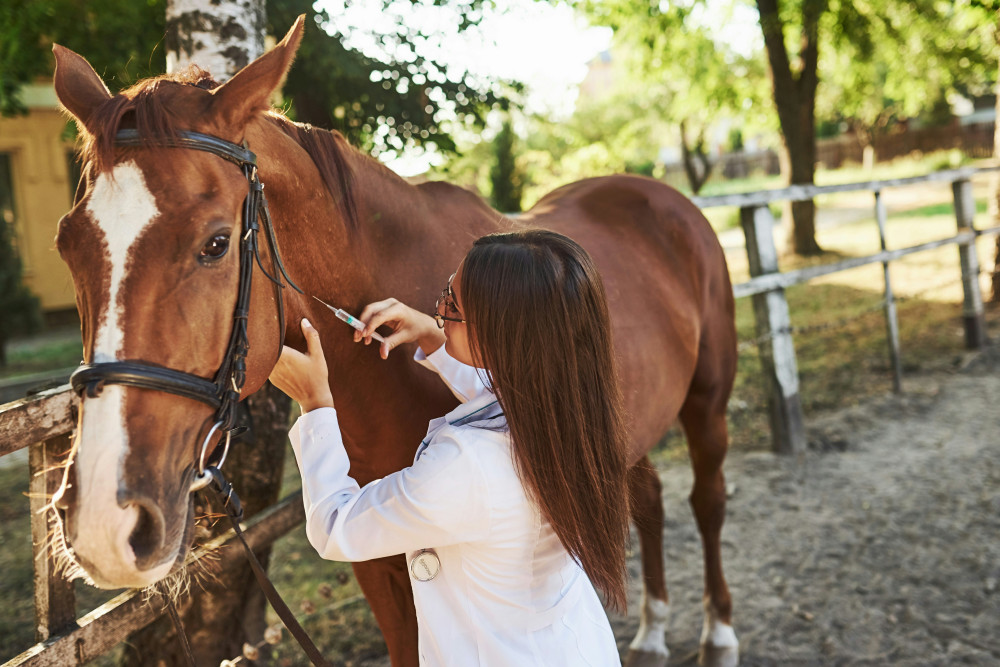
If your horse suddenly changes behavior—becomes stiff, refuses a jump, or seems uneasy—consider whether there might be a physical cause. A veterinarian, saddle fitter, or equine bodyworker can help rule out pain.
Listening to your horse doesn’t mean letting it take charge; it means taking its signals seriously and looking for the reason behind the behavior.
A Partnership Built on Respect
The best riding happens when horse and rider work as partners. That partnership requires patience, consistency, and empathy. When you learn to read your horse’s signals and adjust your own, riding becomes not only more effective but also more enjoyable and safe for both of you.
Understanding your horse’s language is a lifelong journey, but every small step brings you closer to a partnership built on mutual respect and trust.
Læs også: