Choosing a Stable Wisely: Find the Boarding Option That Suits You Both

Choosing a Stable Wisely: Find the Boarding Option That Suits You Both
Finding the right boarding stable for your horse is one of the most important decisions you’ll make as an owner. It’s not just about cost or convenience—it’s about well-being, safety, and a lifestyle that works for both of you. A good boarding arrangement supports your horse’s health, your riding goals, and your peace of mind. Here’s how to choose wisely and find the option that truly fits.
Know Your Horse’s Needs
Before you start touring barns, take a close look at your horse’s personality, habits, and physical needs. Horses are herd animals that thrive on movement, fresh air, and social interaction. Consider:
- Turnout time – Does your horse do best with all-day turnout, or is a half-day routine more suitable?
- Feeding and care – Does your horse have special dietary needs, such as extra hay, supplements, or frequent feeding?
- Temperament and social behavior – Is your horse happiest in a large group, or does it prefer a quieter environment with fewer companions?
Understanding your horse’s preferences will help you identify a stable where it can stay healthy and relaxed.
Think About Your Own Routine
A boarding barn should fit your lifestyle as much as your horse’s. Be realistic about your schedule, commute, and what kind of involvement you want in daily care.
- Location and travel time – A barn close to home or work makes it easier to visit regularly and stay consistent with your riding.
- Facilities – Do you need an indoor arena for winter riding, trails for hacking out, or jumps and training equipment?
- Care level – Would you prefer full board, where staff handle feeding and turnout, or partial/self-care, where you take on more responsibility?
Choose a setup that supports your daily life, not one that adds stress. The right balance will make horse ownership more enjoyable and sustainable.
Community and Atmosphere
The people and culture at a barn can make a huge difference. A positive, respectful environment benefits both horses and riders. When visiting, pay attention to the atmosphere:
- How do boarders and staff interact?
- Is there a sense of cooperation and mutual respect?
- How are chores, schedules, and conflicts handled?
A friendly, supportive community can make barn life rewarding, while tension or poor communication can quickly wear you down.
Safety and Maintenance
A stable should be a safe, well-managed place for horses and humans alike. Take time to inspect the property carefully:
- Are stalls, fences, and pastures in good repair?
- Is there proper lighting, fire safety equipment, and clear walkways?
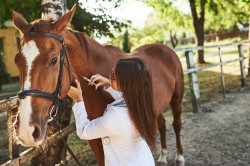
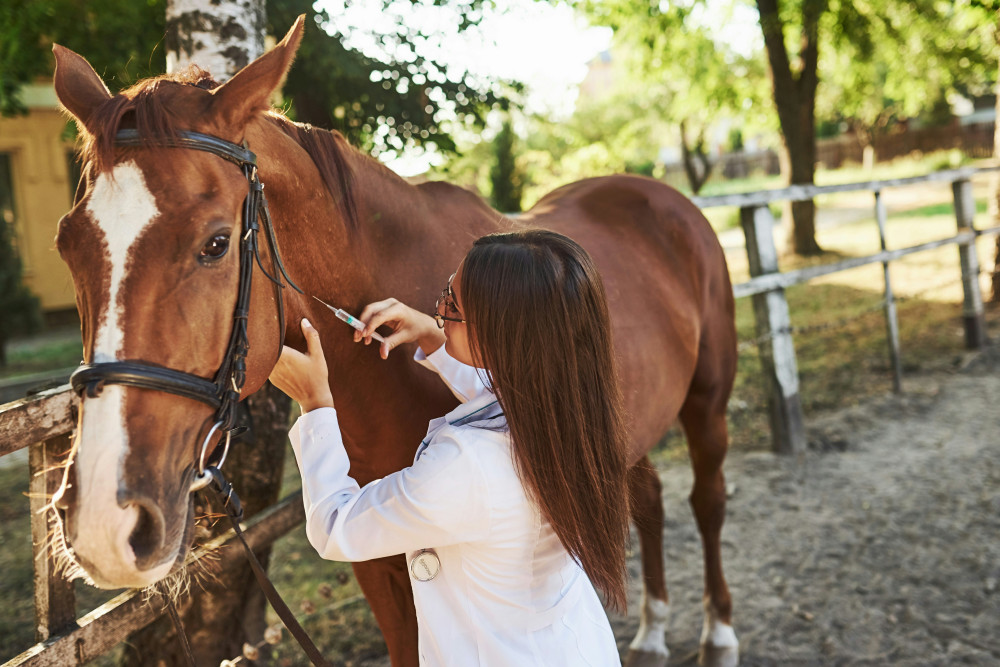
- How are veterinary care, quarantine, and emergencies handled?
A well-run facility has clear routines, responsible management, and a focus on horse welfare. That reliability matters—especially when you can’t be there every day.
Cost and Contract Details
Boarding prices vary widely depending on location, amenities, and services. The cheapest option isn’t always the best value. Compare what’s included in the monthly fee—feed, bedding, turnout, use of arenas, and any extras like blanketing or holding for the vet.
Always read the boarding contract carefully. Clarify terms about notice periods, liability, and barn rules. A transparent agreement protects both you and the barn owner and helps prevent misunderstandings later on.
Læs også:

Take Your Time—and Trust Your Instincts
Once you’ve narrowed down your options, visit more than once and, if possible, try a short-term stay. Observe how your horse settles in and how the daily routines feel in practice.
Most importantly, trust your instincts. A horse that eats well, relaxes in its stall, and moves comfortably in turnout is telling you it feels at home.
Choosing a stable wisely is about finding balance—between your horse’s needs, your own lifestyle, and that all-important sense that it simply feels right for both of you.
Læs også: