Early Detection of Disease in Horses: Why Regular Care Matters

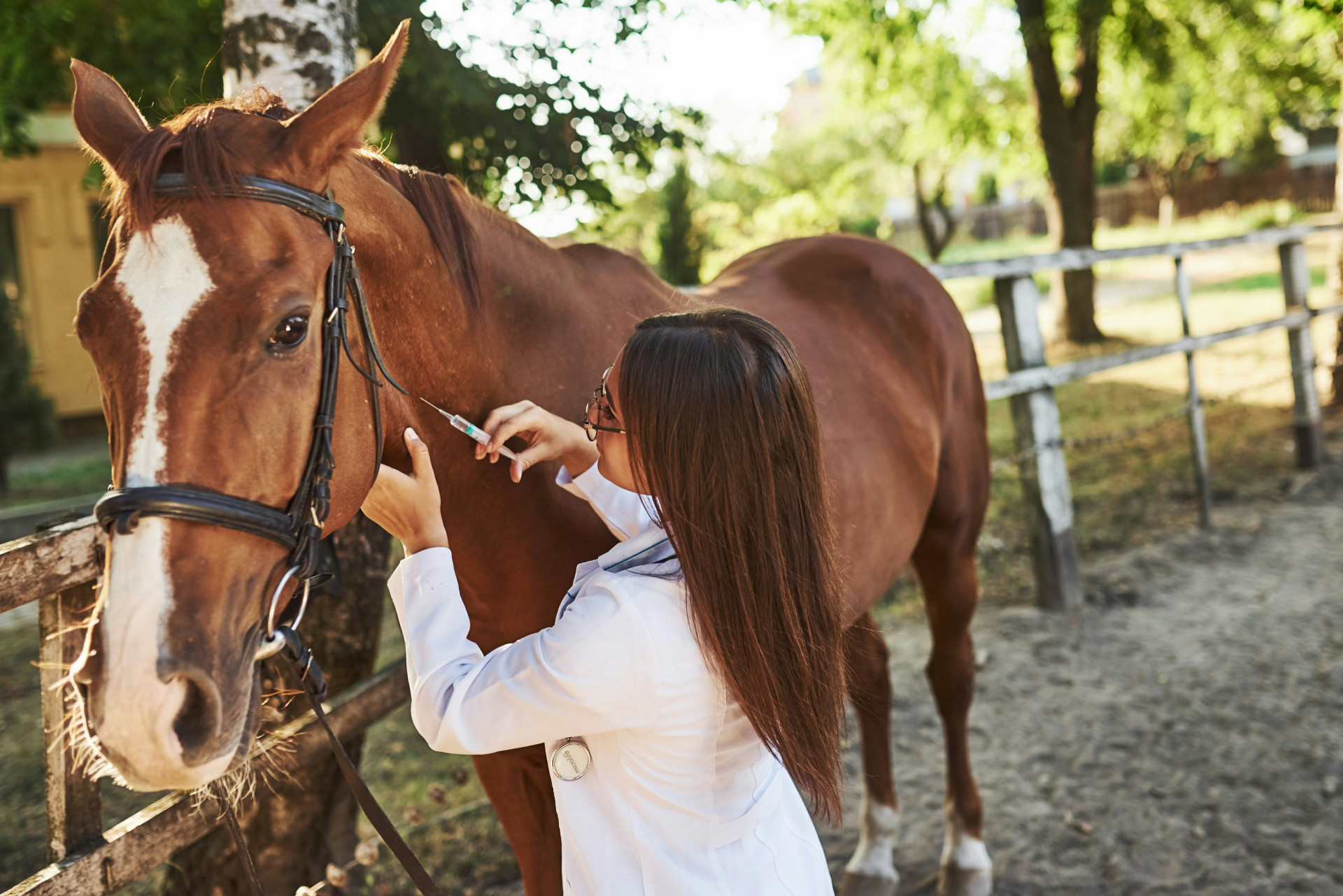
Consistent care and observation can make all the difference in your horse’s health
Riding
Riding
3 min
Early detection of disease is vital for every horse owner. Learn how daily routines, awareness of normal behavior, and close collaboration with your veterinarian can help prevent illness and ensure your horse stays healthy and strong.
Christopher Roberts
Christopher
Roberts

Early Detection of Disease in Horses: Why Regular Care Matters

Consistent care and observation can make all the difference in your horse’s health
Riding
Riding
3 min
Early detection of disease is vital for every horse owner. Learn how daily routines, awareness of normal behavior, and close collaboration with your veterinarian can help prevent illness and ensure your horse stays healthy and strong.
Christopher Roberts
Christopher
Roberts

A healthy horse is not just the result of good feeding and exercise—it also depends on consistent attention and regular care. Many equine diseases develop gradually, and the earlier they are detected, the better the chances for effective treatment and recovery. For horse owners, learning to recognize subtle changes and making daily care a habit are key steps in keeping horses healthy and comfortable.

Know Your Horse’s Normal Behavior

The first step in spotting illness early is understanding what’s normal for your horse. Horses are creatures of habit, and even small changes in behavior or appearance can signal that something is wrong. Pay attention to how your horse usually eats, moves, and interacts with other horses or people.

If your horse suddenly loses interest in feed, isolates itself, or seems less active than usual, it could be an early sign of discomfort or illness. Changes in manure, urine, or sweating patterns can also indicate health issues. The better you know your horse’s normal routines, the faster you’ll notice when something is off.

Daily Care as Prevention

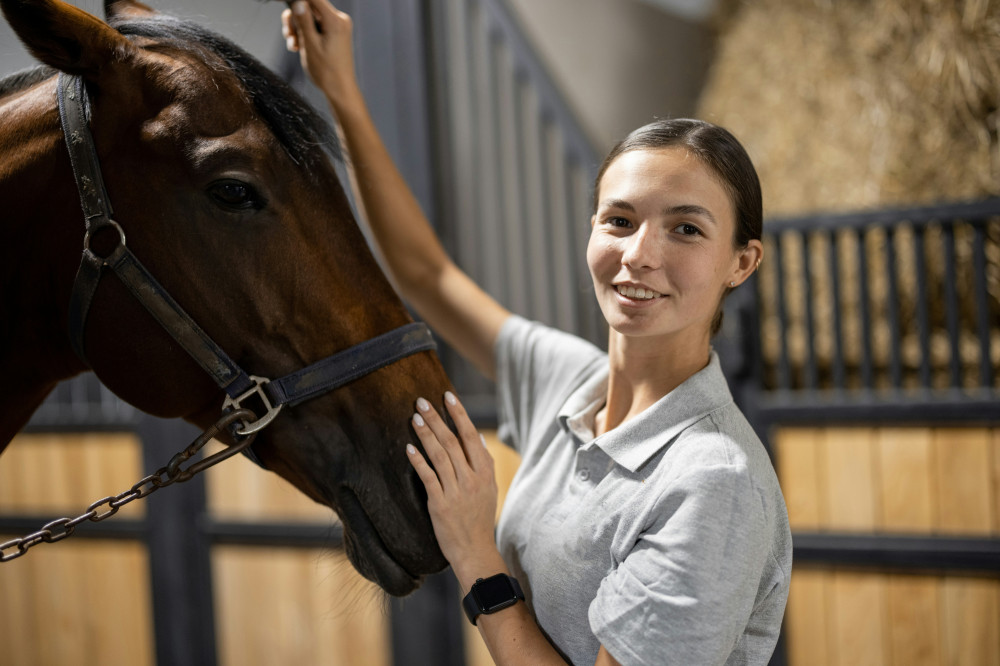
Daily grooming and handling are not just about keeping your horse clean—they’re also opportunities to detect small problems before they become serious. When you brush, pick hooves, and check the coat and skin, you can spot cuts, swelling, heat, or tenderness early.

  • Grooming improves circulation and helps you feel for lumps or sore spots.
  • Hoof care is essential to prevent infections such as thrush or abscesses.
  • Dental checks should be done regularly, as dental issues can cause weight loss and behavioral changes.
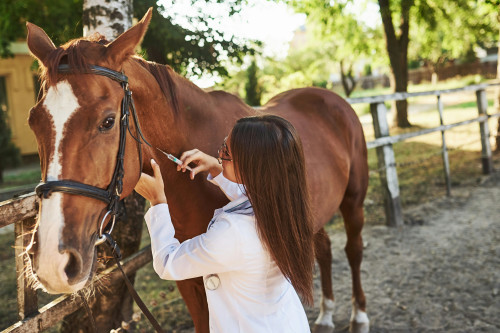
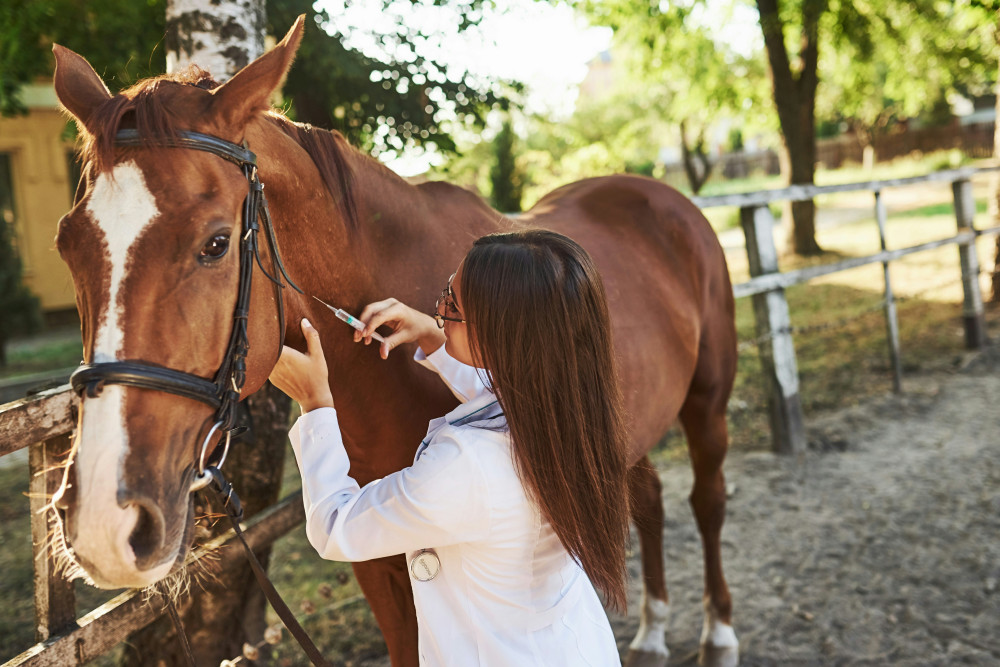
  • Vaccinations and deworming are vital parts of preventive health care and protect against serious diseases common in the U.S., such as West Nile virus, equine influenza, and rabies.

Making care a consistent routine not only supports your horse’s health but also strengthens the bond between you and your animal.

Common Signs of Illness

Horses often hide pain, so it’s important to watch for subtle signs that something may be wrong:

  • Decreased appetite or changes in water intake
  • Fever, sweating, or shivering
  • Swollen legs or lameness
  • Coughing, nasal discharge, or labored breathing
  • Behavioral changes such as irritability, restlessness, or lethargy
  • Changes in manure consistency or color

If you notice one or more of these symptoms, contact your veterinarian. It’s always better to check too soon than too late.

Partnering with Your Veterinarian

A strong partnership with your veterinarian is essential for maintaining your horse’s health. Schedule regular wellness exams, even if your horse appears healthy. Your vet can detect early signs of problems you might miss and provide guidance on nutrition, vaccination schedules, and parasite control.

Many veterinarians in the U.S. recommend annual or biannual health checks that include dental exams, hoof evaluations, and assessments of the heart, lungs, and overall condition. These visits are an investment that can prevent costly treatments later on.

Good Health Starts with Daily Attention

Early detection of disease ultimately comes down to awareness and routine. A horse that receives consistent care and observation has a much better chance of staying healthy and happy. It takes time and dedication, but the reward is a strong, trusting partnership and a horse that thrives.

By combining daily care, careful observation, and professional veterinary support, you can give your horse the best possible foundation for a long, healthy life.

Ten mistakes you must avoid as a new athlete
As a newbie to sports, it can be easy to make mistakes, but you can avoid them. This e-book gives you insight into common pitfalls and how you can train smarter and injury-free.
Download the e-book
Early Detection of Disease in Horses: Why Regular Care Matters
Consistent care and observation can make all the difference in your horse’s health
Riding
Riding
Horse Health
Equine Care
Disease Prevention
Veterinary Advice
Horse Owners
3 min
Early detection of disease is vital for every horse owner. Learn how daily routines, awareness of normal behavior, and close collaboration with your veterinarian can help prevent illness and ensure your horse stays healthy and strong.
Christopher Roberts
Christopher
Roberts
Changing Conditions? How to Adjust Your Horse’s Training for Weather, Footing, and Environment
Keep your horse performing at its best by adapting training to every season and surface
Riding
Riding
Horse Training
Equestrian
Horse Care
Riding Tips
Seasonal Training
4 min
Learn how to fine-tune your horse’s training routine to match changing weather, footing, and environmental conditions. Discover practical tips to maintain safety, build resilience, and support your horse’s physical and mental well-being all year round.
Elijah Scott
Elijah
Scott
Horseback Riding and Land Stewardship – When Trails Benefit Both Horse and Landscape
Discover how thoughtful trail design turns horseback riding into a force for conservation
Riding
Riding
Horseback Riding
Land Stewardship
Equestrian Trails
Conservation
Outdoor Recreation
3 min
Horseback riding can do more than connect people with horses—it can also nurture the landscapes they traverse. Learn how well‑planned equestrian trails support both recreation and environmental stewardship, creating benefits for riders, wildlife, and the land itself.
Giovanni King
Giovanni
King
Choosing a Stable Wisely: Find the Boarding Option That Suits You Both
Make the best choice for your horse’s comfort, safety, and your own peace of mind
Riding
Riding
Horse Care
Boarding Stables
Equestrian Lifestyle
Horse Owners
Stable Management
6 min
Choosing the right boarding stable is about more than location or price—it’s about finding a place where your horse thrives and you feel confident. Learn what to look for in facilities, care routines, and community to ensure a perfect match for both of you.
Ivy Davis
Ivy
Davis
Understand Your Horse’s Signals and Avoid Miscommunication in the Saddle
Strengthen your connection with your horse by learning to interpret its body language and emotional cues
Riding
Riding
Horse Training
Riding Communication
Equestrian Skills
Horse Behavior
Rider Tips
7 min
Discover how to recognize and respond to your horse’s subtle signals for clearer communication and a more trusting partnership in the saddle. Learn to avoid common misunderstandings and build a deeper bond through awareness and respect.
Lucas Young
Lucas
Young
Different yoga mats explained in a simple way
Find the yoga mat that best suits your practice and your needs
Wellbeing
Wellbeing
Yoga
Yoga mat
Training equipment
Well-being
Buying guide
3 min
Get a clear understanding of the difference between yoga mats, and find the type that suits your practice. The article guides you through materials, thicknesses and brands, so you can choose the mat that provides the best support and grip.
Christopher Roberts
Christopher
Roberts
Different types of shuttlecocks – nylon, feather and hybrid
Find the shuttlecock that best suits your game and level
Wellbeing
Wellbeing
Badminton
Equipment
Training
Sport
Buying guide
5 min
Shuttlecocks come in many varieties – from durable nylon shuttles to precise feather shuttles and versatile hybrid models. Get an overview of the differences, and find the type of shuttlecock that best suits your game and level.
Elijah Scott
Elijah
Scott
Table tennis bats – compare models from different manufacturers
Find the bat that suits your playing style and improves your game
Wellbeing
Wellbeing
Table tennis
Training equipment
Sport
Equipment guide
Men’s box
5 min
A good table tennis bat can significantly improve your game. Get an overview of different types, materials and manufacturers and find the bat that best suits your playing style – whether you play for fun or in competition.
Giovanni King
Giovanni
King
Gymnastic rings – see the many types and designs
Train strength, balance and flexibility with a simple and versatile tool
Wellbeing
Wellbeing
Gymnastic rings
Training
Home training
Strength training
Fitness equipment
2 min
Gymnastic rings provide effective strength and stability training with minimal space. In the article, you get an overview of materials, types and brands, so you can find the gymnastic rings that best suit your training and level.
Ivy Davis
Ivy
Davis