Horseback Riding and Land Stewardship – When Trails Benefit Both Horse and Landscape

Horseback Riding and Land Stewardship – When Trails Benefit Both Horse and Landscape
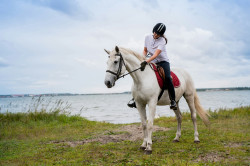
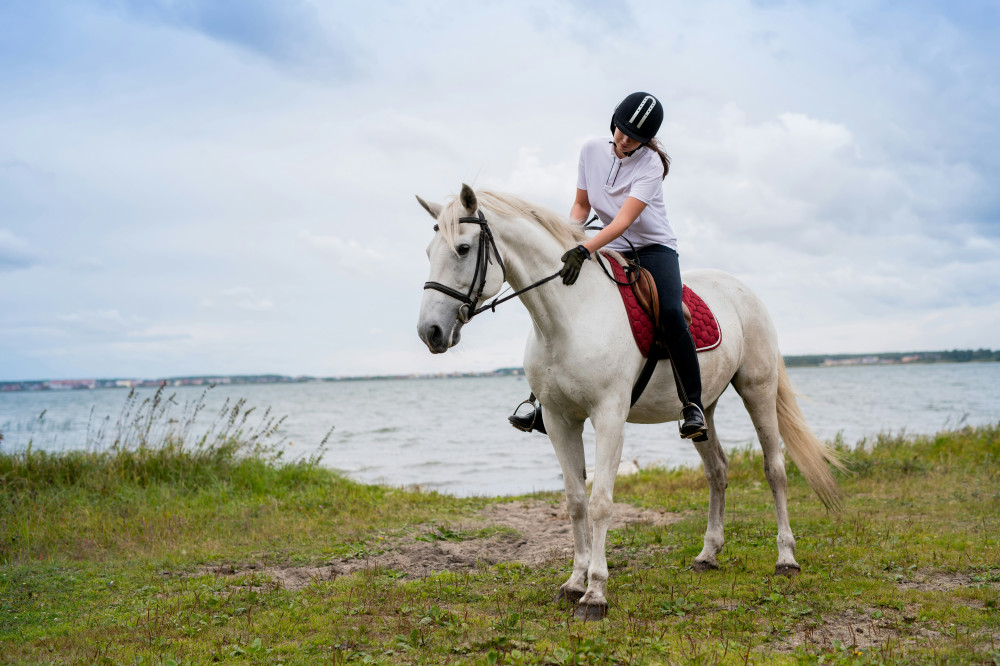
Horseback riding is more than a partnership between rider and horse – it can also play a meaningful role in caring for the land. Across the United States, well‑planned equestrian trails are proving that recreation and conservation can go hand in hand. When riders move through forests, grasslands, and open spaces, they can help maintain trails, prevent overgrowth, and bring life to areas that might otherwise be neglected.
When Hooves Help the Habitat
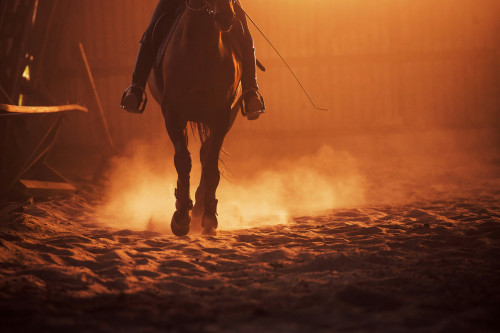
Horses are large animals, and their movement naturally affects the ground beneath them. While that might sound like a drawback, in many ecosystems it can actually be beneficial. The gentle trampling of hooves creates small patches of bare soil where native plants can germinate, and shallow depressions that collect water for insects and amphibians. In prairies and meadows, this disturbance adds diversity to the vegetation and helps maintain open landscapes.
In regions where grazing animals like bison or cattle are no longer present, horses can fill a similar ecological role. Their grazing and movement help keep vegetation in check, while riders ensure that trails remain open and accessible.
Planning Trails for Balance
For horseback riding to support land stewardship, thoughtful planning is essential. A well‑designed trail system considers soil type, wildlife habitats, and the needs of other outdoor users. Many state and local land managers now collaborate with equestrian groups and conservation organizations to identify suitable routes and maintenance practices.
- Avoid sensitive areas – Riding should be limited in wetlands, fragile desert soils, or nesting areas during breeding seasons.
- Use existing trails – Staying on designated paths reduces erosion and disturbance.
- Provide clear signage and education – Marked routes and posted guidelines help riders make responsible choices.
When trails are clearly defined and well maintained, it’s easier to balance recreation with conservation, allowing hikers, cyclists, and riders to share the landscape respectfully.
Horses as Land Managers
In several parts of the U.S., horses are being used directly in land management projects. On rangelands, coastal dunes, and grass preserves, managed grazing by horses can help control invasive plants and maintain open habitats for native species. For example, in parts of California and the Midwest, conservation programs use horses to graze overgrown fields, reducing wildfire risk while restoring native grasses and wildflowers.
These projects show that horses can be more than recreational partners – they can be active participants in ecological restoration.
Benefits for Riders – and for Nature
For riders, participating in stewardship projects adds a deeper sense of purpose to time spent outdoors. Many equestrians find that contributing to trail maintenance or habitat restoration strengthens their connection to the land and community. Riding on natural terrain also benefits the horse: it builds balance, endurance, and confidence.
The experience of moving quietly through a living landscape – knowing that your presence helps sustain it – is rewarding for both horse and rider.
Læs også:
How to Ride Responsibly
Every rider can help make horseback riding part of a sustainable future by following a few simple principles:
- Stay on marked trails and avoid riding on wet or muddy ground.
- Pack out all trash and avoid leaving feed or hay behind.
- Respect wildlife and livestock – pass quietly and give them space.
- Volunteer with local trail associations or park clean‑up days.
Small, consistent actions by many riders can make a big difference in keeping trails healthy and open.
A Shared Path Forward
Horseback riding and land stewardship are not opposing goals – they are complementary. When riders, land managers, and local communities work together, they can create trail systems that protect nature while enriching outdoor experiences.
Each hoofprint on the trail can be more than a mark in the soil – it can be a sign that people and horses are helping the land stay alive and thriving.
Læs også: