Row Your Way to Strength: How to Use Rowing as a Versatile Workout

Row Your Way to Strength: How to Use Rowing as a Versatile Workout
Rowing is one of the most complete workouts you can give your body. It combines strength, endurance, and rhythm—and it can be adapted to any fitness level. Whether you’re gliding across a lake in a rowing shell or pulling on an indoor rowing machine at the gym, you’re engaging nearly every major muscle group while improving your cardiovascular health. Here’s how to make rowing a powerful and versatile part of your fitness routine.
A Full-Body Workout in Motion
What makes rowing unique is how it engages the entire body in one smooth, coordinated movement. Your legs drive the motion, your core stabilizes, and your arms finish the pull. This means you’re building both strength and coordination with every stroke.
Rowing is also low-impact, making it gentle on the joints. Because the movement is controlled and fluid, it’s suitable for beginners, older adults, and those recovering from injuries. Once you master the technique, you can row for long sessions without putting unnecessary strain on your body.
Læs også:


On the Water or Indoors?
There’s a big difference between rowing on the water and using an indoor rowing machine—but both have their advantages.
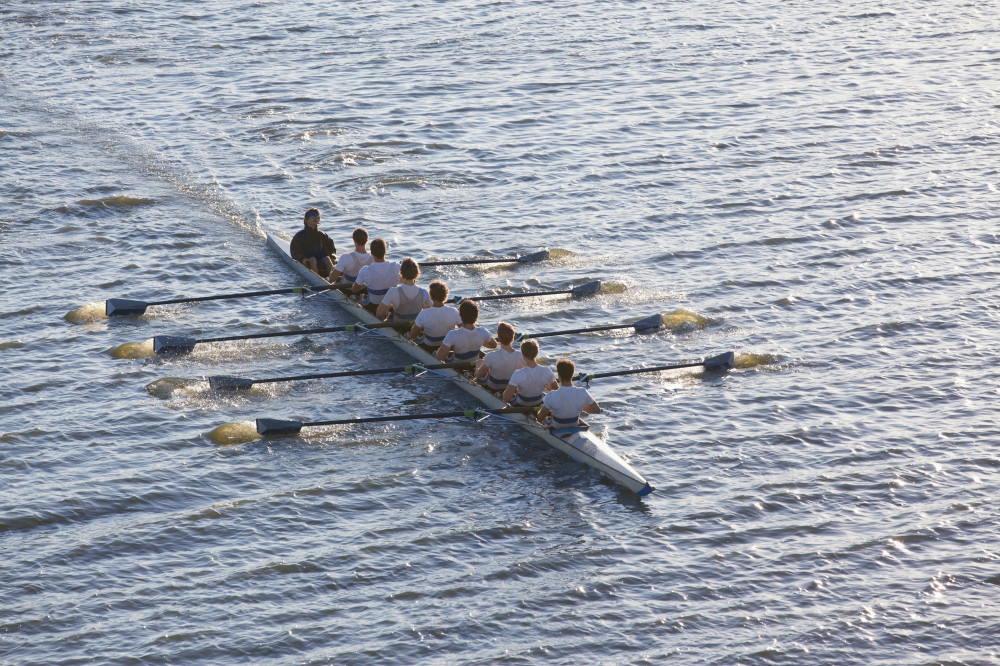
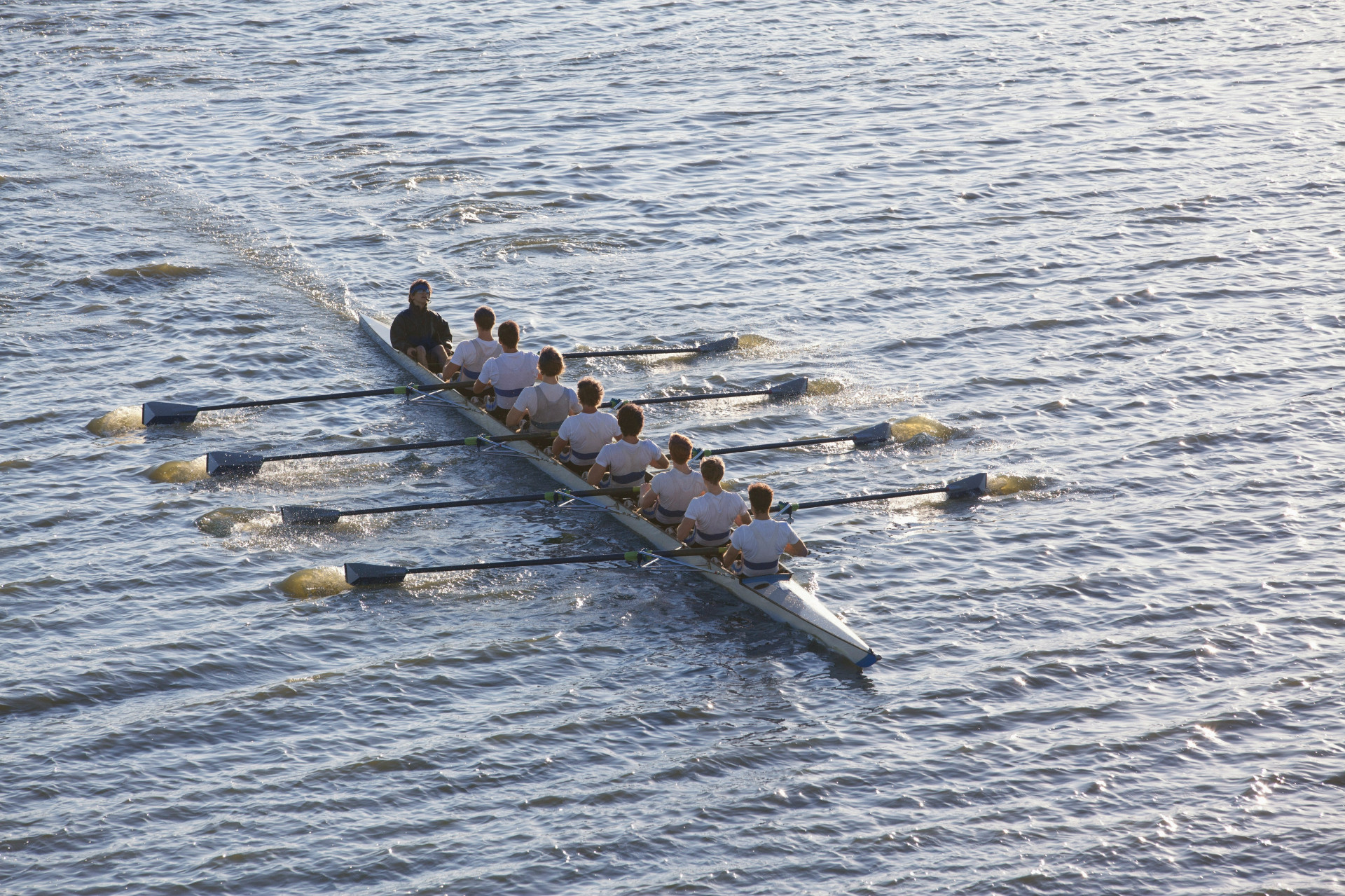
- Rowing on the water offers a unique connection with nature. It challenges your balance, technique, and focus, especially if you’re rowing with a team. The rhythm of the strokes, the sound of the oars, and the feel of the water can be deeply calming and energizing at the same time.
- Indoor rowing is accessible year-round and easy to tailor to your goals. You can adjust resistance, track your performance, and use it for warm-ups, cardio sessions, or full workouts. Many gyms and home fitness setups now include high-quality rowing machines that make it easy to get started.
Many athletes combine both forms—using indoor rowing for consistent training and outdoor rowing for the experience and challenge.
Getting the Most Out of Your Rowing Sessions
Good technique is key to effective and safe rowing. Each stroke has four phases: the catch, the drive, the finish, and the recovery. The power should come primarily from your legs, with your back staying straight and your arms following naturally.
Start with short sessions of 10–15 minutes and gradually increase your time as your endurance improves. Once you’re comfortable, vary your pace and resistance to challenge both your strength and stamina. Interval training—alternating between fast and slow rowing—can be especially effective for boosting cardiovascular fitness.
Benefits for Body and Mind
Rowing isn’t just a physical workout—it’s also a mental reset. The repetitive, rhythmic motion and focus on breathing can have a meditative effect, helping to reduce stress and improve mental clarity. Many rowers describe a sense of calm and focus that comes from finding their rhythm on the water or the machine.
Research shows that regular rowing can improve heart health, increase muscle strength, and burn a significant number of calories. It’s an efficient way to support weight management and overall wellness.
Gear and Practical Tips
You don’t need much equipment to start rowing, but the right setup can make a big difference.
- Clothing: Choose fitted, flexible clothing that won’t get caught in the seat or handle.
- Footwear: Wear shoes with flat soles and good support to help transfer power efficiently.
- Rowing machine: For home workouts, a basic model with adjustable resistance and a smooth glide is enough.
- On the water: Look for a local rowing club—many offer beginner programs that teach technique and safety.
Always warm up before rowing and finish with light stretching to prevent tightness in your back and shoulders.
Make Rowing Part of Your Routine
Rowing can easily become a regular part of your fitness plan. Use it as a warm-up, a standalone cardio workout, or active recovery after strength training. Set personal goals—like rowing a certain distance each week or participating in a local regatta—to stay motivated.
Most importantly, find joy in the movement. Once you feel the rhythm and flow of each stroke, rowing becomes more than just exercise—it becomes an experience you’ll look forward to every time.
Læs også: