Ride the Waves Right – Learn to Make the Most of Them in Your Windsurfing

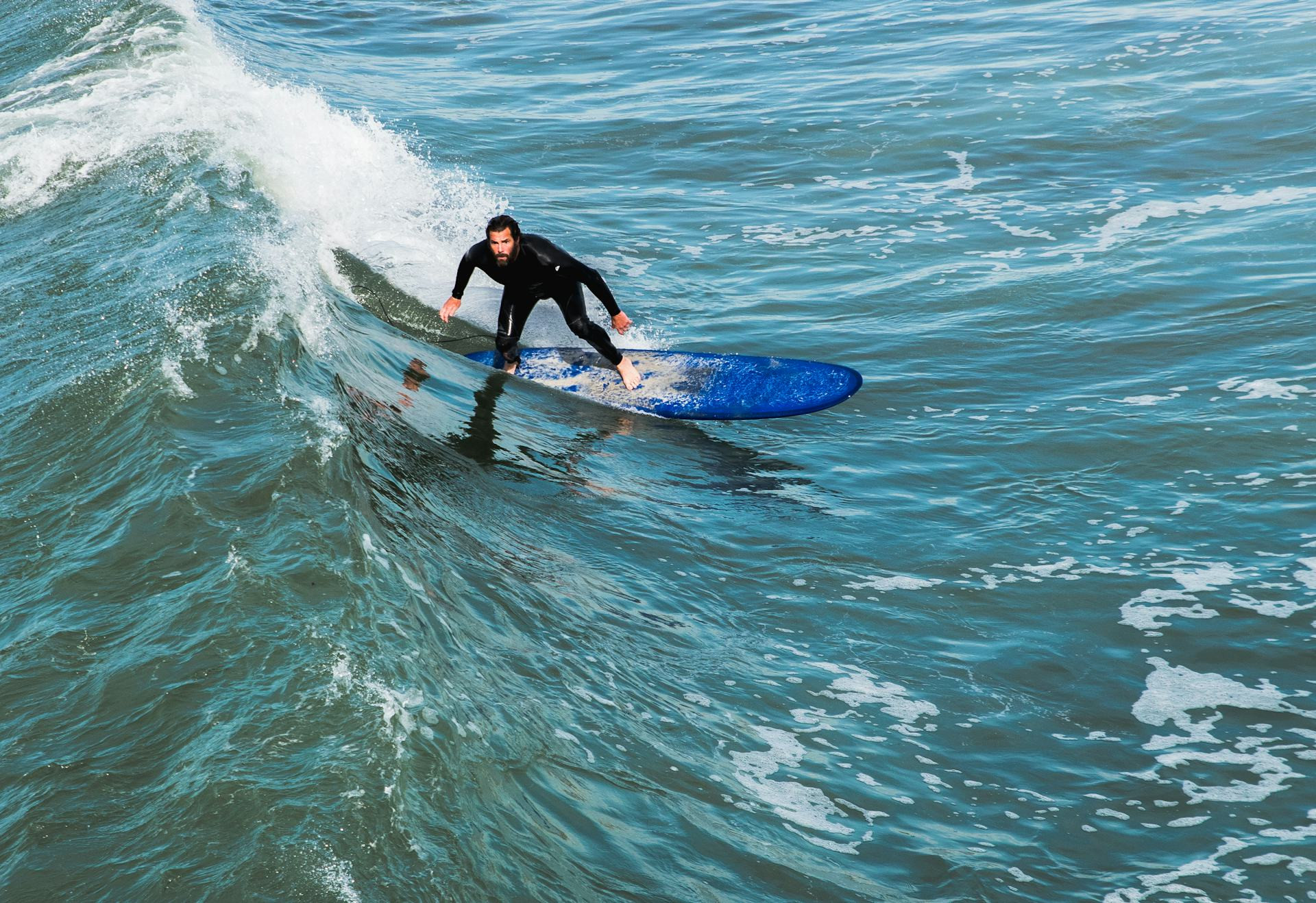
Discover how to read the ocean, master your timing, and turn every wave into your playground
Water
Water
3 min
Learn the secrets to riding waves with confidence and control. From understanding ocean dynamics to refining your technique and staying safe, this guide will help you elevate your windsurfing and make every session unforgettable.
Lucas Young
Lucas
Young

Ride the Waves Right – Learn to Make the Most of Them in Your Windsurfing

Discover how to read the ocean, master your timing, and turn every wave into your playground
Water
Water
3 min
Learn the secrets to riding waves with confidence and control. From understanding ocean dynamics to refining your technique and staying safe, this guide will help you elevate your windsurfing and make every session unforgettable.
Lucas Young
Lucas
Young

Mastering the waves is one of the most rewarding challenges in windsurfing. Once you learn to read the ocean’s rhythm and harness the energy of the waves, the sport takes on a whole new dimension. Whether you’re sailing off the coast of Maui, catching swells in Hood River, or exploring the Atlantic breaks of Cape Hatteras, it all comes down to timing, technique, and understanding the forces of nature. Here’s your guide to making the most of the waves in your windsurfing.

Understanding How Waves Work

Waves aren’t just moving water – they’re energy traveling through the ocean. When you understand how they form and move, you can start predicting their rhythm and using them to your advantage.

  • Swell vs. wind waves: Swell waves are generated far out at sea and travel long distances. They’re smooth and predictable – perfect for wave windsurfing. Wind waves, on the other hand, form closer to shore and tend to be choppier and less consistent.
  • Breaking waves: As a wave approaches shallow water, it rises and eventually breaks. That’s your moment to catch it and use its power to accelerate.
  • Wave sets: Waves often come in groups, or sets. Learn to watch the pattern so you can position yourself for the best one.

The better you get at reading the ocean, the easier it becomes to choose the right moment to start your ride.

Positioning and Timing

Being in the right place at the right time is everything. Too far out, and you’ll miss the wave; too close in, and you risk getting caught in the break zone.

  • Watch the line: Observe where the waves start to break and position yourself just outside that zone.
  • Start early: Begin sailing before the wave reaches you. As you feel it lift your board, adjust your stance and let the wind and wave work together.
  • Use the wind: Unlike surfers, you have the sail as an extra source of power. Use it to maintain speed until the wave takes over.

Finding the balance between wind and wave energy takes practice – but when you get it right, it feels like flying.

Technique: How to Ride the Wave

Once you’re on the wave, it’s all about control and flow. Here are some key techniques to keep in mind:

  • Keep your weight forward: This helps maintain speed and prevents the board from stalling.
  • Read the wave: Look ahead to see where it’s opening up. Turn your board along the wave’s face to keep your momentum.
  • Engage the rail: Lean into your turns so the board’s edge grips the water, giving you control through the curves.
  • Stay smooth: Small, controlled movements are better than big, jerky ones.

As you gain experience, you can start experimenting with bottom turns, cutbacks, and even aerials – but first, focus on mastering the basics.

Safety and Respect for the Ocean

Wave windsurfing is intense and demanding. The ocean can change quickly, so it’s important to know your limits.

  • Check the conditions: Wind direction, current, and tides all affect both safety and performance. Avoid offshore winds unless you’re highly experienced.
  • Wear proper gear: A good wetsuit, helmet, and impact vest can make a big difference.
  • Respect others: Give space to other surfers and windsurfers. Wait your turn and avoid cutting across someone’s line.
  • Know your spot: Learn where reefs, rocks, and currents are before heading out.

Safety isn’t just about protecting yourself – it’s about creating a respectful and safe environment for everyone on the water.

Training and Progression

Getting good at wave riding takes time and patience. Start in smaller conditions where you can practice technique without too much pressure.

  • Work on balance and footwork: Spend time on flat water to refine your stance and control.
  • Watch and learn: Study experienced riders – both in person and through videos. Notice how they position themselves and use the wave’s energy.
  • Take a lesson: A few hours with a qualified instructor can give you valuable feedback and help you break bad habits early.

The more you understand the interplay between wind, wave, and board, the more natural it will feel.

Enjoy the Experience

Wave windsurfing isn’t just about skill – it’s about freedom, connection with nature, and those moments when everything clicks. When you glide down a wave with the wind at your back and salt spray on your face, you’ll understand why so many people fall in love with the sport.

Take time to enjoy it. Every wave is different, and every session teaches you something new. That’s what makes windsurfing a lifelong passion.

Ten mistakes you must avoid as a new athlete
As a newbie to sports, it can be easy to make mistakes, but you can avoid them. This e-book gives you insight into common pitfalls and how you can train smarter and injury-free.
Download the e-book
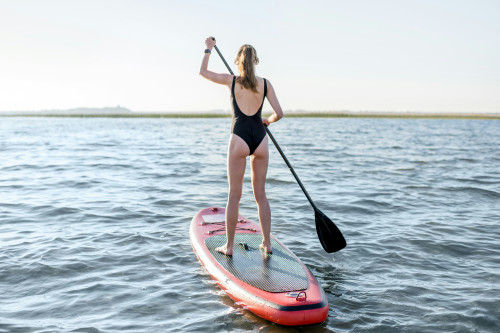
Choose the Right Paddleboard – Purpose, Experience, and Storage
Find the perfect paddleboard for your style, skill level, and storage space
Water
Water
Paddleboarding
Water Sports
Outdoor Activities
Fitness
Gear Guide
2 min
Whether you’re a beginner looking for stability or an experienced paddler chasing speed, choosing the right paddleboard makes all the difference. Learn how purpose, experience, and storage options influence your choice and discover which board best fits your lifestyle on the water.
Christopher Roberts
Christopher
Roberts
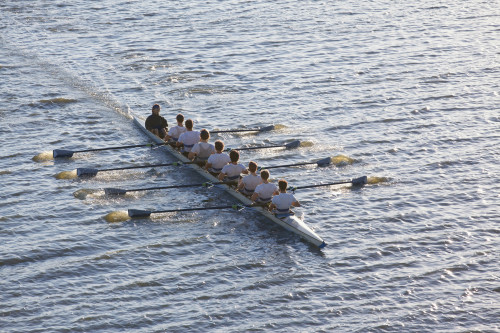
Row Your Way to Strength: How to Use Rowing as a Versatile Workout
Discover how rowing can build strength, boost endurance, and energize your entire body
Water
Water
Rowing
Fitness
Strength Training
Cardio Workout
Health and Wellness
2 min
Rowing offers a dynamic, full-body workout that challenges both muscles and mind. Learn how to make the most of this versatile exercise—whether you prefer the calm of open water or the convenience of an indoor rowing machine—and turn every stroke into progress toward your fitness goals.
Elijah Scott
Elijah
Scott
Back in the Water: How to Dive Safely and Confidently After a Break
Regain your confidence and safety as you return to the underwater world
Water
Water
Scuba Diving
Dive Safety
Diving Tips
Underwater Adventure
Diving Skills
5 min
Whether you’ve been away from diving for months or years, getting back in the water can feel both thrilling and uncertain. This guide helps you refresh your skills, check your gear, and rebuild your comfort so you can enjoy every dive with confidence and peace of mind.
Giovanni King
Giovanni
King
Lake, River, or Ocean? How the Water Environment Shapes Your Watersports Experience
Discover how different water environments influence your skills, safety, and enjoyment on the water
Water
Water
Watersports
Outdoor Adventure
Lakes
Rivers
Ocean
2 min
Whether you prefer the calm of a lake, the flow of a river, or the vastness of the ocean, each setting offers a unique watersports experience. Learn how the characteristics of these environments shape your adventure and help you choose the perfect spot for your next outing.
Ivy Davis
Ivy
Davis
Ride the Waves Right – Learn to Make the Most of Them in Your Windsurfing
Discover how to read the ocean, master your timing, and turn every wave into your playground
Water
Water
Windsurfing
Water Sports
Ocean Skills
Surf Technique
Adventure
3 min
Learn the secrets to riding waves with confidence and control. From understanding ocean dynamics to refining your technique and staying safe, this guide will help you elevate your windsurfing and make every session unforgettable.
Lucas Young
Lucas
Young
Different yoga mats explained in a simple way
Find the yoga mat that best suits your practice and your needs
Wellbeing
Wellbeing
Yoga
Yoga mat
Training equipment
Well-being
Buying guide
3 min
Get a clear understanding of the difference between yoga mats, and find the type that suits your practice. The article guides you through materials, thicknesses and brands, so you can choose the mat that provides the best support and grip.
Christopher Roberts
Christopher
Roberts
Different types of shuttlecocks – nylon, feather and hybrid
Find the shuttlecock that best suits your game and level
Wellbeing
Wellbeing
Badminton
Equipment
Training
Sport
Buying guide
5 min
Shuttlecocks come in many varieties – from durable nylon shuttles to precise feather shuttles and versatile hybrid models. Get an overview of the differences, and find the type of shuttlecock that best suits your game and level.
Elijah Scott
Elijah
Scott
Table tennis bats – compare models from different manufacturers
Find the bat that suits your playing style and improves your game
Wellbeing
Wellbeing
Table tennis
Training equipment
Sport
Equipment guide
Men’s box
5 min
A good table tennis bat can significantly improve your game. Get an overview of different types, materials and manufacturers and find the bat that best suits your playing style – whether you play for fun or in competition.
Giovanni King
Giovanni
King
Gymnastic rings – see the many types and designs
Train strength, balance and flexibility with a simple and versatile tool
Wellbeing
Wellbeing
Gymnastic rings
Training
Home training
Strength training
Fitness equipment
2 min
Gymnastic rings provide effective strength and stability training with minimal space. In the article, you get an overview of materials, types and brands, so you can find the gymnastic rings that best suit your training and level.
Ivy Davis
Ivy
Davis