Choose the Right Paddleboard – Purpose, Experience, and Storage

Choose the Right Paddleboard – Purpose, Experience, and Storage
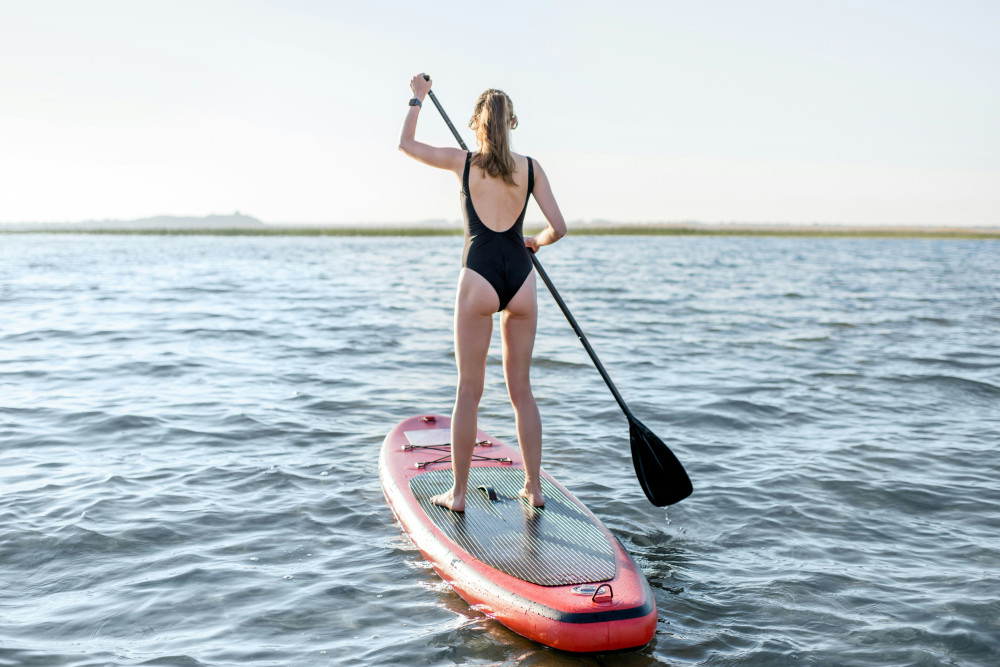
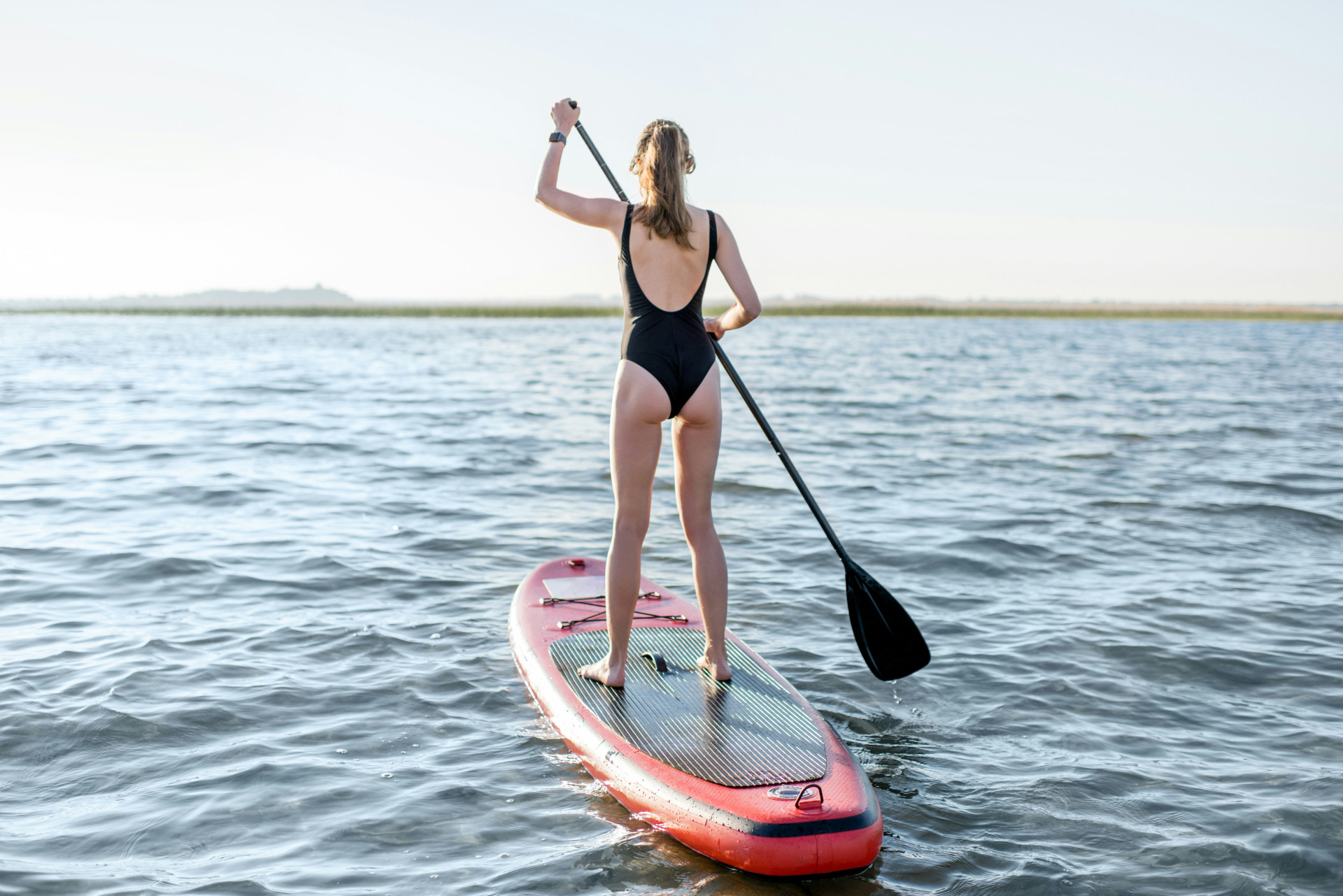
Paddleboarding has become one of the fastest-growing water sports in the United States. From calm lakes in the Midwest to coastal bays and rivers across the country, it’s a fun way to stay active, enjoy nature, and unwind on the water. But to get the most out of your experience, you need the right board for your needs. With so many types available, the difference between a stable all-around board and a narrow racing board can be significant. Here’s a guide to help you choose the right paddleboard based on purpose, experience, and storage options.
What Do You Want to Use Your Paddleboard For?
The first question to ask yourself is what kind of paddling you plan to do most often. Paddleboards come in different shapes and sizes, each designed for specific activities.
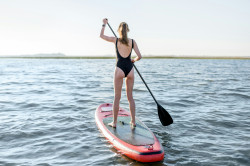
- All-around board – The most versatile choice for beginners and families. It’s wide, stable, and great for calm lakes, bays, and slow-moving rivers.
- Touring board – Longer and narrower than an all-around model. It glides efficiently through the water and is ideal for longer trips or exploring coastal areas.
- Race board – Sleek and fast, but less stable. Perfect for experienced paddlers who want to train seriously or compete.
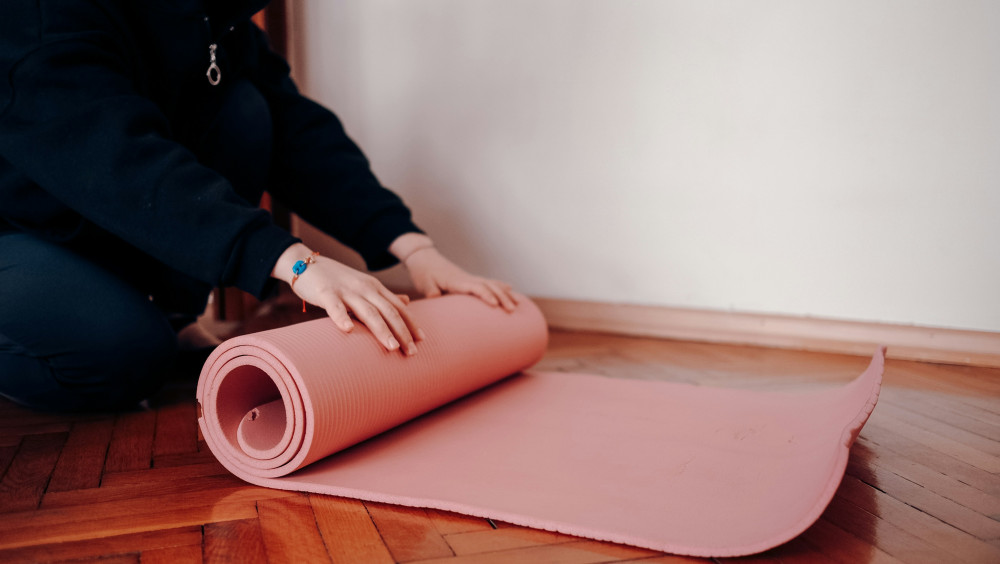
- Yoga or fitness board – Extra wide and stable, designed for balance-based workouts on the water.
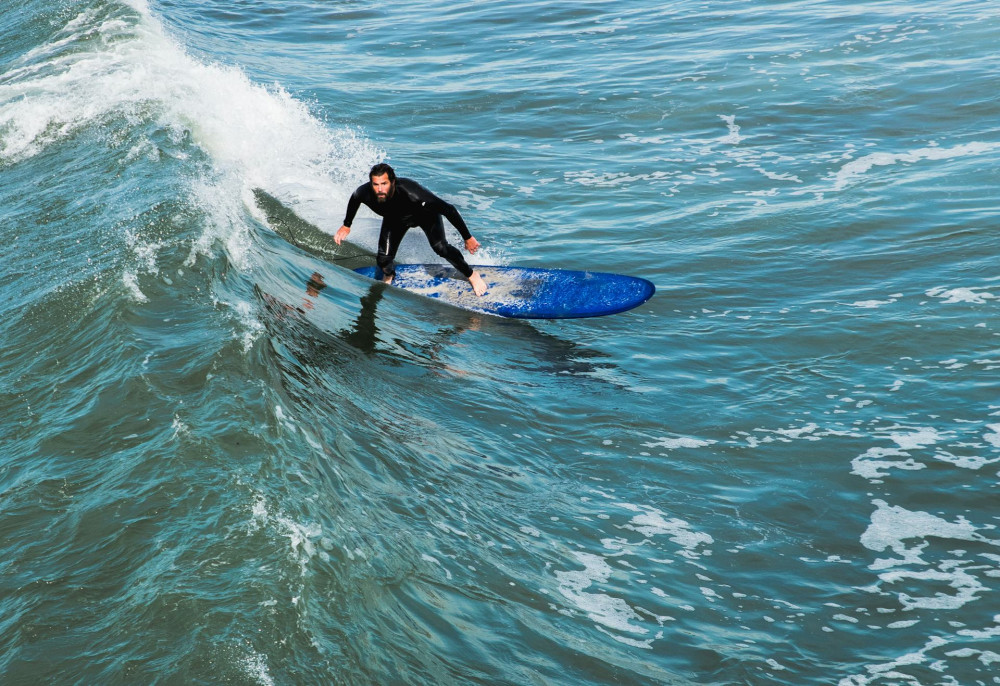
- Surf or wave board – Short and maneuverable, built for catching waves and enjoying a surf-like experience.
Once you know your main purpose, it becomes much easier to find a board that fits your style and goals.
Læs også:
Experience and Balance – Match the Board to Your Skill Level
Your paddleboard should match your experience and balance skills. If you’re new to the sport, start with a wide, stable board that forgives small mistakes. A width of around 32–34 inches offers a good balance between stability and glide.
More advanced paddlers can choose narrower boards for higher speed and better tracking. These boards require stronger balance and technique, especially in choppy water.
Also, consider your weight. Manufacturers list a maximum weight capacity—choose a board that can support you and any gear you plan to bring without sinking too deep into the water.
Inflatable or Hard Board?
One of the biggest decisions is whether to go with an inflatable (iSUP) or a hard (solid) paddleboard.
- Inflatable board (iSUP): Easy to transport and store. It packs into a backpack and inflates in minutes. Great for beginners, families, and anyone short on storage space.
- Hard board: Offers better performance, especially at higher speeds or in surf conditions. It provides a more direct feel of the water but requires more storage space and careful handling.
For most recreational paddlers in the U.S., an inflatable board is the most practical and convenient choice.
Storage and Transportation
Taking care of your paddleboard ensures it lasts for many seasons. How you store it depends on the type.
- Inflatable boards should be rinsed with fresh water after use, dried completely, and rolled up. Store them in a cool, dry place—like a closet, garage, or car trunk.
- Hard boards should be stored on wall racks or padded stands to prevent pressure dents. Avoid prolonged direct sunlight, as UV rays can damage the surface.
If you plan to travel often, an inflatable board is much easier to manage. It fits in your car, RV, or even on a plane. A hard board requires roof racks and a bit more planning.
Gear That Enhances Your Experience
A good paddleboard is just the start. The right accessories make your time on the water safer and more enjoyable:
- Pump and pressure gauge – Essential for inflating iSUPs.
- Leash – Keeps you connected to your board if you fall off.
- Personal flotation device (PFD) – Required by the U.S. Coast Guard for most waterways and always a smart safety choice.
- Adjustable paddle – Lets you fine-tune the length for your height and paddling style.
- Dry bag – Protects your phone, keys, and extra clothes from water.
With the right gear, you can focus on the fun and freedom of paddling instead of worrying about logistics.
Finding Your Perfect Match
The best paddleboard is the one that fits your lifestyle—not necessarily the most expensive or advanced model. Think about where you’ll paddle, how often you’ll go, and how much space you have for storage.
If you’re unsure, try renting or demoing a few different boards before buying. You’ll quickly get a feel for what works best for you.
Once you’ve found your perfect board, you’re ready for countless hours of adventure, exercise, and peace on the water—wherever your paddling journey takes you.
Læs også: