Lake, River, or Ocean? How the Water Environment Shapes Your Watersports Experience

Lake, River, or Ocean? How the Water Environment Shapes Your Watersports Experience
When you head out on the water—whether to paddle, sail, surf, or swim—the environment you choose makes all the difference. A calm lake, a flowing river, and the open ocean each offer unique challenges, moods, and rewards. Understanding these differences can help you pick the perfect spot for your next watersports adventure and make the most of your time outdoors.
The Lake – Calm, Accessible, and Family-Friendly
Lakes are often the most peaceful and accessible water environments. With minimal waves and no strong currents, they’re ideal for beginners, families, and anyone looking for a relaxing day on the water. The predictable conditions make it easier to focus on technique and enjoy the surrounding scenery.
Advantages:
- Smooth, steady water—great for learning balance and control.
- Close proximity to shore—adds a sense of safety for newcomers.
- Often surrounded by parks or forests, perfect for combining paddling with a picnic or hike.
Challenges:
- Warm, still water in summer can lead to algae growth.
- Limited space for long-distance or high-speed activities.
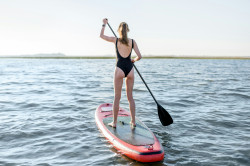
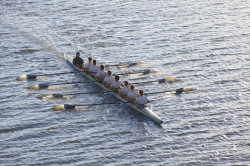
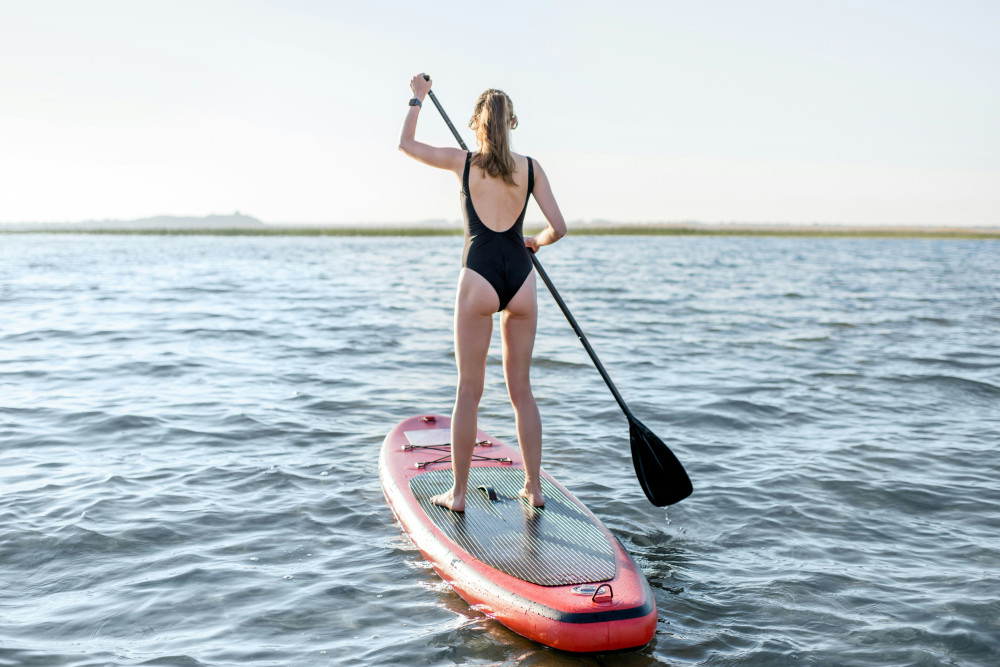
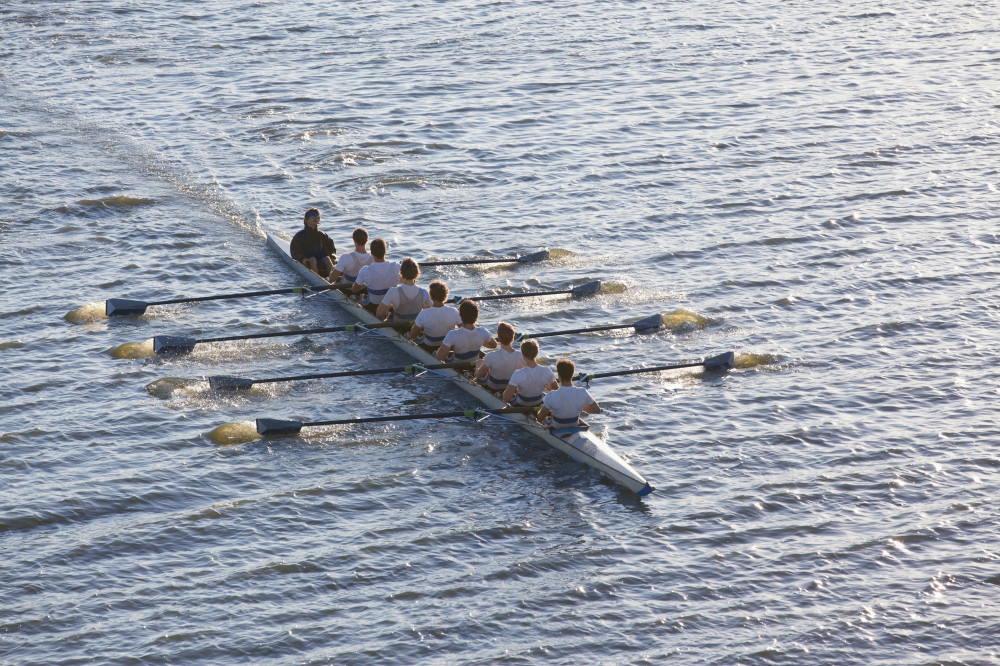
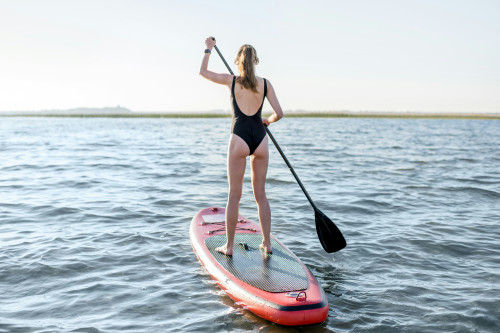
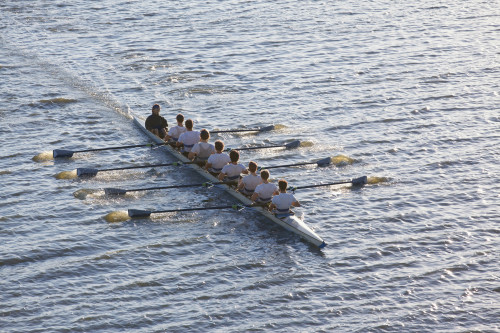
Lakes are perfect for stand-up paddleboarding (SUP), kayaking, canoeing, and rowing practice. They’re also great places to introduce kids to water safety and basic paddling skills. Popular U.S. spots include Lake Tahoe, Lake Michigan, and the many lakes of Minnesota—each offering calm waters and beautiful natural settings.
The River – Movement, Skill, and Adventure
Rivers bring a sense of motion and rhythm that’s completely different from a lake. The current adds both challenge and excitement, requiring more technique and awareness. Whether you’re floating down a gentle stretch or navigating rapids, rivers connect you directly to the pulse of nature.
Advantages:
- The current helps propel you forward—ideal for longer journeys.
- Ever-changing scenery and wildlife along the banks.
- A sense of exploration and connection to the landscape.
Challenges:
- Currents, rocks, and fallen branches demand attention and skill.
- You need to plan your route and know where to put in and take out.
- Some rivers require permits or have restricted access.
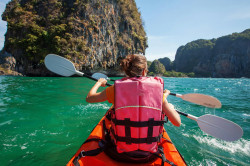
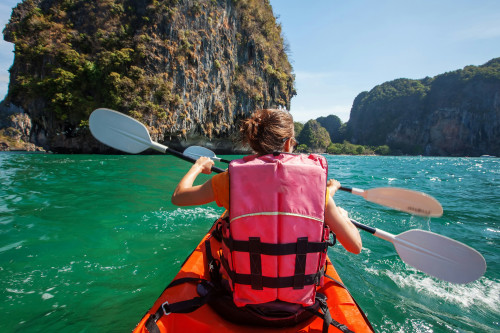
Rivers are perfect for those seeking a more active and technical experience—especially in a kayak, canoe, or raft. From the calm stretches of the Mississippi to the whitewater of the Colorado River, each river offers its own rhythm and personality.
The Ocean – Power, Freedom, and Respect
The ocean is the most demanding yet awe-inspiring water environment. Here, you face wind, waves, and tides that can change quickly. It requires preparation, experience, and respect—but the reward is a sense of freedom and connection to nature that’s unmatched.
Advantages:
- Endless horizon and open space for exploration.
- Ideal for surfing, sailing, windsurfing, and coastal kayaking.
- A powerful, immersive experience with the elements.
Challenges:
- Weather and sea conditions can shift rapidly—experience and safety gear are essential.
- Saltwater can be tough on equipment and skin.
- Strong currents and waves can be dangerous for beginners.
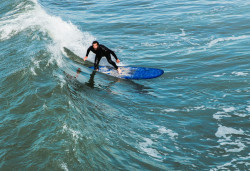
The ocean is for those who crave challenge and adventure. Whether you’re surfing in California, sailing off the coast of Maine, or paddling through Florida’s mangroves, the sea offers both beauty and unpredictability.
Choosing the Right Water Environment
When deciding where to go, think about your skill level, your goals, and the kind of experience you want.
- Looking for peace and nature? Choose a lake.
- Want to feel movement and flow? Try a river.
- Ready for power and challenge? Head to the ocean.
Many watersports enthusiasts find that switching between environments helps them grow their skills and appreciation for the water in all its forms.
Læs også:
Safety and Environmental Awareness
No matter where you go, safety comes first. Always wear a life jacket, check the weather forecast, and let someone know your plans. Respect the environment by avoiding wildlife disturbance and packing out all trash.
The water isn’t just a backdrop—it’s a living part of your experience. When you learn to understand and respect it, you’ll not only have a better time on the water but also build a deeper connection to the natural world.
Læs også: