Yoga Through Life’s Transitions: Finding Peace and Acceptance in Change

Yoga Through Life’s Transitions: Finding Peace and Acceptance in Change
Life moves in cycles. Some transitions happen quietly, almost unnoticed, while others arrive with the force of a storm — when children leave home, when careers shift, when we lose someone dear, or when our bodies change with age. In these moments, yoga can serve as an anchor, helping us find calm, acceptance, and balance amid uncertainty.
The Body as a Mirror of Change
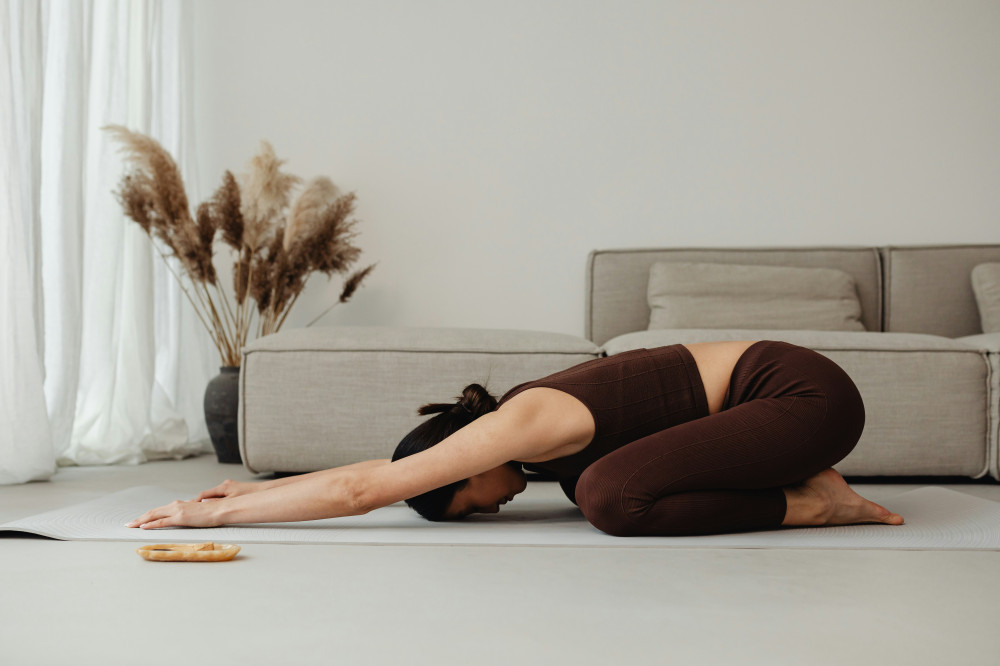
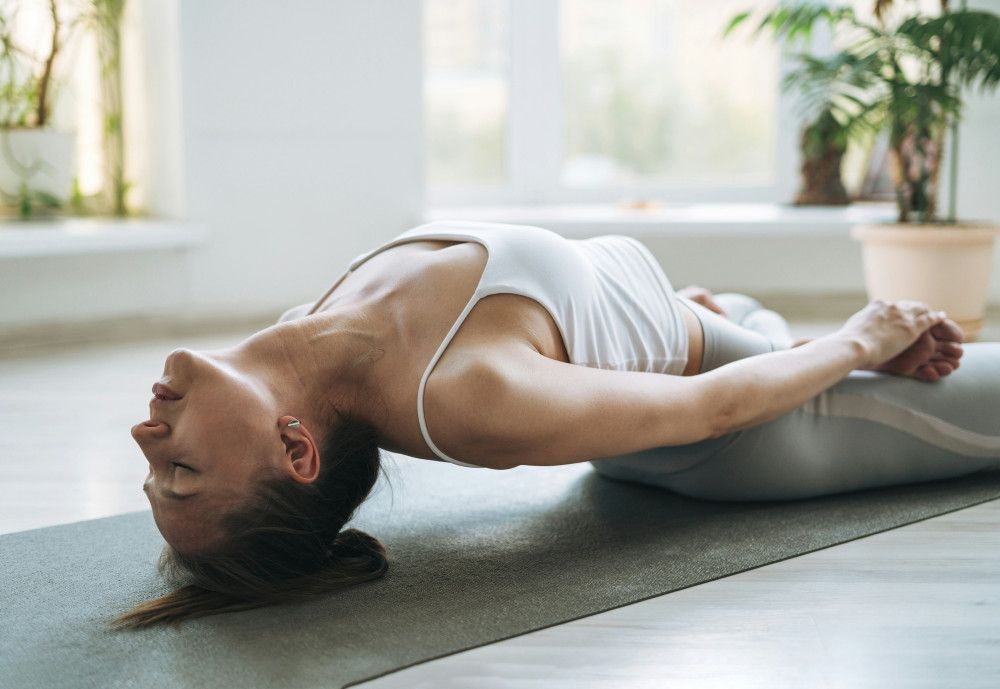
Transitions often show up first in the body. Maybe your shoulders tighten, your sleep becomes restless, or your energy fluctuates. Yoga invites you to listen to your body rather than resist it. Through gentle movement, mindful breathing, and presence, you can begin to understand what your body is communicating — and respond with compassion instead of frustration.
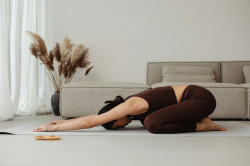
Yoga isn’t about performance; it’s about presence. A soft, mindful practice can help you feel where you are right now and create space for both strength and vulnerability.
The Breath as a Path to Calm
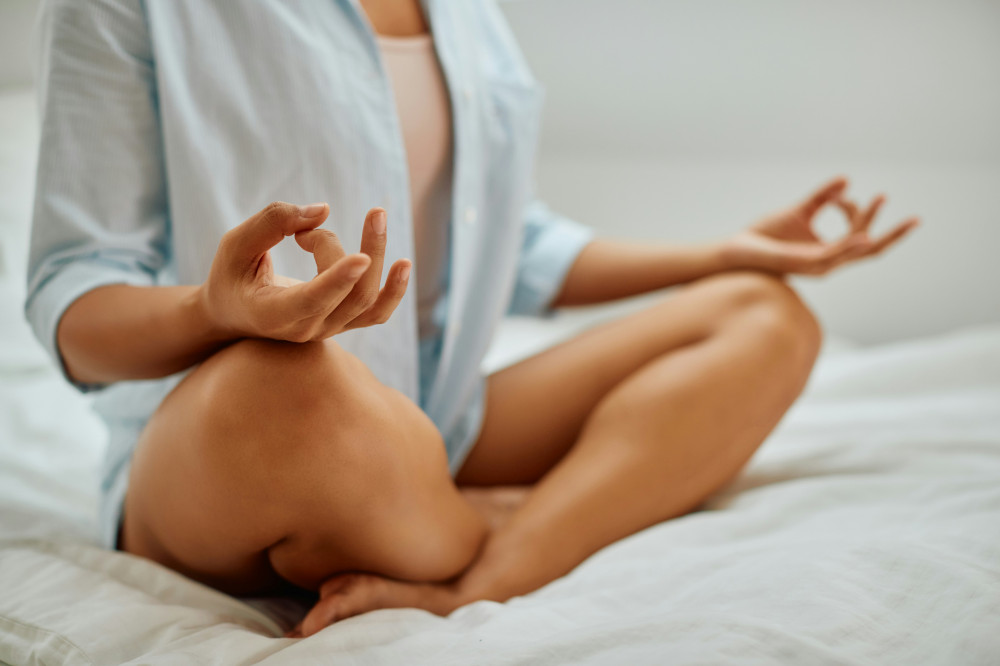
When life feels unpredictable, your breath can be your most reliable guide. In yoga, the breath is used to calm the nervous system and bring clarity to the mind. Simple techniques — like slow, deep belly breathing or steady inhalations and exhalations through the nose — can ease stress and restore a sense of stability.
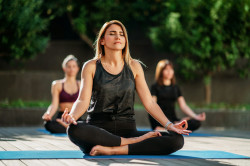
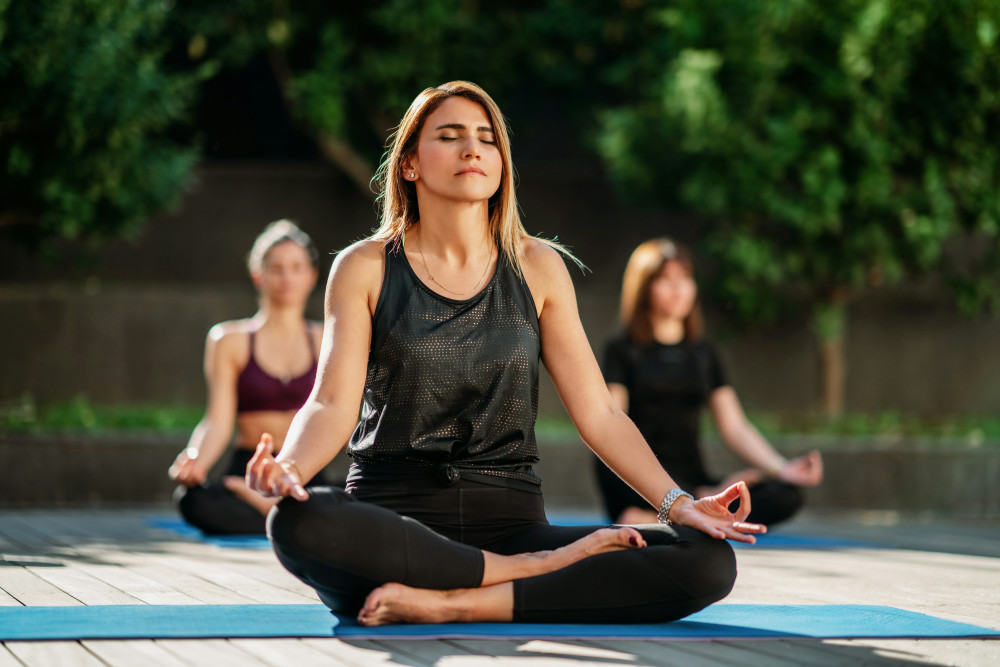
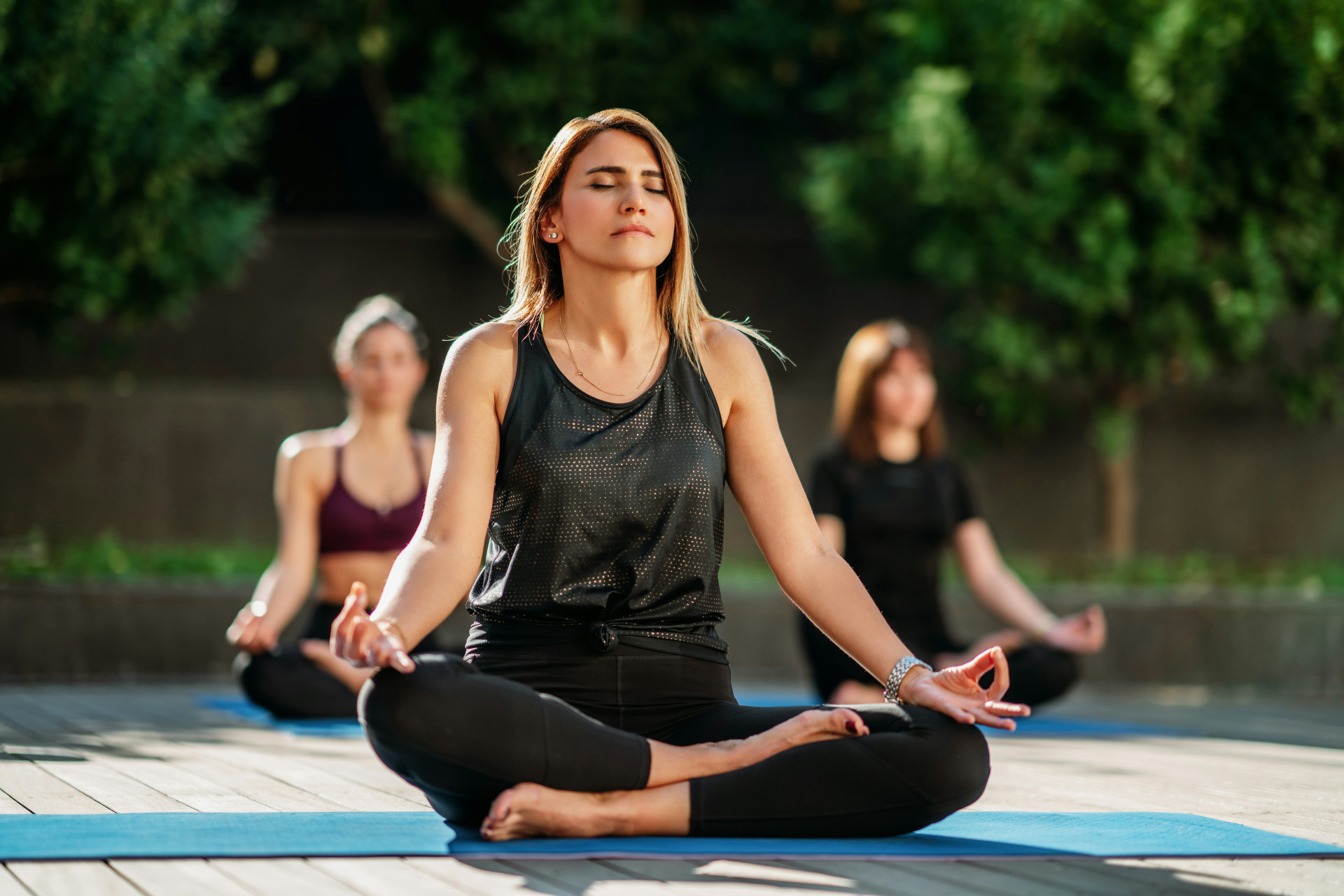
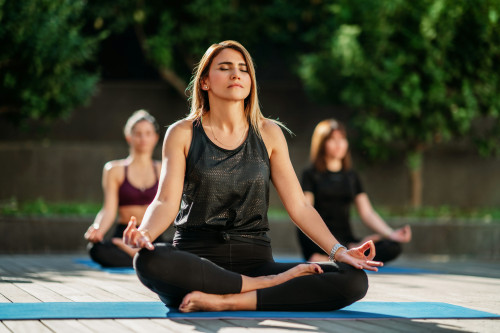
Try sitting quietly for a few minutes, closing your eyes, and following your breath. Notice how each inhale brings energy and each exhale releases tension. This small practice can bring peace even in the midst of great change.
Læs også:
Yoga as Support Through Life’s Stages
Every stage of life brings its own challenges — and its own opportunities. Yoga can be adapted to meet you wherever you are.
- In young adulthood, yoga can help cultivate focus and balance in a fast-paced world full of choices and ambitions.
- In midlife, it can reconnect you with your body and inner self, especially when career, family, and responsibilities feel overwhelming.
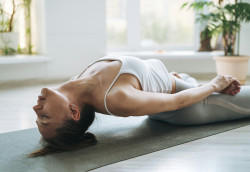
- During menopause or other physical transitions, gentle yoga and breathwork can ease symptoms like hot flashes or sleeplessness while nurturing calm and acceptance.
- In later years, yoga can help maintain flexibility, strength, and joy — and offer a space for reflection and gratitude.
No matter your age, yoga isn’t about mastering poses; it’s about finding harmony in body and mind.
Acceptance as a Core Practice
Many people come to yoga seeking energy or strength, but often the greatest gift is acceptance. When we learn to meet our bodies, minds, and lives as they are, a deeper peace emerges. Yoga reminds us that change is a natural part of life — and that we can move with it rather than against it.
Acceptance doesn’t mean giving up; it means acknowledging reality as it is and acting from that place. This is where yoga’s philosophy and practice meet: in the ability to be present with what is, without judgment.
Creating Your Own Space for Change
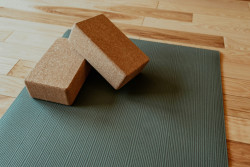
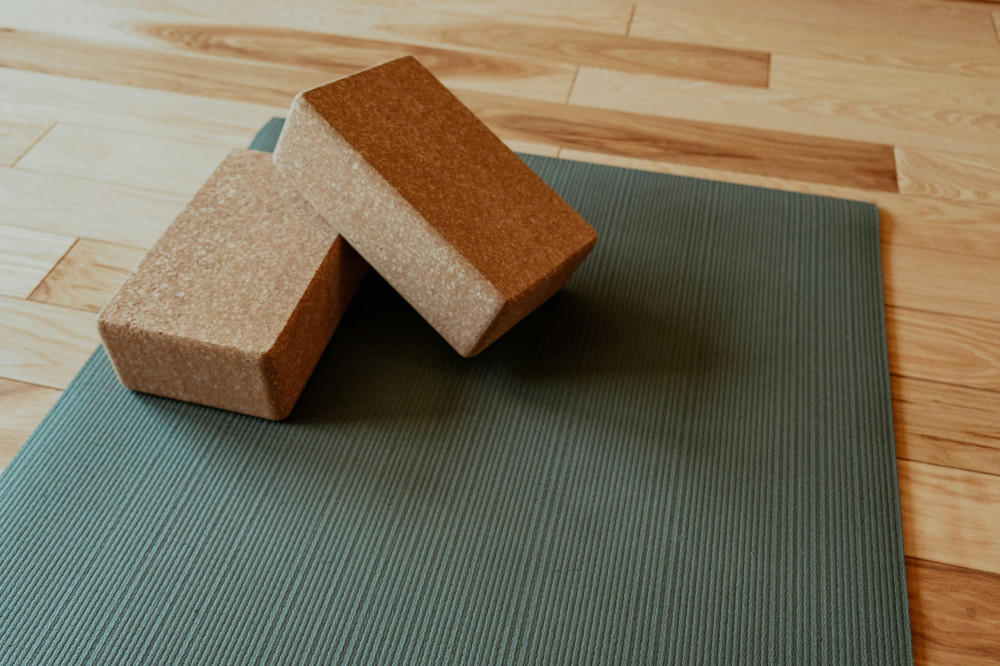
You don’t need a studio or special equipment to begin. A quiet corner, a mat, and a few minutes a day are enough. What matters most is creating a space where you can breathe freely and reconnect with yourself.
Start with small rituals — perhaps a few sun salutations in the morning or a short relaxation before bed. Over time, you may find that yoga becomes more than something you do on the mat; it becomes a way of meeting life itself — with calm, curiosity, and openness.
Embracing Change as Life’s Rhythm
Yoga teaches us that everything is in motion — including ourselves. When we accept that truth, transitions become not just challenges but opportunities for growth. Each change holds the potential to learn, to release, and to reconnect more deeply with who we are.
Finding peace in change isn’t about standing still; it’s about moving with life — guided by the breath, grounded in the body, and open to the unfolding journey.
Læs også: