Which Type of Yoga Is Right for You? A Beginner’s Guide

Which Type of Yoga Is Right for You? A Beginner’s Guide
Yoga has become a staple in many Americans’ wellness routines — as a workout, a stress reliever, or a way to find calm in a busy world. But with so many different styles, it can be hard to know where to start. Should you try gentle Hatha, energetic Vinyasa, or meditative Yin? Here’s a guide to some of the most popular yoga styles to help you find the one that fits you best.
Hatha – The Classic Foundation
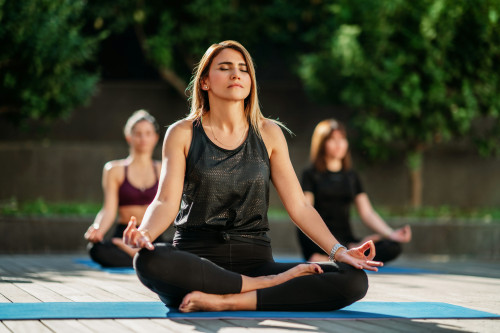
Hatha yoga is a great place to begin if you’re new to yoga. It’s a slower-paced, foundational style that focuses on basic postures (asanas), breathing techniques, and relaxation. The pace is moderate, and the emphasis is on proper alignment and mindful movement.
Hatha is ideal if you want to build strength and flexibility at a comfortable pace while learning the fundamentals of yoga philosophy. Many other yoga styles are rooted in Hatha principles.
Best for: Beginners who want a balanced introduction to yoga that nurtures both body and mind.
Vinyasa – Flow and Energy
Vinyasa yoga is more dynamic and physically engaging than Hatha. You move through a flowing sequence of poses, synchronized with your breath. The continuous movement creates a sense of rhythm and energy, raising your heart rate while strengthening your body.
Each instructor designs their own flow, so no two classes are exactly alike. This makes Vinyasa a creative and invigorating practice that challenges both balance and focus.
Best for: Those who enjoy movement, want a good workout, and like combining mindfulness with physical activity.
Læs også:
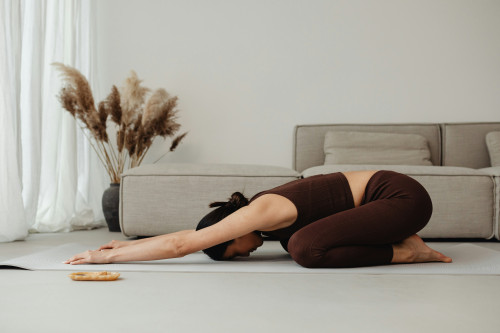
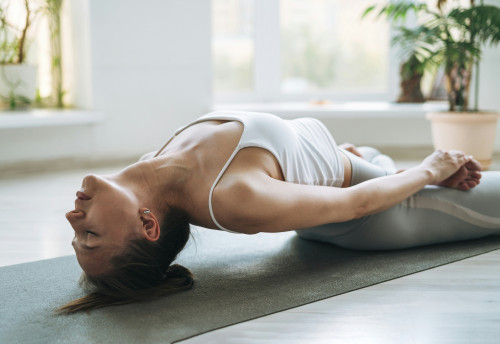
Yin – Stillness and Deep Stretching
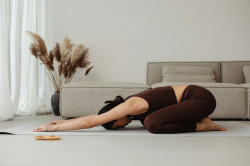
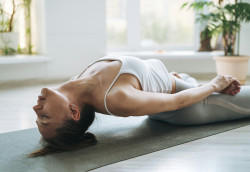
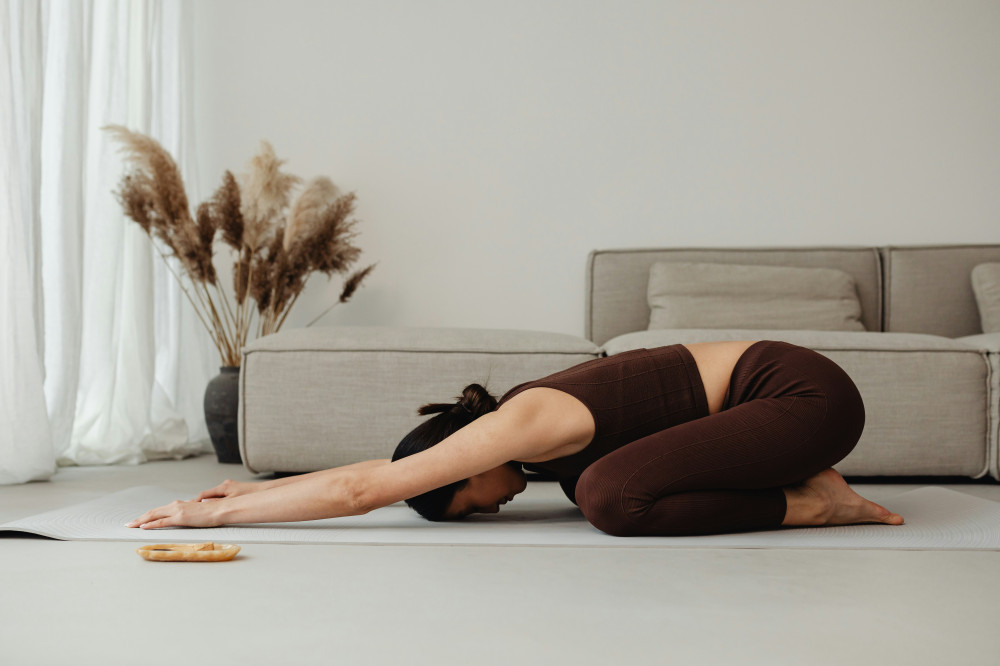
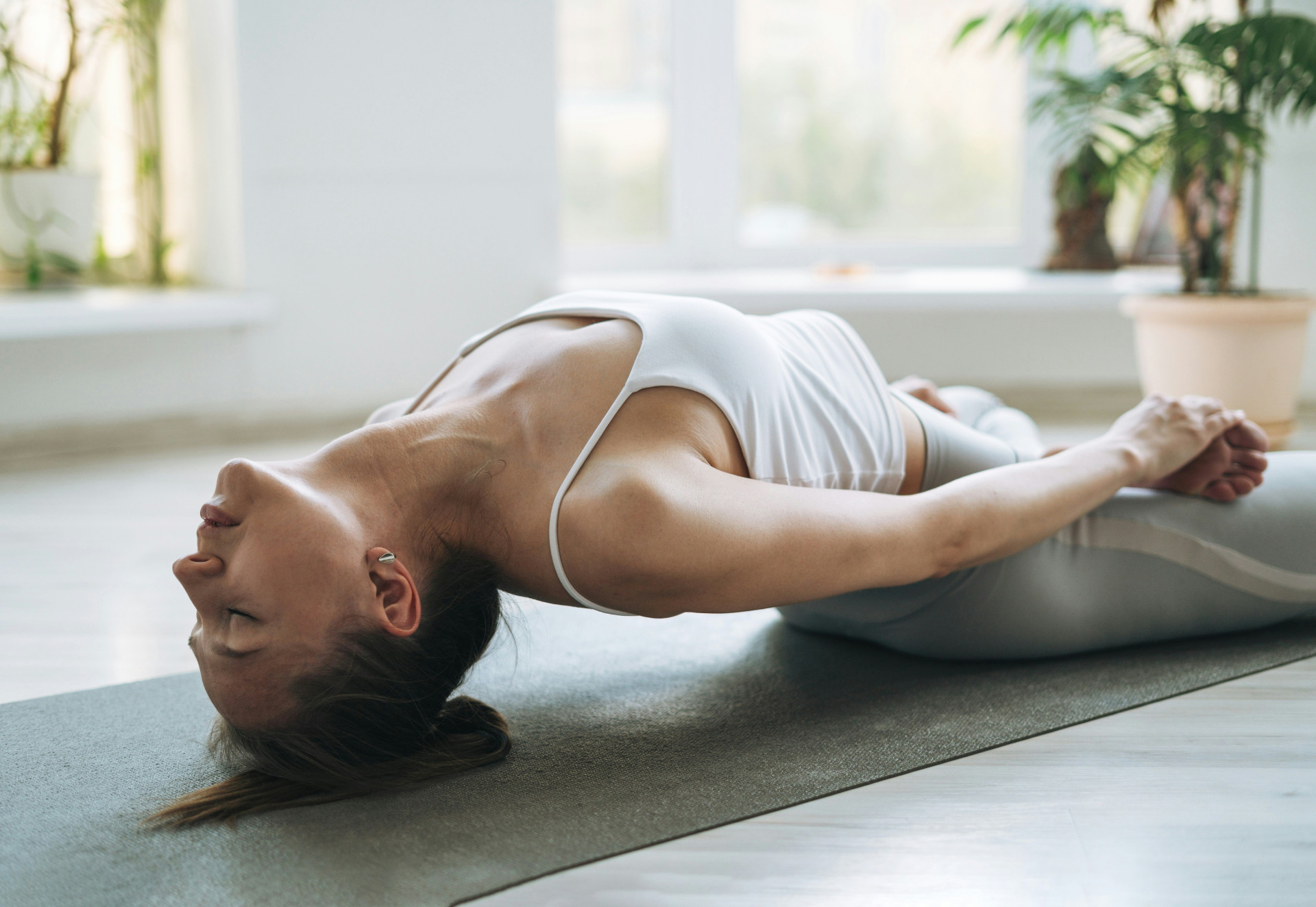
Yin yoga is the opposite of the more active styles. You hold each pose for several minutes, allowing your muscles and connective tissues to release gradually. It’s less about effort and more about surrendering and creating space in the body.
Yin is especially beneficial if you have a busy lifestyle, do a lot of high-intensity exercise, or need to unwind. Many people find it helps reduce stress and improve sleep by calming the nervous system.
Best for: Anyone seeking relaxation, recovery, and a meditative approach to yoga.
Ashtanga – Structure and Strength
Ashtanga yoga follows a set sequence of poses performed in the same order each time. It’s a physically demanding practice that builds strength, endurance, and focus. Over time, you memorize the sequence and move through it at your own pace.
While it can feel intense at first, many practitioners appreciate the discipline and consistency that Ashtanga offers. The repetition allows for deep concentration and steady progress.
Best for: Those who thrive on routine, enjoy physical challenges, and appreciate structure in their practice.
Restorative – Deep Relaxation
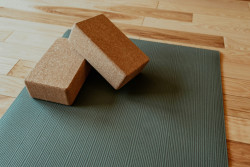
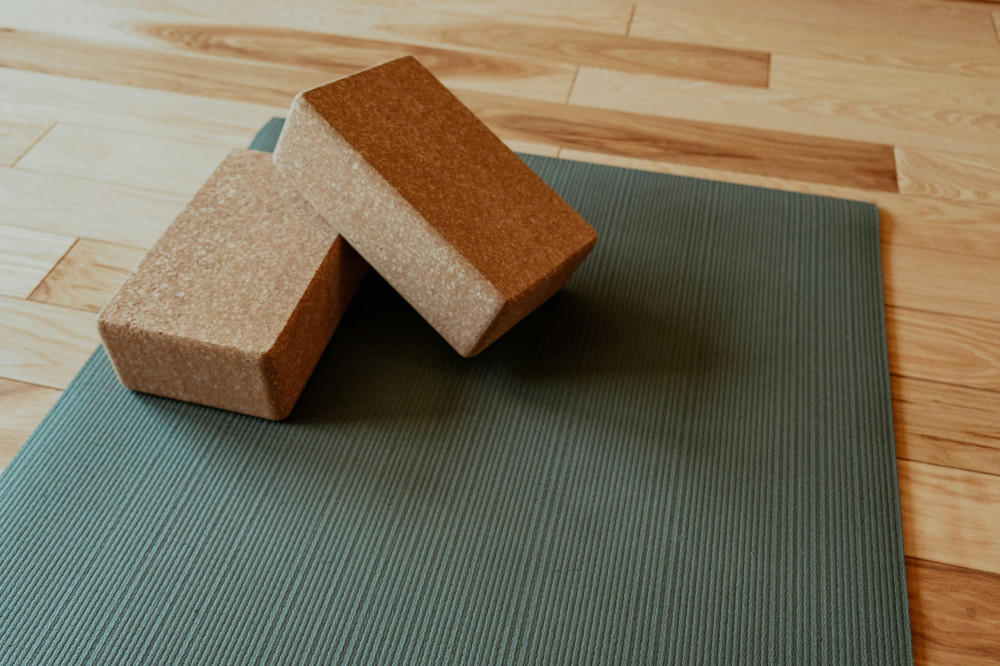
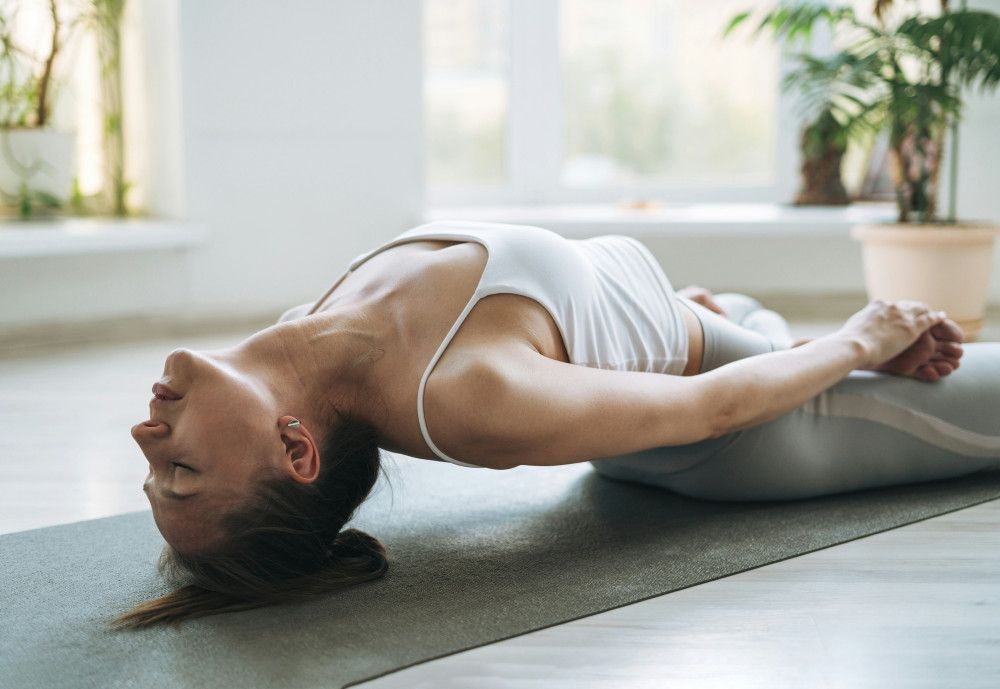
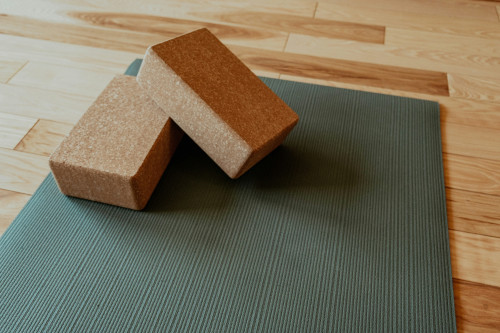
Restorative yoga is all about rest and recovery. You use props like bolsters, blankets, and blocks to fully support your body in gentle poses while focusing on deep relaxation. It’s the yoga equivalent of pressing the pause button.
This style is especially helpful if you’re dealing with stress, fatigue, or recovering from illness or injury. It’s also a wonderful complement to more active forms of exercise.
Best for: Anyone who needs to slow down, recharge, and restore balance.
Hot Yoga – Heat and Intensity
Hot yoga (often associated with Bikram) takes place in a heated room, typically around 95–105°F. The warmth helps increase flexibility and promotes sweating, which can feel detoxifying. Classes usually follow a set sequence of poses, and the intensity level is high.
It’s important to stay hydrated and listen to your body — the heat can be challenging, especially for beginners.
Best for: Those who love a good sweat, want a vigorous workout, and enjoy pushing their limits.
How to Choose the Right Style for You
It all depends on what you’re looking for. If you want to build strength and get your heart rate up, try Vinyasa, Ashtanga, or Hot Yoga. If you’re seeking calm and introspection, start with Hatha, Yin, or Restorative yoga. Many people find balance by mixing styles — for example, an active class during the week and a relaxing one on the weekend.
The most important thing is to find a teacher and environment where you feel comfortable. Yoga isn’t about perfection or performance — it’s about balance, awareness, and connection.
Getting Started
Begin with a beginner-friendly class where you can learn the basics of poses and breathing. Go at your own pace, and remember that yoga is a journey, not a destination. Over time, you’ll notice how your practice influences not just your body, but also your mood and mindset.
Whichever style you choose, the key is to enjoy the process. Yoga isn’t just something you do on the mat — it’s a way of being present in your everyday life.
Læs også: