Breathe Consciously – Calm Your Mind and Create Mental Clarity

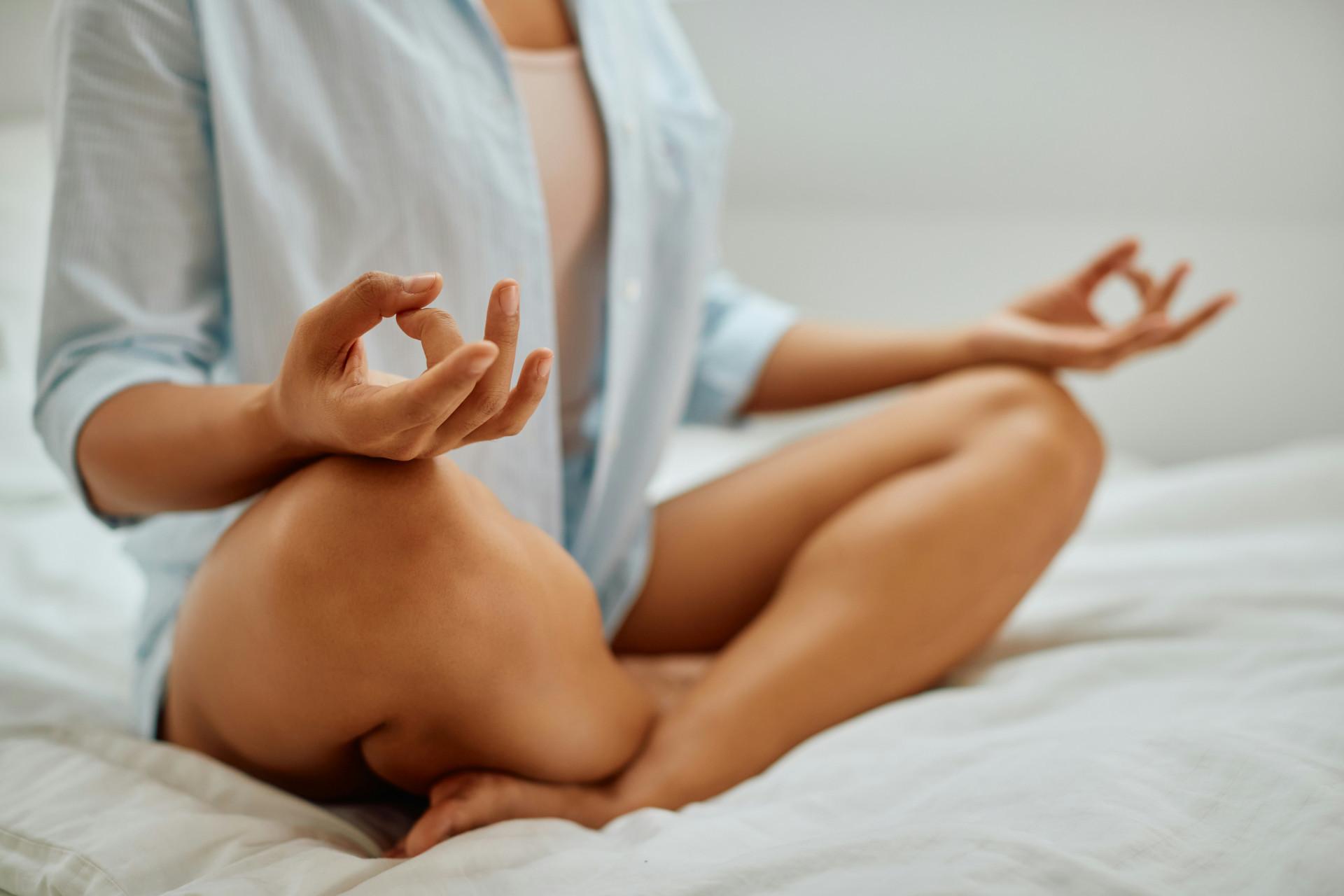
Discover how mindful breathing can bring peace, focus, and balance to your everyday life
Mindfulness
Mindfulness
4 min
Learn how conscious breathing can help you slow down, release stress, and regain mental clarity in a busy world. This article guides you through simple techniques to calm your mind and reconnect with yourself through the power of breath.
Lucas Young
Lucas
Young

Breathe Consciously – Calm Your Mind and Create Mental Clarity

Discover how mindful breathing can bring peace, focus, and balance to your everyday life
Mindfulness
Mindfulness
4 min
Learn how conscious breathing can help you slow down, release stress, and regain mental clarity in a busy world. This article guides you through simple techniques to calm your mind and reconnect with yourself through the power of breath.
Lucas Young
Lucas
Young

In a world that moves faster every day, our minds rarely get a moment’s rest. Between work deadlines, constant notifications, and the pressure to stay productive, it’s easy to feel mentally overloaded. But there’s a simple, powerful way to find calm amid the noise: your breath. By learning to breathe consciously, you can quiet your thoughts, ease stress, and restore mental clarity.

Why Your Breath Matters

Breathing is the body’s most natural rhythm—and it’s also a direct bridge between body and mind. When you’re stressed, your breathing tends to become shallow and rapid. This signals to your brain that you’re in danger, keeping your body in a state of alert and tension.

When you slow your breath and make it deeper, you activate the body’s relaxation response. Your heart rate drops, your muscles loosen, and your mind begins to settle. Conscious breathing isn’t just a relaxation trick—it’s a way to regulate your entire nervous system and bring yourself back into balance.

Start by Noticing Your Breath

Before you can change your breathing, you need to notice it. Sit somewhere quiet and simply observe how you’re breathing right now. Are you breathing through your nose or mouth? Does your chest rise, or does your belly move with each breath?

Many people discover that they breathe high in the chest, which limits oxygen intake and can heighten feelings of anxiety. Try instead to let your breath sink lower into your abdomen. As you inhale, let your belly expand gently; as you exhale, let it fall back naturally. This small shift can make a big difference in how calm and grounded you feel.

A Simple Exercise for Calm and Focus

One of the most effective ways to calm your mind is to lengthen your exhale. A longer exhale tells your body that it’s safe to relax. Try this short exercise:

  1. Sit comfortably with your back straight.
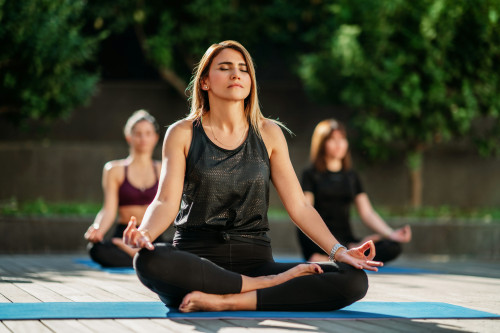
  2. Close your eyes and inhale through your nose for four seconds.
  3. Hold your breath briefly.
  4. Exhale slowly through your mouth for six seconds.
  5. Repeat for a few minutes.

As you get used to the rhythm, you can extend the exhale even more. You can do this exercise anywhere—at your desk, in your car, or before bed—and it can help you reset whenever life feels overwhelming.

When Your Thoughts Start Racing

Racing thoughts often come from trying to control or analyze everything that’s happening. Conscious breathing helps you step out of that mental loop. Instead of fighting your thoughts, let them come and go while you keep your attention on your breath.

Imagine your thoughts as clouds drifting across the sky. You don’t have to chase them—you can just sit and breathe. The more you practice, the easier it becomes to find stillness even when your mind is busy.

Create Small Breathing Breaks in Your Day

You don’t need long meditation sessions to benefit from conscious breathing. What matters most is creating small pauses throughout your day to reconnect with your breath.

  • In the morning: Take three deep breaths before checking your phone.
  • At work: Pause for a minute of slow breathing before a meeting or after finishing a task.
  • After work: Use your breath to mark the transition from work mode to personal time.
  • Before bed: Lie on your back and follow your breath until your body relaxes.

These small moments may seem insignificant, but they help restore balance and prevent stress from building up.

A Tool for Mental Clarity

When you breathe consciously, you don’t just calm your body—you clear your mind. A calm mind makes better decisions, focuses more easily, and reacts less impulsively. Many people find that using the breath as an anchor helps them stay centered, even in challenging situations.

Conscious breathing isn’t a quick fix; it’s a practice. The more often you return to your breath, the more natural it becomes to find calm and clarity, no matter what’s happening around you.

Breathe – and Come Home to Yourself

Conscious breathing is a way of coming home to yourself. It doesn’t require special tools or techniques—just awareness. Each time you pause and notice your breath, you remind your body and mind that you are here, in this moment. And in that simple awareness, the noise begins to fade, and clarity has space to emerge.

Ten mistakes you must avoid as a new athlete
As a newbie to sports, it can be easy to make mistakes, but you can avoid them. This e-book gives you insight into common pitfalls and how you can train smarter and injury-free.
Download the e-book
Yoga Through Life’s Transitions: Finding Peace and Acceptance in Change
Discover how yoga can help you navigate life’s changes with calm, strength, and self-compassion
Mindfulness
Mindfulness
Yoga
Mindfulness
Life Transitions
Wellbeing
Personal Growth
6 min
From major life shifts to subtle transitions, yoga offers tools to stay grounded and open-hearted through it all. Learn how mindful movement, breath, and acceptance can support you in embracing change as a natural rhythm of life.
Christopher Roberts
Christopher
Roberts
Yoga blocks in foam, cork and other materials – see the differences
Find the yoga block that best suits your training and level
Mindfulness
Mindfulness
Yoga
Training equipment
Yoga block
Cork
Foam
3 min
Yoga blocks provide support, balance and better technique in your practice. Read about the differences between foam, cork and wooden blocks, and find out which type best suits your yoga style and experience.
Elijah Scott
Elijah
Scott
Small Actions, Big Impact: Boost Your Self-Care with Yoga
Discover how simple yoga practices can transform your daily routine and nurture your well-being
Mindfulness
Mindfulness
Yoga
Self-Care
Mindfulness
Wellness
Healthy Lifestyle
5 min
Even a few mindful moments can make a world of difference. Learn how small, consistent yoga practices can help you slow down, reconnect with yourself, and build a sustainable self-care routine that supports both body and mind.
Giovanni King
Giovanni
King
Which Type of Yoga Is Right for You? A Beginner’s Guide
Discover the yoga style that matches your goals, energy, and lifestyle
Mindfulness
Mindfulness
Yoga
Wellness
Fitness
Mindfulness
Beginner Guide
5 min
From calming Hatha to powerful Ashtanga, yoga offers something for everyone. Learn the key differences between popular styles and find the perfect practice to support your body, mind, and well-being.
Ivy Davis
Ivy
Davis
Breathe Consciously – Calm Your Mind and Create Mental Clarity
Discover how mindful breathing can bring peace, focus, and balance to your everyday life
Mindfulness
Mindfulness
Mindfulness
Stress Relief
Mental Health
Wellbeing
Breathing Techniques
4 min
Learn how conscious breathing can help you slow down, release stress, and regain mental clarity in a busy world. This article guides you through simple techniques to calm your mind and reconnect with yourself through the power of breath.
Lucas Young
Lucas
Young
Different yoga mats explained in a simple way
Find the yoga mat that best suits your practice and your needs
Wellbeing
Wellbeing
Yoga
Yoga mat
Training equipment
Well-being
Buying guide
3 min
Get a clear understanding of the difference between yoga mats, and find the type that suits your practice. The article guides you through materials, thicknesses and brands, so you can choose the mat that provides the best support and grip.
Christopher Roberts
Christopher
Roberts
Different types of shuttlecocks – nylon, feather and hybrid
Find the shuttlecock that best suits your game and level
Wellbeing
Wellbeing
Badminton
Equipment
Training
Sport
Buying guide
5 min
Shuttlecocks come in many varieties – from durable nylon shuttles to precise feather shuttles and versatile hybrid models. Get an overview of the differences, and find the type of shuttlecock that best suits your game and level.
Elijah Scott
Elijah
Scott
Table tennis bats – compare models from different manufacturers
Find the bat that suits your playing style and improves your game
Wellbeing
Wellbeing
Table tennis
Training equipment
Sport
Equipment guide
Men’s box
5 min
A good table tennis bat can significantly improve your game. Get an overview of different types, materials and manufacturers and find the bat that best suits your playing style – whether you play for fun or in competition.
Giovanni King
Giovanni
King
Gymnastic rings – see the many types and designs
Train strength, balance and flexibility with a simple and versatile tool
Wellbeing
Wellbeing
Gymnastic rings
Training
Home training
Strength training
Fitness equipment
2 min
Gymnastic rings provide effective strength and stability training with minimal space. In the article, you get an overview of materials, types and brands, so you can find the gymnastic rings that best suit your training and level.
Ivy Davis
Ivy
Davis