Small Steps Toward the Official Dietary Guidelines – Adjust Your Eating Habits Gradually

Small Steps Toward the Official Dietary Guidelines – Adjust Your Eating Habits Gradually
The official Dietary Guidelines for Americans can seem overwhelming if you try to change everything at once. But building healthier eating habits doesn’t have to mean a complete lifestyle overhaul. In fact, research shows that small, realistic changes made over time are more likely to stick. Here’s how you can gradually adjust your eating habits to align with the guidelines—without losing the joy of eating.
Focus on One Area at a Time
Instead of trying to fix everything overnight, pick one area to work on for a few weeks. For example:
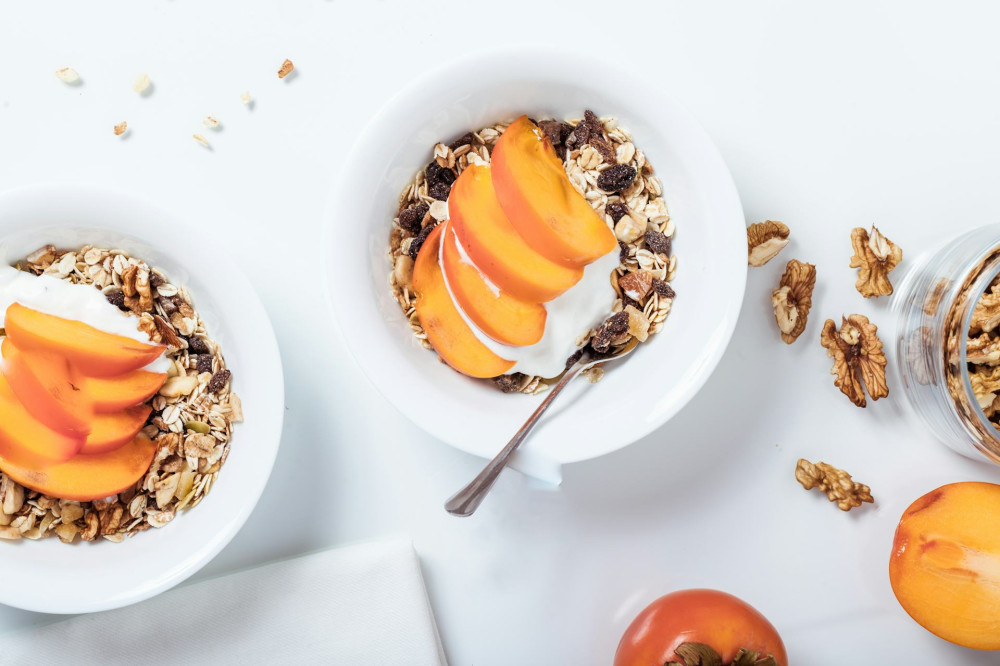
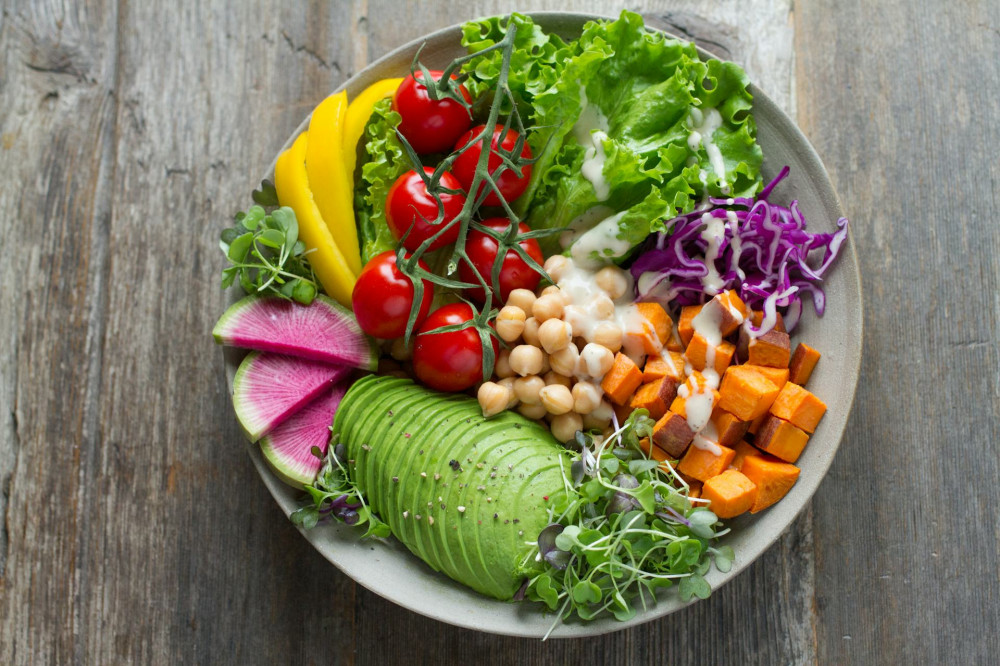
- Add more fruits and vegetables – Try including a serving of fruit with breakfast or adding an extra side of vegetables at dinner.
- Cut back on added sugars – Swap soda for sparkling water with a splash of fruit juice, or choose fruit instead of dessert a few times a week.
- Choose whole grains – Replace white bread, rice, or pasta with whole-grain versions.
Once a change feels natural, move on to the next one. This step-by-step approach helps you build lasting habits that feel manageable.
Make Healthy Choices Easy
Healthy eating becomes simpler when nutritious options are within reach. Set up your kitchen to support your goals:
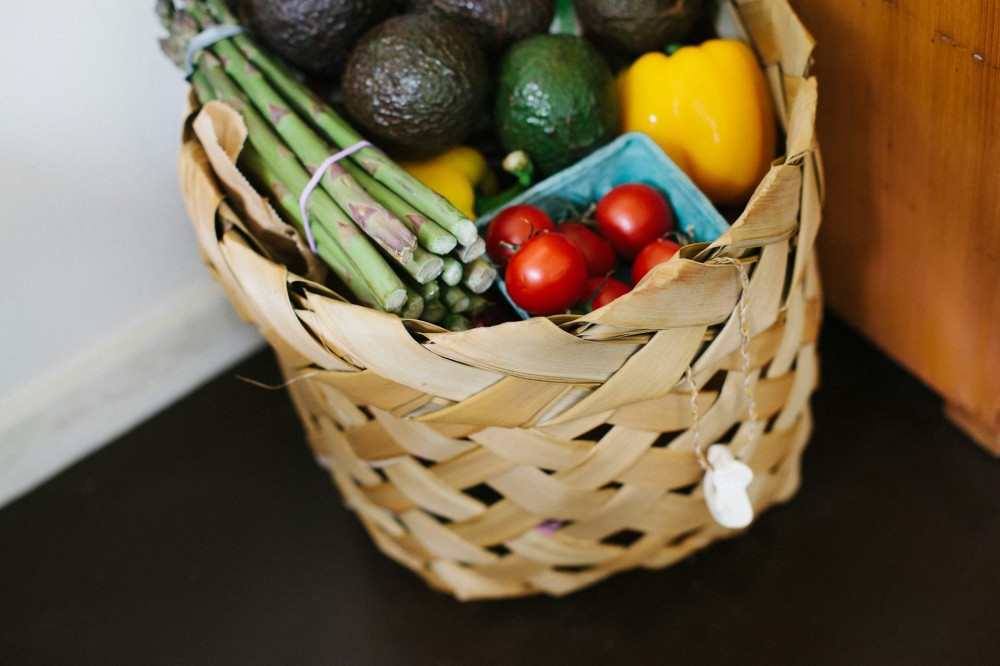
- Keep pre-cut vegetables ready for quick snacks or easy meal prep.
- Stock up on nuts, fresh fruit, and whole-grain crackers.
- Store less healthy foods out of sight or buy them in smaller quantities.
A few small adjustments to your environment can make a big difference in what you end up eating day to day.
Læs også:




Plan Your Meals
Many less healthy choices happen when hunger strikes and there’s no plan. By planning your meals a few days ahead, you can avoid impulse decisions and ensure a good balance of vegetables, whole grains, lean proteins, and healthy fats.
Try making a weekly meal plan and grocery list. It saves time, money, and helps you stay on track when shopping.
Practice Mindful Eating
Healthy eating isn’t just about what you eat—it’s also about how you eat. Slow down, notice the flavors, and stop when you feel satisfied. Paying attention to your body’s signals can help prevent overeating.
A simple trick is to put your fork down between bites or to eat without screens. Being present during meals helps you enjoy your food more and recognize when you’ve had enough.
Allow Yourself Flexibility
No one eats perfectly all the time—and that’s okay. The Dietary Guidelines focus on overall patterns, not single meals. If you enjoy a slice of cake at a birthday party or pizza on the weekend, it doesn’t mean you’ve failed. What matters most is what you do most of the time.
Allowing yourself flexibility and enjoyment makes it easier to maintain healthy habits in the long run.
Celebrate Small Wins
When you make gradual changes, the progress may seem small at first—but it counts. Maybe you’re drinking less soda, eating more vegetables, or cooking at home more often. Each of these steps moves you closer to a healthier lifestyle.
Celebrate your progress and remind yourself that lasting change takes time. It’s not about perfection—it’s about moving in the right direction.
Small Steps, Big Results
Following the Dietary Guidelines isn’t about restriction—it’s about balance. By taking one step at a time, you can find a rhythm that fits your life. Over time, those small adjustments add up to a noticeable difference in your energy, health, and overall well-being.
Læs også: