Healthy Eating with Joy: Eat Mindfully and Enjoy Your Meals Without Guilt

Healthy Eating with Joy: Eat Mindfully and Enjoy Your Meals Without Guilt
Healthy eating isn’t just about counting calories, following strict meal plans, or cutting out your favorite foods. It’s about balance, enjoyment, and connection with your body. Many people associate healthy eating with restriction, but in truth, a mindful approach to food can bring more freedom—not less. When you learn to listen to your body and enjoy your meals without guilt, healthy living becomes a natural part of your life instead of a constant struggle.
Health Is About Balance, Not Perfection
In a world full of diet trends, wellness influencers, and endless nutrition advice, it’s easy to feel overwhelmed. But health isn’t about eating perfectly—it’s about finding balance between nourishment, pleasure, and well-being.
A healthy relationship with food means you can enjoy both a salad and a slice of pizza without labeling one as “good” and the other as “bad.” Your body thrives on variety, and your mind needs flexibility. When you allow yourself to eat with joy, you reduce the risk of overeating and the guilt that often follows.
Practice Mindful Eating
Mindful eating is about being fully present while you eat. It means paying attention to the taste, smell, texture, and satisfaction of your food instead of eating on autopilot while scrolling through your phone or watching TV.
Try asking yourself a few simple questions during your meal:
- What does this food really taste like?
- Am I hungry, or am I eating out of habit or emotion?
- When does my body feel comfortably full?
When you slow down and tune in, you’ll notice that food becomes more satisfying—and you may naturally eat less without feeling deprived.
Let Go of Food Guilt
Many Americans struggle with guilt when eating foods they consider “unhealthy.” But food isn’t moral—there are no “good” or “bad” foods, only context and balance. A piece of chocolate or a scoop of ice cream can absolutely fit into a healthy lifestyle when enjoyed mindfully and in moderation.
When you stop believing that you have to “earn” your food, it becomes easier to eat intuitively. That means listening to your body’s hunger and fullness cues instead of following rigid rules. Over time, this approach can lead to steadier energy, fewer cravings, and a calmer relationship with food.
Make Mealtime an Experience
Healthy eating isn’t just about nutrients—it’s also about how you experience your meals. Set the table, light a candle, and take a moment to appreciate your food, even if you’re eating alone. Turning meals into small moments of pause can help you feel more satisfied both physically and emotionally.
If you’re eating with family or friends, focus on conversation and connection. Research shows that shared meals can strengthen relationships and improve overall happiness. That’s health in its most human form.
Find Your Own Balance
There’s no single “right” way to eat healthily. Some people feel best with three structured meals a day, while others prefer smaller, more frequent ones. Some thrive on planning, others on flexibility. The key is to find a rhythm that fits your lifestyle and feels sustainable.
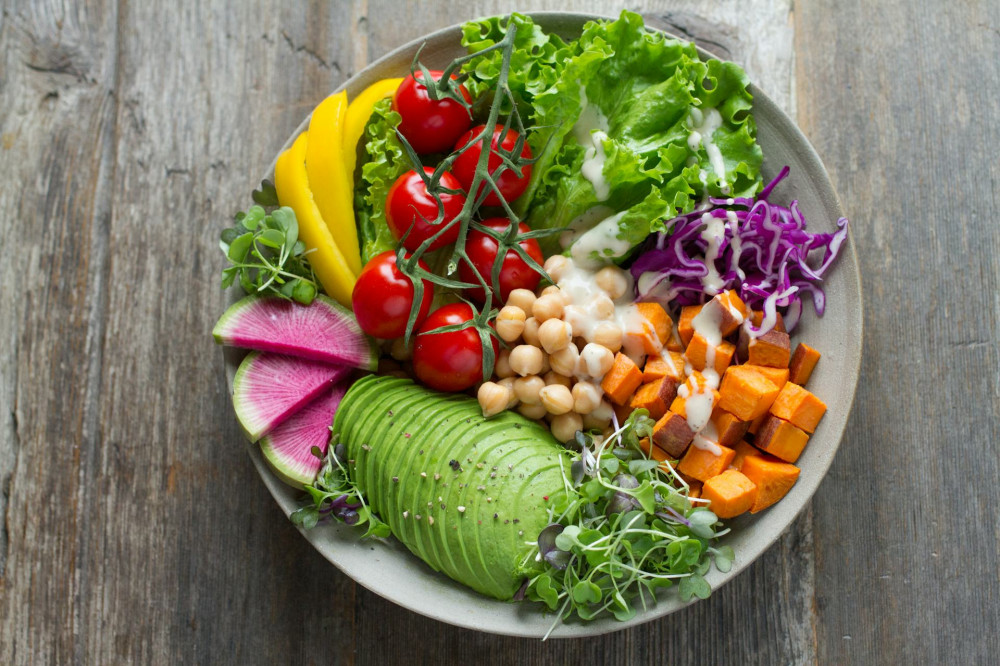
A good rule of thumb is to fill most of your plate with vegetables, whole grains, lean proteins, and healthy fats—while still leaving room for the foods that bring you joy. Health isn’t about perfection; it’s about creating a way of eating that supports your energy, mood, and enjoyment of life.
Læs også:

Healthy Eating with Joy – A Lifelong Choice
Eating mindfully and without guilt takes practice, but it’s one of the best investments you can make in your well-being. When you learn to trust your body and savor your food, healthy eating stops being a chore and becomes a natural, joyful part of your life.
So next time you sit down to eat, take a deep breath, taste your food, and remember—true health includes happiness.
Læs også: