First Tournament? How to Have a Great Experience as a New Racket Sports Player

First Tournament? How to Have a Great Experience as a New Racket Sports Player
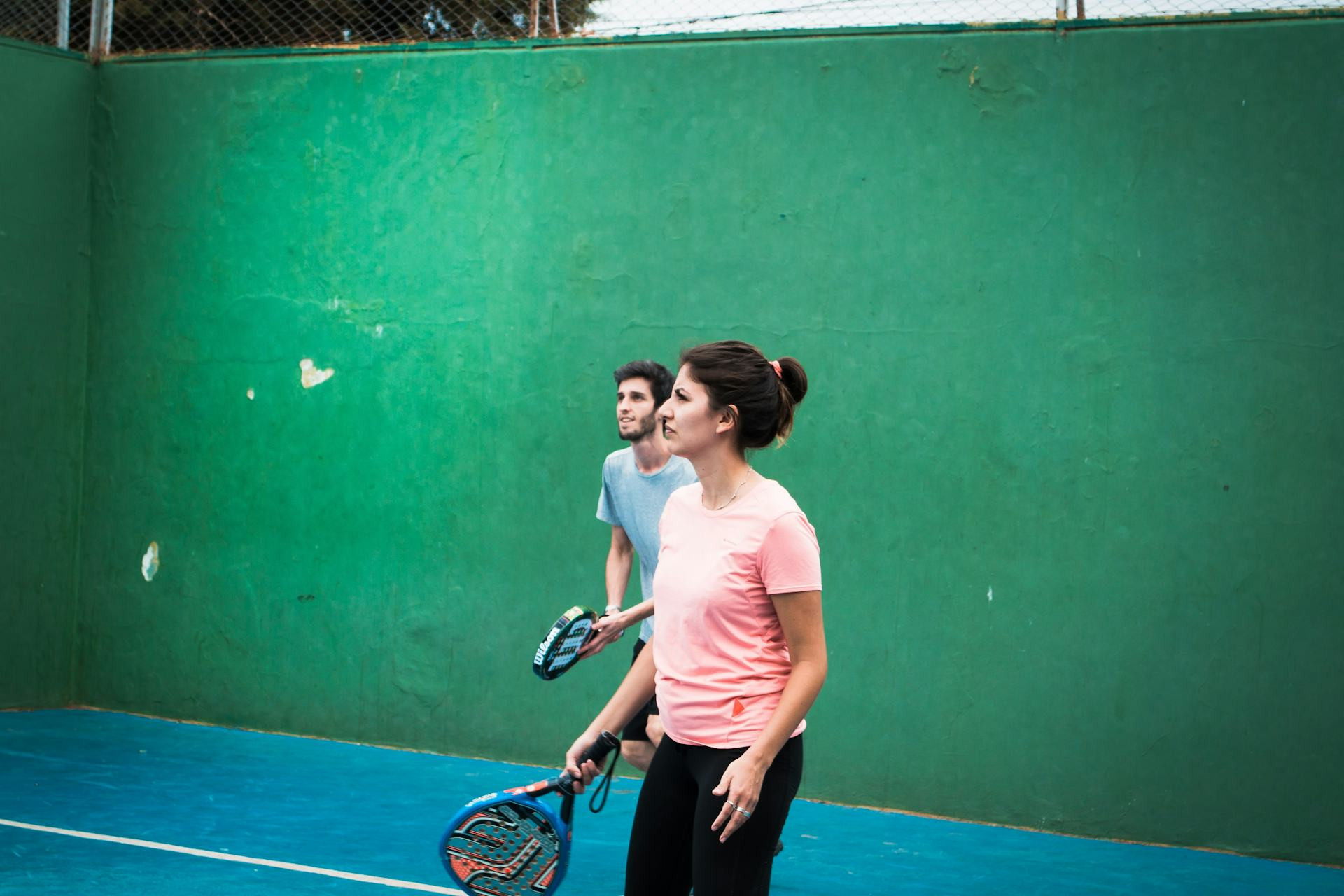
Entering your first tournament as a new racket sports player—whether it’s tennis, pickleball, badminton, or squash—can be both exciting and nerve-wracking. You’ve practiced your serves and rallies, but now it’s time to step onto the court with points on the line, an unfamiliar opponent, and maybe even a small crowd watching. It’s a big moment, and it can teach you a lot about both the game and yourself. Here’s how to make sure your first tournament is a great experience.
Preparation: Set Yourself Up for Success
A good tournament experience starts well before the first serve. Take time to understand the event format. Is it single elimination, round robin, or a mix of both? How many matches might you play, and how long will they last? Knowing what to expect helps you stay calm and organized on the day.
Pack your gear the night before. Bring your racket, court shoes, water bottle, towel, extra clothes, and a few snacks. It sounds simple, but forgetting small things—like an extra grip or a change of socks—can throw you off. Check your racket, too: make sure the strings and grip are in good condition. A well-prepared bag means one less thing to worry about.
Set Realistic Goals
It’s easy to get caught up in the competitive spirit, but as a beginner, your main goal shouldn’t be to win—it should be to learn. Set goals that focus on your own progress: keeping your focus, trying a new strategy, or staying positive throughout a match.
When you measure success by effort and improvement rather than results, you’ll enjoy the experience more. Even if you lose, you’ll walk away with valuable lessons and motivation to keep improving.
On the Day: Find Your Rhythm and Enjoy the Atmosphere
Tournament days can be long, with breaks between matches. Use that time wisely: warm up, stretch, and watch other players. Observing how others move, serve, and handle pressure can teach you a lot.
When it’s your turn to play, take a deep breath before stepping onto the court. It’s completely normal to feel nervous—it means you care. Try to focus on the ball and your game plan instead of the score or the spectators. The more you stay present, the better you’ll play.
Managing Nerves and Mistakes
Everyone makes mistakes, even experienced players. What matters is how you respond. Instead of getting frustrated, treat mistakes as feedback. Ask yourself what went wrong and what you can adjust next time. Staying calm helps you make smarter decisions and keeps your energy steady.
If nerves start to take over, use small routines to reset: wipe your hands, take a few steps back, or breathe deeply. These simple actions can help you regain focus and confidence.
Learn from Every Match
After each match—win or lose—take a moment to reflect. What went well? What could you improve? If possible, ask your opponent or a coach for feedback. Others often notice things you might miss. Write down a few notes to work on in your next practice.
Watching other players at your level or slightly above can also be incredibly helpful. Pay attention to their footwork, shot selection, and how they handle tough points. Learning by observation is one of the fastest ways to grow.
Læs også:
Enjoy the Community
A tournament isn’t just about competition—it’s also about connection. Use breaks to chat with other players, share experiences, and cheer for your new friends. Many local clubs and community centers in the U.S. emphasize the social side of racket sports, and you’ll find that most players are welcoming and supportive.
Being part of that community can make the experience even more rewarding. You’ll meet people who share your enthusiasm and who remember exactly what it felt like to be new.
After the Tournament: Give Yourself Credit
When the tournament is over, take a moment to appreciate what you’ve accomplished. It takes courage to sign up and compete, and no matter how the matches went, you’ve taken an important step in your journey as a player. Reflect on what you learned, celebrate your effort, and set a new goal for next time.
Your first tournament isn’t just a test of skill—it’s a chance to discover the joy of competition and the spirit of the sport. With the right mindset, it can be an experience you’ll look back on with pride and excitement for what’s next.
Læs også: