Stay in Shape Between Ski Seasons – How to Avoid Starting from Scratch

Stay in Shape Between Ski Seasons – How to Avoid Starting from Scratch
When the snow melts and the skis go back into storage, it’s tempting to take a long break from training. But if you want to hit the slopes strong next winter, it pays to keep your body active year-round. Skiing demands strength, balance, and endurance — and you can maintain all of these even without snow under your feet. Here’s how to stay in shape between ski seasons so you don’t have to start from scratch.
Understand What Skiing Demands from Your Body
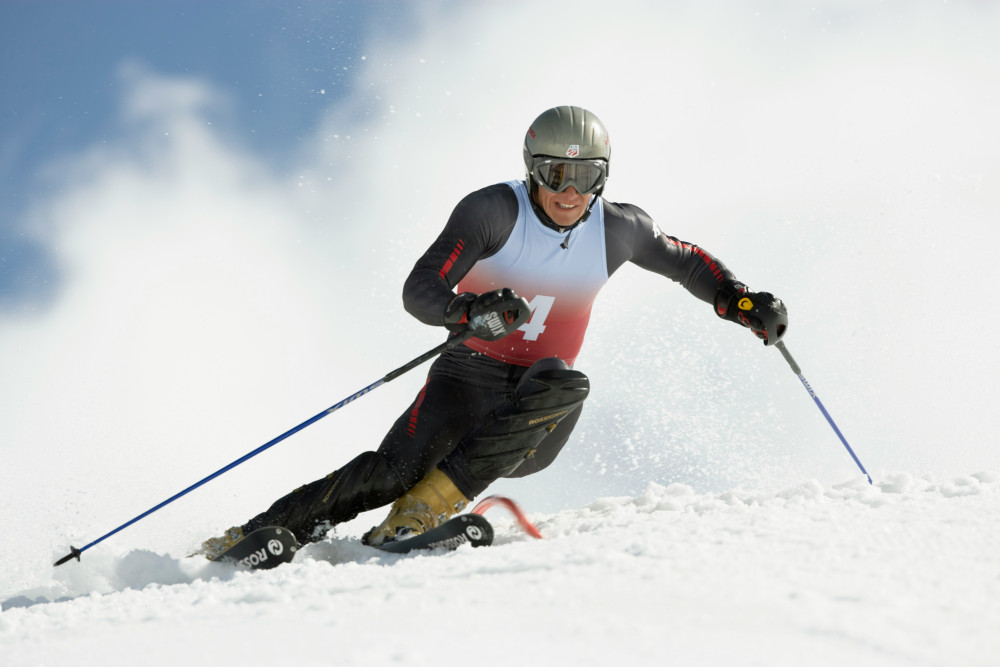
Skiing is a full-body workout, but your legs, core, and balance are the real powerhouses. Your quads, hamstrings, glutes, and calves work constantly to stabilize you, while your core keeps your upper body in control. Skiing also requires both explosive power and stamina — you need to react quickly and stay strong for long days on the mountain.
Knowing what your body needs makes it easier to plan your off-season training and keep those key muscles ready for winter.
Strength Training – The Foundation of a Strong Skier
Strength training is the most effective way to maintain and build the muscles you rely on for skiing. You don’t need a fancy gym setup — many exercises can be done at home or outdoors.
Focus on functional movements that mimic skiing patterns:
- Squats and lunges – build leg and glute strength while improving hip and knee stability.
- Step-ups – train each leg individually and challenge your balance.
- Planks and side planks – develop a strong core for better control on the slopes.
- Wall sits – a classic ski exercise that builds leg endurance.
Aim for 2–3 strength sessions per week, alternating between heavier, low-rep workouts and lighter, high-rep endurance sessions. This keeps your muscles ready for the demands of skiing.
Cardio and Endurance – Keep Your Heart Rate Up
Even though skiing often happens in short bursts, it requires a solid aerobic base. Good cardiovascular fitness helps you recover faster and stay energized through long ski days.
Choose activities that mirror skiing’s intensity and movement patterns:
- Cycling – low-impact, great for leg strength and endurance.
- Trail running or hill sprints – build both stamina and leg power.
- Roller skiing or inline skating – the closest off-season match to skiing.
- Interval training – short, intense bursts followed by rest, mimicking the rhythm of skiing.
Mix longer, steady sessions with shorter, high-intensity workouts for the best results.
Balance and Flexibility – The Overlooked Essentials
Strong legs alone won’t make you a great skier. Balance and flexibility are what help you stay in control and avoid falls on the slopes.
Incorporate these into your weekly routine:
- Balance training on a cushion or BOSU ball – strengthens stabilizing muscles around your ankles and knees.
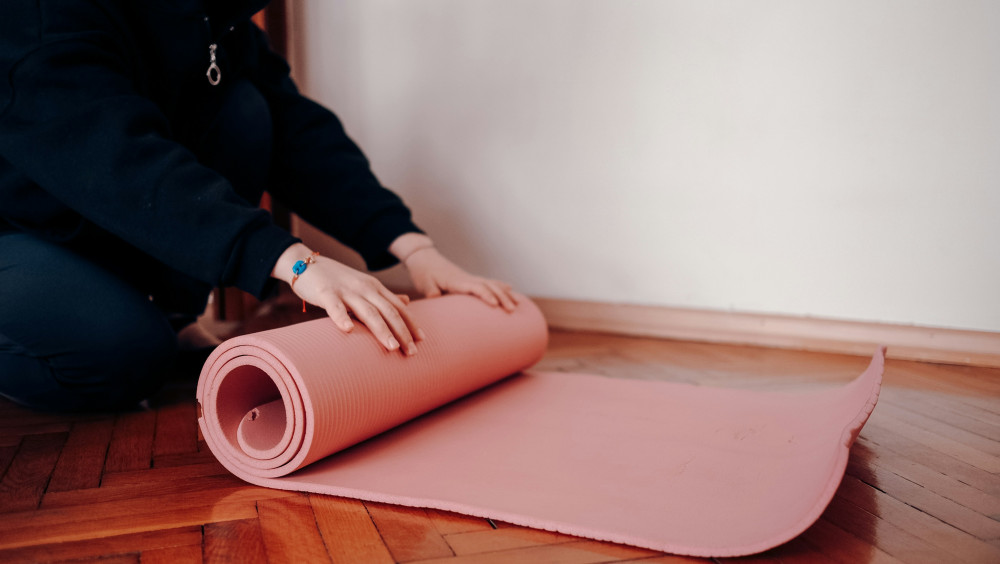
- Yoga or Pilates – improves flexibility, posture, and body awareness.
- Single-leg exercises – try brushing your teeth on one leg or doing light squats without support.
Flexibility training also reduces your risk of injury and helps you move more freely in ski boots.
Mental Preparation and Motivation
Staying motivated when winter feels far away can be tough. Setting a clear goal helps. Plan your next ski trip early and use it as motivation to keep training.
You can also mix things up with new activities — mountain biking, hiking, or rock climbing all build strength and endurance while keeping things fun. The key is to stay active and enjoy movement year-round.
As Winter Approaches
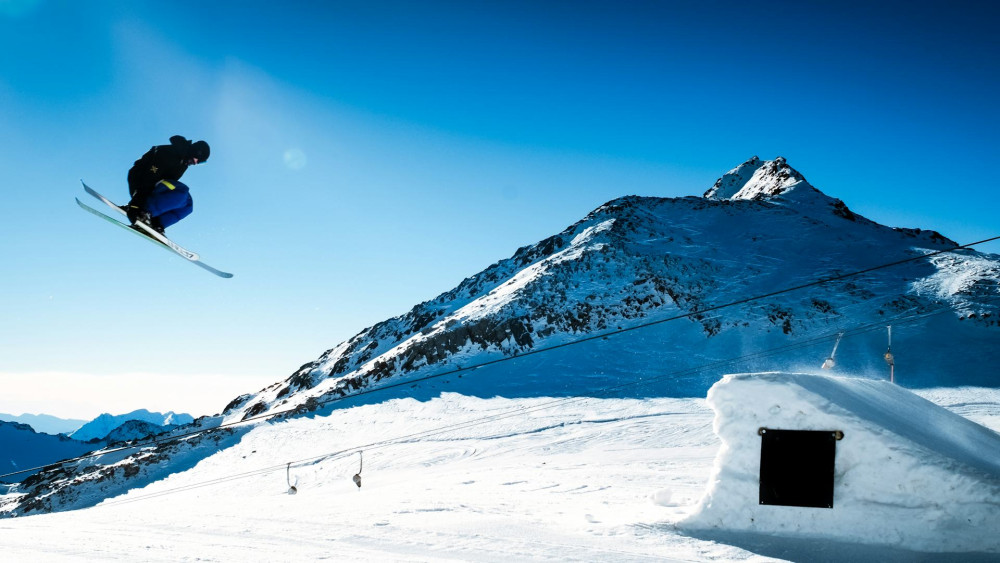
A couple of months before ski season, ramp up the intensity. Add explosive exercises like jumps, sprints, and plyometric drills to prepare your body for skiing’s quick, powerful movements. This transition phase helps you feel strong and stable from your very first run.
Læs også:
An Active Off-Season Makes for a Better Winter
Staying in shape between ski seasons isn’t about training like a pro — it’s about maintaining enough strength, balance, and endurance to enjoy skiing from day one. With a bit of planning and variety, you can skip the “first-day soreness” and focus on what really matters: the snow, the speed, and the freedom of the mountain.
Læs også: