Kickboxing for Beginners: Build Balance, Timing, and Control from the Ground Up

Discover how to master the fundamentals of kickboxing and build strength, coordination, and confidence from day one
Match
Match
5 min
Step into the world of kickboxing with a focus on balance, timing, and control. This beginner’s guide helps you develop proper technique, improve fitness, and cultivate the mindset of a true kickboxer—laying the groundwork for safe and effective training.
Lucas Young
Lucas
Young

Kickboxing for Beginners: Build Balance, Timing, and Control from the Ground Up

Discover how to master the fundamentals of kickboxing and build strength, coordination, and confidence from day one
Match
Match
5 min
Step into the world of kickboxing with a focus on balance, timing, and control. This beginner’s guide helps you develop proper technique, improve fitness, and cultivate the mindset of a true kickboxer—laying the groundwork for safe and effective training.
Lucas Young
Lucas
Young

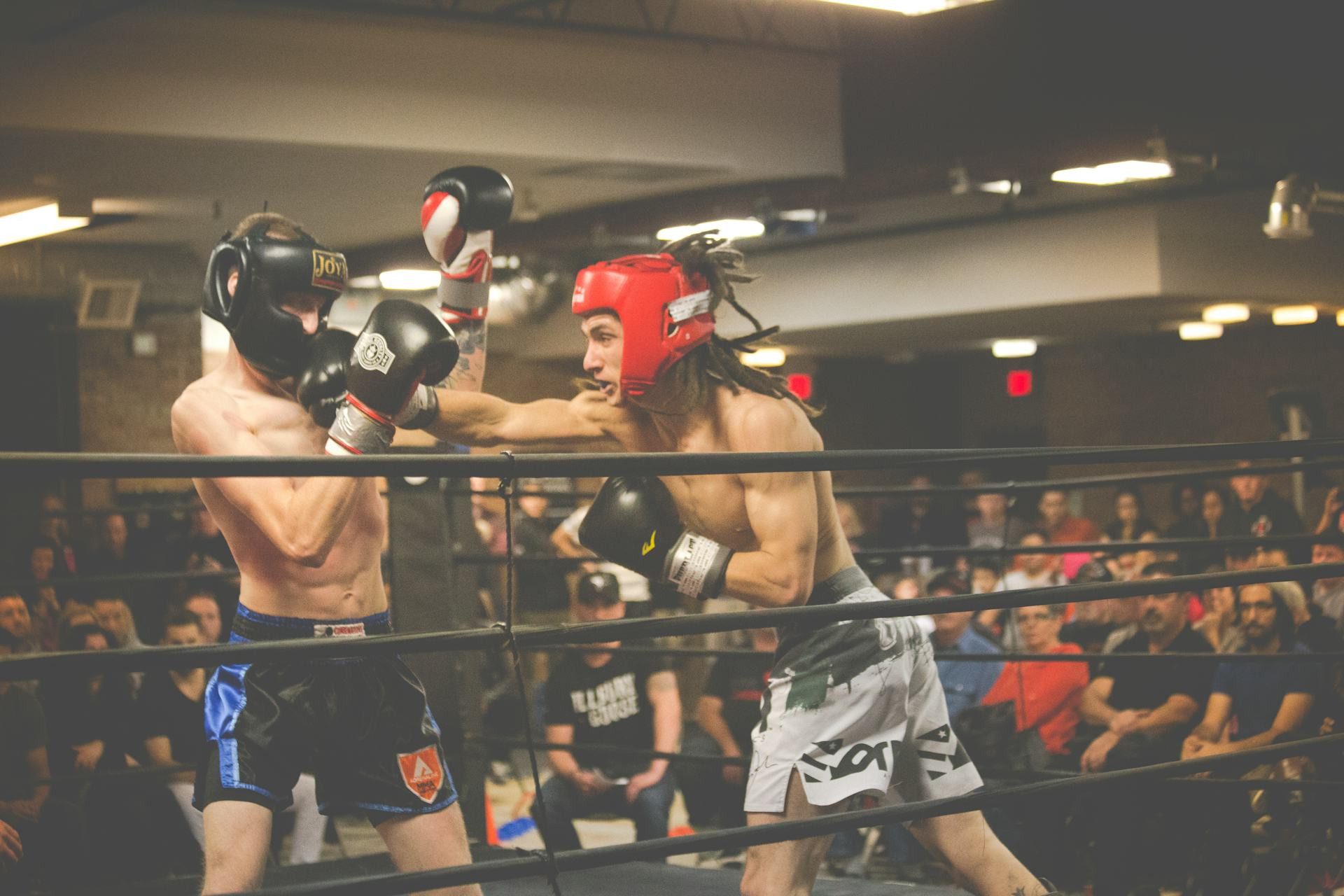
Kickboxing is a dynamic and versatile martial art that blends punches, kicks, and movement into a workout that challenges both body and mind. For beginners, it’s not about hitting hard—it’s about learning to move correctly, with balance, timing, and control. Whether you’re training for fitness, self-defense, or competition, the key is to build a strong foundation from the ground up.

Getting Started – Understand the Basics

Kickboxing combines the hand techniques of boxing with the kicks of martial arts like karate or Muay Thai. That means you’ll need to learn how to use your entire body as one coordinated system. The three most important fundamentals are:

  • Stance – your base. A stable yet flexible position that allows you to move freely and react quickly.
  • Weight distribution – keep your weight evenly balanced between your feet so you can shift direction without losing control.
  • Guard position – hands protect your face, elbows protect your body, and shoulders help absorb impact.

These may sound simple, but even experienced fighters spend years refining them. A solid stance is the foundation for everything else.

Learn to Move – Footwork Before Power

Before focusing on punches and kicks, master your footwork. This is where your balance and timing develop. Move lightly on your feet, practicing how to glide forward, backward, and side to side without crossing your legs.

Good footwork doesn’t just make you faster—it makes you harder to hit. Think of it like dancing: rhythm, control, and flow. Once you can move freely, your strikes will become more precise and natural.

Punches and Kicks – Build Technique Step by Step

Once you’re comfortable with your stance and movement, start working on the basic techniques:

  • Jab and cross – the two fundamental punches that form the base of most combinations.
  • Hook and uppercut – shorter, more powerful punches that rely on hip and shoulder rotation.
  • Front kick and roundhouse kick – the most common kicks, great for building strength and flexibility.

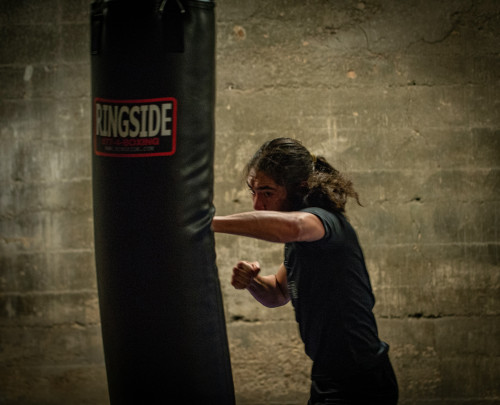
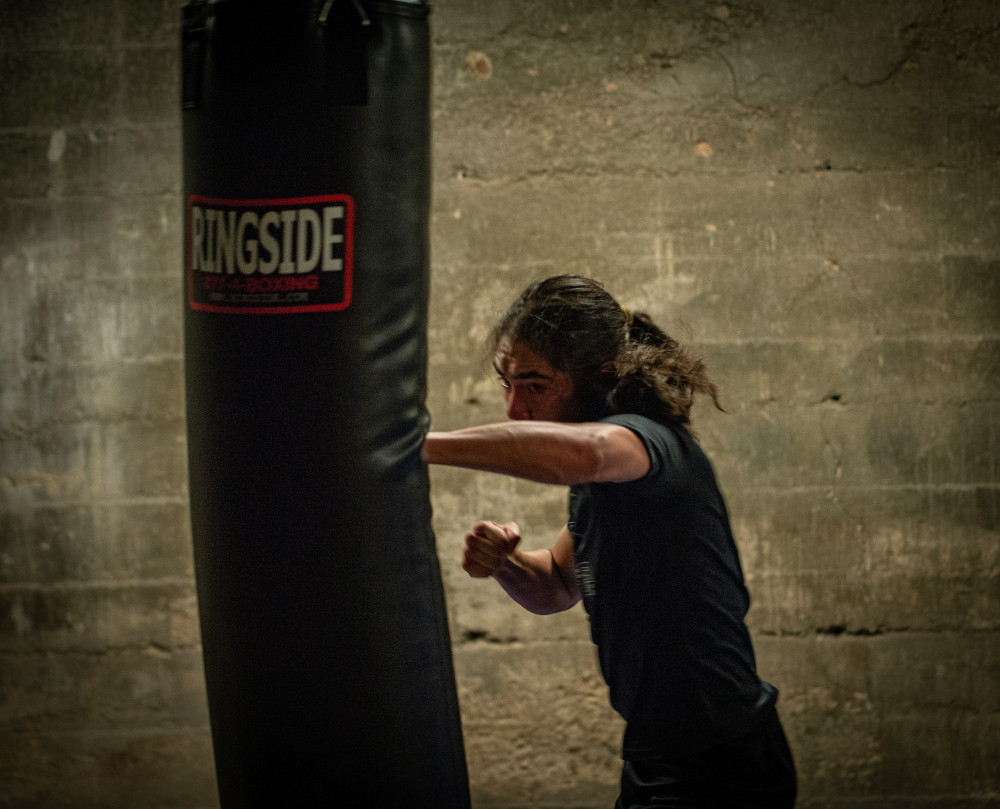
Start slow and focus on accuracy rather than power. Use shadowboxing or mirror training to refine your movements, then move on to heavy bags or focus pads to feel resistance and improve control.

Train Timing and Control – Not Just Strength

Many beginners think kickboxing is all about hitting hard. In reality, it’s about timing and control. A well-placed strike at the right moment is far more effective than a powerful but sloppy one.

You can train timing with simple partner drills: learn to read movements, react to cues, and stay calm under pressure. This builds your reflexes and your ability to stay composed—skills that are just as important as physical strength.

Conditioning and Flexibility – The Foundation of Your Body

Kickboxing is a full-body workout that demands endurance and flexibility. Support your technical training with:

  • Cardio training – running, jump rope, or interval workouts to build explosive energy.
  • Strength training – especially for your core and legs, which provide stability for kicks and movement.
  • Stretching – to prevent injuries and improve your kicking range.

A strong, flexible body moves more efficiently and is less prone to strain or fatigue.

Mental Focus – Think Like a Kickboxer

Kickboxing is as much a mental discipline as a physical one. You’ll learn to stay focused, manage nerves, and remain calm even when your heart rate spikes. Many people find that training builds confidence and inner strength that carry over into everyday life.

Set small goals for each session—like improving your balance or executing a combination more smoothly. This keeps you motivated and helps you see your progress over time.

Find the Right Training Environment

As a beginner, it’s important to find a gym or studio where you feel comfortable and supported. Many gyms in the U.S. offer beginner-friendly kickboxing classes that focus on technique and safety. Don’t hesitate to ask for a trial class before signing up.

A good training environment isn’t just about skilled coaches—it’s about community. Training with others helps you learn faster, stay accountable, and have more fun along the way.

From Beginner to Balanced

Learning kickboxing isn’t about being the toughest person in the room—it’s about finding balance between body and mind. With patience, consistent practice, and attention to technique, you’ll gradually develop better control, coordination, and confidence.

Whether your goal is fitness, self-defense, or competition, the journey is the same: step by step, punch by punch—toward better balance, timing, and control.

Ten mistakes you must avoid as a new athlete
As a newbie to sports, it can be easy to make mistakes, but you can avoid them. This e-book gives you insight into common pitfalls and how you can train smarter and injury-free.
Download the e-book
Punching bags – understand differences in weight, length and material
Find the right punching bag for your training level and goals
Match
Match
Punching bag
Martial arts
Training equipment
Boxing training
Muay Thai
6 min
Get control of weight, length and material when choosing a punching bag. The article guides you through the most important considerations, types and brands, so you can find the bag that best suits your training.
Christopher Roberts
Christopher
Roberts
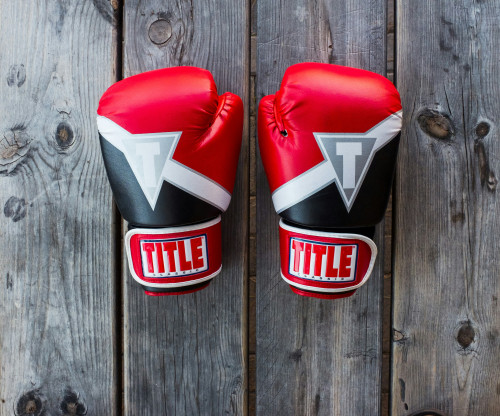
Boxing gloves – help choosing the right model
Find the perfect balance between comfort, protection and performance
Match
Match
Boxing gloves
Martial arts
Training equipment
Boxing
Equipment guide
6 min
Find the boxing gloves that best suit your training. The article guides you through types, materials and brands, so you can choose the model that provides optimal comfort, support and protection.
Elijah Scott
Elijah
Scott
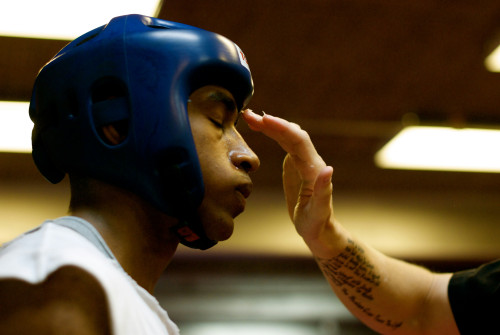
Get an insight into different boxing helmets and their features
Protect your head and optimise your training with the right boxing helmet
Match
Match
Boxing helmet
Martial arts
Boxing
Equipment
Training
5 min
A boxing helmet protects you during training and matches. In this article, you’ll get an overview of different types, features and brands, so you can choose the helmet that best suits your level and needs.
Giovanni King
Giovanni
King
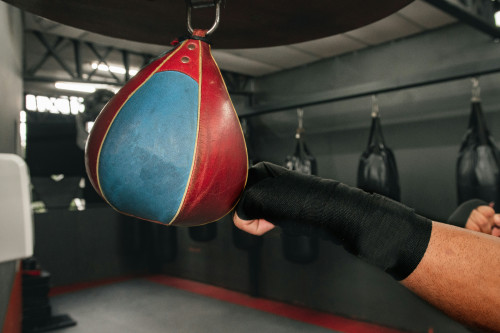
Punching balls from several brands – compare the options
Find the right punching ball for your training and your level
Match
Match
Punching ball
Martial arts
Training equipment
Boxing
Reaction training
3 min
Punching balls are effective tools for improving timing, precision and coordination. In this article, you get an overview of different types, brands and important considerations, so that you can find the punching ball that best suits your training.
Ivy Davis
Ivy
Davis
Kickboxing for Beginners: Build Balance, Timing, and Control from the Ground Up
Discover how to master the fundamentals of kickboxing and build strength, coordination, and confidence from day one
Match
Match
Kickboxing
Martial Arts
Fitness Training
Beginner Guide
Self-Defense
5 min
Step into the world of kickboxing with a focus on balance, timing, and control. This beginner’s guide helps you develop proper technique, improve fitness, and cultivate the mindset of a true kickboxer—laying the groundwork for safe and effective training.
Lucas Young
Lucas
Young
Different yoga mats explained in a simple way
Find the yoga mat that best suits your practice and your needs
Wellbeing
Wellbeing
Yoga
Yoga mat
Training equipment
Well-being
Buying guide
3 min
Get a clear understanding of the difference between yoga mats, and find the type that suits your practice. The article guides you through materials, thicknesses and brands, so you can choose the mat that provides the best support and grip.
Christopher Roberts
Christopher
Roberts
Different types of shuttlecocks – nylon, feather and hybrid
Find the shuttlecock that best suits your game and level
Wellbeing
Wellbeing
Badminton
Equipment
Training
Sport
Buying guide
5 min
Shuttlecocks come in many varieties – from durable nylon shuttles to precise feather shuttles and versatile hybrid models. Get an overview of the differences, and find the type of shuttlecock that best suits your game and level.
Elijah Scott
Elijah
Scott
Table tennis bats – compare models from different manufacturers
Find the bat that suits your playing style and improves your game
Wellbeing
Wellbeing
Table tennis
Training equipment
Sport
Equipment guide
Men’s box
5 min
A good table tennis bat can significantly improve your game. Get an overview of different types, materials and manufacturers and find the bat that best suits your playing style – whether you play for fun or in competition.
Giovanni King
Giovanni
King
Gymnastic rings – see the many types and designs
Train strength, balance and flexibility with a simple and versatile tool
Wellbeing
Wellbeing
Gymnastic rings
Training
Home training
Strength training
Fitness equipment
2 min
Gymnastic rings provide effective strength and stability training with minimal space. In the article, you get an overview of materials, types and brands, so you can find the gymnastic rings that best suit your training and level.
Ivy Davis
Ivy
Davis