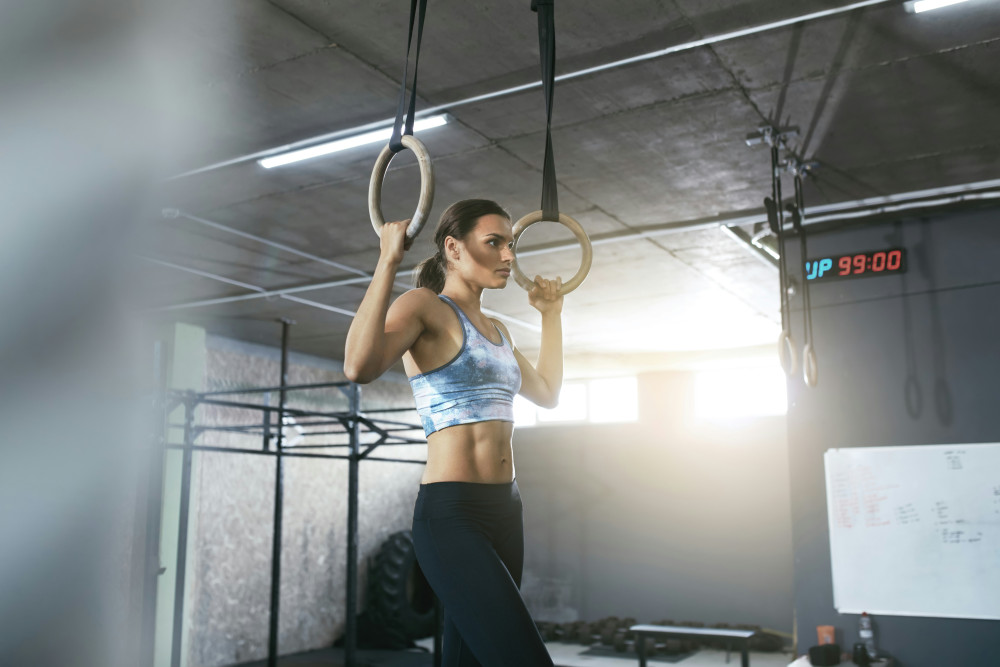
Active and Healthy as You Age – How to Adapt Your Lifestyle to Your Body’s Changes


Stay strong, flexible, and full of energy by adapting your habits to your body’s natural changes
Health
Health
6 min
Aging doesn’t have to slow you down. Learn how to adjust your exercise, nutrition, and daily routines to support your body’s evolving needs and maintain an active, healthy lifestyle at every age.
Christopher Roberts
Christopher
Roberts

Active and Healthy as You Age – How to Adapt Your Lifestyle to Your Body’s Changes

Stay strong, flexible, and full of energy by adapting your habits to your body’s natural changes
Health
Health
6 min
Aging doesn’t have to slow you down. Learn how to adjust your exercise, nutrition, and daily routines to support your body’s evolving needs and maintain an active, healthy lifestyle at every age.
Christopher Roberts
Christopher
Roberts

Getting older doesn’t mean giving up an active, fulfilling life – it simply means learning to adapt to your body’s natural changes. As we age, muscles, joints, and metabolism evolve, influencing energy levels, recovery, and nutritional needs. With the right adjustments, you can maintain strength, flexibility, and vitality well into your later years. Here’s how to adapt your lifestyle to stay active and healthy at every stage of life.

Understanding Your Body’s Changes

Starting around your 40s, your body gradually begins to lose muscle mass and bone density. Metabolism slows down, making it easier to gain weight even if your eating habits haven’t changed. Joints and tendons may become less flexible, and recovery after physical activity can take longer.

These are natural processes, but they call for a smarter approach to exercise, nutrition, and rest. The goal isn’t to push your body as you did in your twenties, but to strengthen and support it in ways that fit your current needs.

Exercise: Train Smart, Not Just Hard

Regular physical activity is one of the most effective ways to slow the physical effects of aging. The key is to choose exercises that build strength and endurance while being gentle on your joints.

  • Strength training helps preserve muscle mass and bone strength. Two to three sessions per week using weights, resistance bands, or bodyweight exercises can make a big difference.
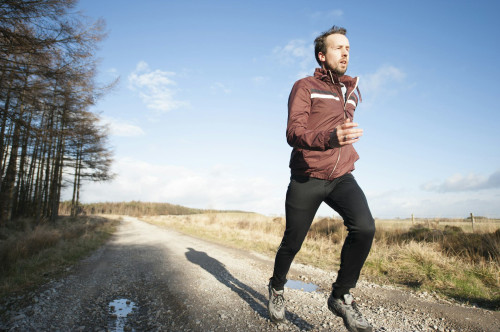
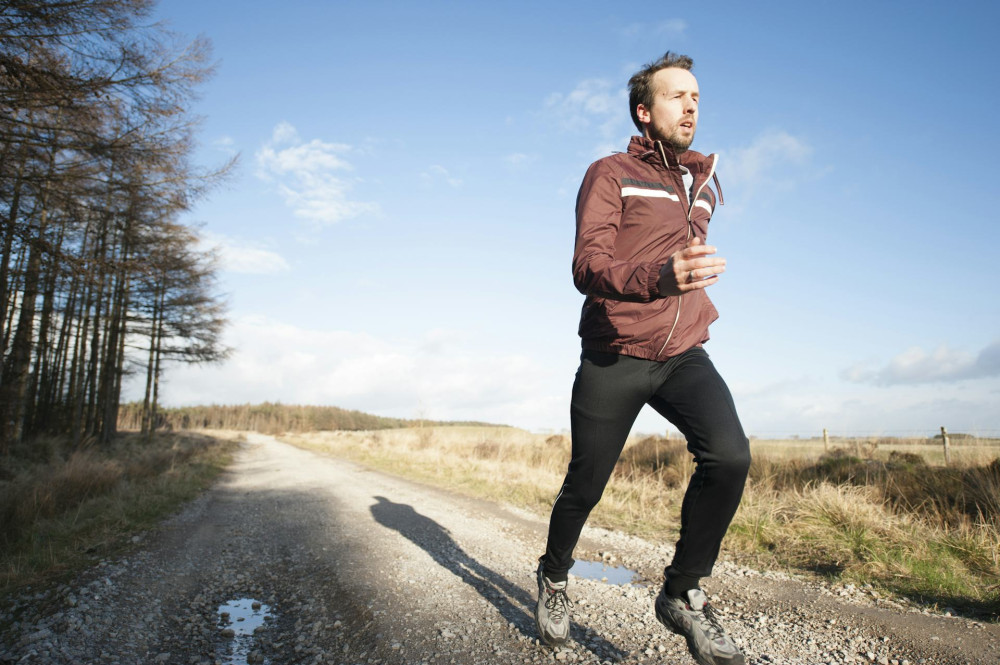
  • Cardio workouts such as brisk walking, swimming, cycling, or dancing support heart health without excessive strain.
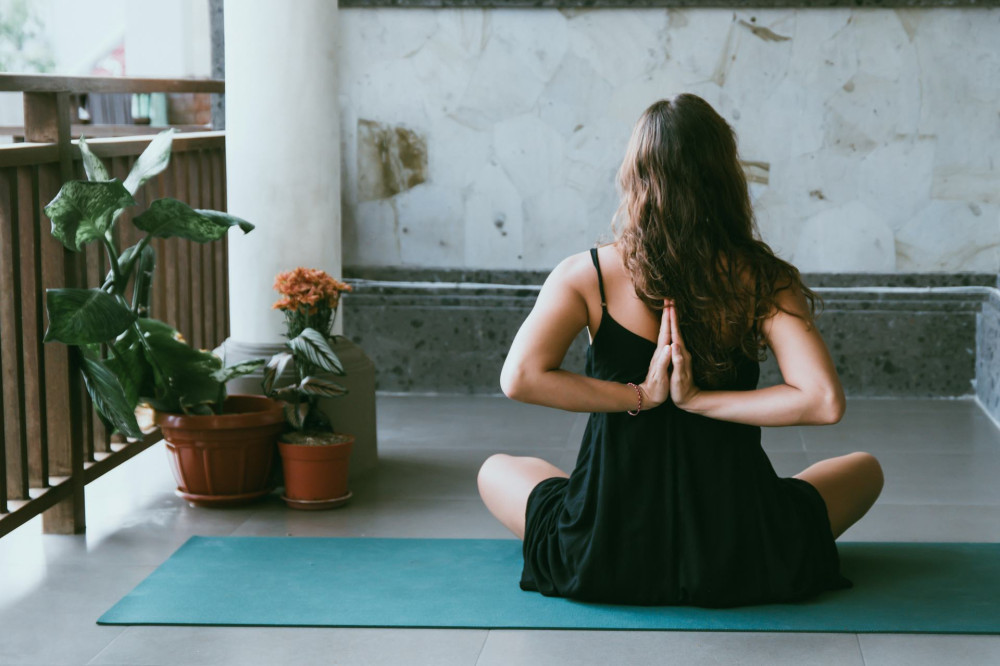
  • Balance and flexibility training – yoga, tai chi, or Pilates – can improve coordination and reduce the risk of falls.
  • Rest and recovery are essential. Schedule rest days and pay attention to your body’s signals. Pain is a sign to ease up or modify your routine.

The most important thing is consistency. Find activities you enjoy – whether it’s gardening, hiking, or group fitness – and make them part of your weekly rhythm. Regular movement matters more than intensity.

Nutrition: Fuel Your Body for the Long Run

As you age, your body may need fewer calories but more nutrients to stay strong and resilient. A balanced diet supports muscle maintenance, bone health, and energy levels.

  • Protein is vital for maintaining muscle mass. Include protein at every meal – from fish, eggs, beans, lean meats, or dairy.
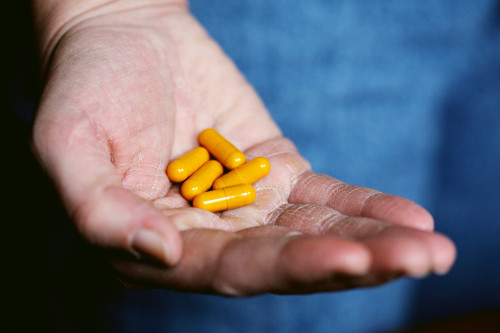
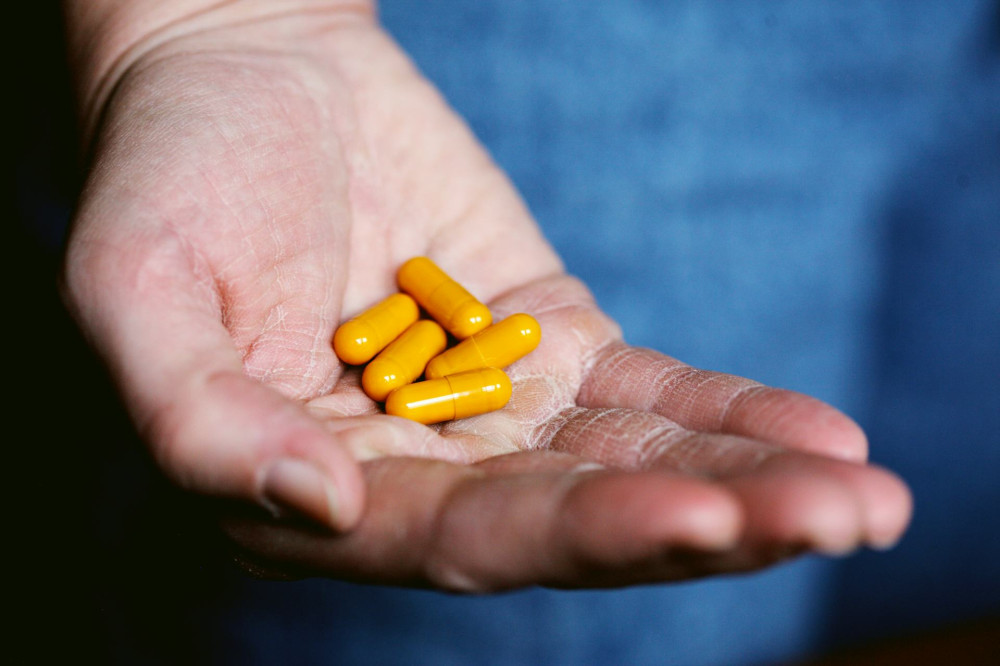
  • Calcium and vitamin D are crucial for bone health. Many older adults in the U.S. benefit from fortified foods or supplements, especially during winter months when sunlight exposure is limited.
  • Fiber-rich foods like vegetables, fruits, and whole grains aid digestion and help regulate blood sugar.
  • Hydration is often overlooked. As we age, the sense of thirst diminishes, so make a habit of drinking water throughout the day.

Avoid extreme diets or quick fixes. A varied, balanced eating pattern – such as the Mediterranean or DASH diet – is a sustainable way to support long-term health.

Sleep and Recovery: Your Body’s Natural Reset

Quality sleep is essential for both physical and mental well-being. Many older adults find that sleep becomes lighter or more fragmented, but good sleep habits can make a big difference.

Try to go to bed and wake up at consistent times, limit screen use before bedtime, and keep your bedroom cool and quiet. Gentle exercise during the day and a calming evening routine can also improve sleep quality. Avoid relying on caffeine or alcohol to manage fatigue – both can disrupt your sleep cycle.

Mental Health and Social Connection

Staying active isn’t just about physical movement – it’s also about keeping your mind and social life engaged. Strong relationships, curiosity, and mental stimulation are key to healthy aging.

  • Join community groups, volunteer, or take part in local classes.
  • Learn something new – a language, a musical instrument, or a craft.
  • Spend time with family and friends, whether in person or virtually.

Research shows that people with strong social ties live longer and have lower risks of depression and cognitive decline. Staying connected is one of the most powerful ways to support your overall health.

Listen to Your Body and Adjust Along the Way

Healthy aging isn’t about resisting change – it’s about working with it. Pay attention to how your body feels and be willing to adjust your habits as needed. Maybe it’s time to swap running for water aerobics, or to add more rest days between workouts.

The goal is to keep movement and well-being a joyful part of your life. An active lifestyle isn’t just about longevity – it’s about living fully, with energy and purpose, at every age.

Ten mistakes you must avoid as a new athlete
As a newbie to sports, it can be easy to make mistakes, but you can avoid them. This e-book gives you insight into common pitfalls and how you can train smarter and injury-free.
Download the e-book
Active and Healthy as You Age – How to Adapt Your Lifestyle to Your Body’s Changes
Stay strong, flexible, and full of energy by adapting your habits to your body’s natural changes
Health
Health
Healthy Aging
Fitness
Nutrition
Wellness
Lifestyle
6 min
Aging doesn’t have to slow you down. Learn how to adjust your exercise, nutrition, and daily routines to support your body’s evolving needs and maintain an active, healthy lifestyle at every age.
Christopher Roberts
Christopher
Roberts
Supplements and Absorption: Why They Affect Each Body Differently
Discover why supplements don’t work the same for everyone
Health
Health
Supplements
Nutrition
Health
Wellness
Body Chemistry
4 min
From vitamins to protein powders, supplements promise better health—but results can differ from person to person. Learn how factors like diet, genetics, and lifestyle influence absorption and effectiveness, and how to make your supplements work best for you.
Elijah Scott
Elijah
Scott
Warm-Ups That Prevent Injuries – How to Adapt Them to Your Workout
Learn how to tailor your warm-up routine to boost performance and stay injury-free
Health
Health
Fitness
Injury Prevention
Exercise
Training Tips
Health
5 min
A well-designed warm-up can make all the difference in your training results. Discover how to adapt your warm-up to your specific workout, avoid common mistakes, and prepare your body for peak performance every time you exercise.
Giovanni King
Giovanni
King
Create a Sleep Routine That Boosts Both Your Body and Performance
Build lasting energy and focus by mastering your nightly routine
Health
Health
Sleep
Health
Wellness
Performance
Lifestyle
6 min
Discover how a consistent sleep schedule can transform your health, sharpen your mind, and elevate your daily performance. Learn practical steps to align your body’s natural rhythm, create a restful environment, and make sleep a true priority.
Ivy Davis
Ivy
Davis
Yoga for Calm and Presence – Move with Focus on Your Breath
Discover how mindful movement and conscious breathing can bring calm and clarity to your daily life
Health
Health
Yoga
Mindfulness
Wellbeing
Stress Relief
Breathwork
6 min
Explore how yoga can help you slow down, reconnect with your body, and cultivate presence through focused breathing. Learn to move with awareness and find balance between effort and ease in every pose.
Lucas Young
Lucas
Young
Different yoga mats explained in a simple way
Find the yoga mat that best suits your practice and your needs
Wellbeing
Wellbeing
Yoga
Yoga mat
Training equipment
Well-being
Buying guide
3 min
Get a clear understanding of the difference between yoga mats, and find the type that suits your practice. The article guides you through materials, thicknesses and brands, so you can choose the mat that provides the best support and grip.
Christopher Roberts
Christopher
Roberts
Different types of shuttlecocks – nylon, feather and hybrid
Find the shuttlecock that best suits your game and level
Wellbeing
Wellbeing
Badminton
Equipment
Training
Sport
Buying guide
5 min
Shuttlecocks come in many varieties – from durable nylon shuttles to precise feather shuttles and versatile hybrid models. Get an overview of the differences, and find the type of shuttlecock that best suits your game and level.
Elijah Scott
Elijah
Scott
Table tennis bats – compare models from different manufacturers
Find the bat that suits your playing style and improves your game
Wellbeing
Wellbeing
Table tennis
Training equipment
Sport
Equipment guide
Men’s box
5 min
A good table tennis bat can significantly improve your game. Get an overview of different types, materials and manufacturers and find the bat that best suits your playing style – whether you play for fun or in competition.
Giovanni King
Giovanni
King
Gymnastic rings – see the many types and designs
Train strength, balance and flexibility with a simple and versatile tool
Wellbeing
Wellbeing
Gymnastic rings
Training
Home training
Strength training
Fitness equipment
2 min
Gymnastic rings provide effective strength and stability training with minimal space. In the article, you get an overview of materials, types and brands, so you can find the gymnastic rings that best suit your training and level.
Ivy Davis
Ivy
Davis